- Insights This article was written by a TIA community member. Insights pieces undergo the same rigorous editorial process that newsroom-produced articles have.
 Syed Sadaf Sultan · · 5 min read
In startup finance, fintech is in, but banks aren’t out
If running a startup is like playing a video game, then “game over” happens when the company runs out of cash. Founders often focus on battling the big, visible monsters like the competition beast, the market-size dragon, or the marketing ghoul.
But too often, they miss the silent killer: financial mismanagement. According to recent studies, 16% of startups fail due to cash flow problems and other financial management issues.

Image credit: Timmy Loen
So, how can a founder bring order to the chaos of spending and scaling? One way, I argue, is by leveraging the financial services that fintech platforms offer.
Where traditional banks fall short
For some startup founders, traditional banks can be rigid and don’t always fulfill their needs. Critics cite lengthy onboarding processes, clunky user interfaces, and manual workflows as downsides.
I believe for startups, this is more than just frustrating – it’s a growth killer. Instead of focusing on scaling their business, founders are stuck dealing with slow processes and outdated systems.
See also: Indonesia’s banks are taking over BNPL. Can fintech firms survive?
Fintech platforms like Aspire, Airwallex, and Brex, which provide financial tools for startups, could be one solution. These players are typically built to be faster, more automated, and more flexible, which can better meet the demands of startups.
Still, there are drawbacks, and making the most of the features these firms offer can be confusing.
Notes of caution
While fintech platforms provide incredible tools to manage spending and streamline operations, concerns about their maturity and security are valid. As they lack banking licenses, these players often rely on third-party banking partners to hold customer funds, leaving uncertainties around fund security and regulatory oversight.
The Silicon Valley Bank (SVB) crisis provides a cautionary tale that is relevant here.
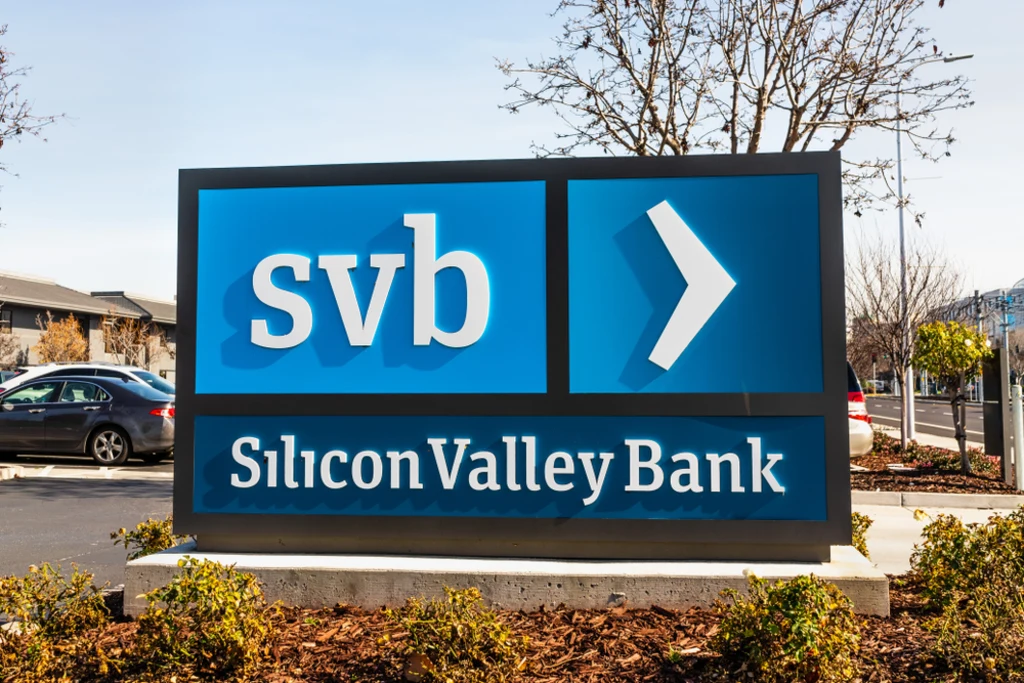
Photo credit: Shutterstock
In early 2023, SVB locked out startup founders from accessing their funds. The bank had been contending with a cash crunch stemming from fundamental lapses in liquidity management. This prompted the US government to step in, safeguarding SVB’s clients – including many startup founders – and preventing a broader financial crisis.
Toolbox
Mind the digital gap
Stay ahead in Asia’s tech landscape
This is premium content. Subscribe to read the full story.
Fintech features like virtual cards and real-time tracking give founders more financial flexibility, but there are drawbacks.
We know this is not ideal. ⌛ Sign up in 20 seconds. Cancel anytime.
Our subscriber community includes professionals from these companies:





Stay updated on the go with our mobile app.
Get latest insights with smoother, more personalized experience through TIA mobile app.










📅 Upcoming Events
22 October 2026
Payoneer x CSPN Summit 2026