- Insights This article was written by a TIA community member. Insights pieces undergo the same rigorous editorial process that newsroom-produced articles have.
 Olivia Plotnick · · 5 min read
The Starbucks vs. Luckin debate misses the real winner
For years now, many have wondered whether Luckin Coffee would topple Starbucks as the world’s coffee chain of choice. Luckin has surpassed Starbucks in both revenue and store count in China and has even expanded to New York, even if there have been bumps in the road.
But while debate rages over Starbucks’ survival in China and Luckin’s odds of success in global markets, both companies are fighting over territory that’s shifting beneath them.
Enter stage right: milk tea.
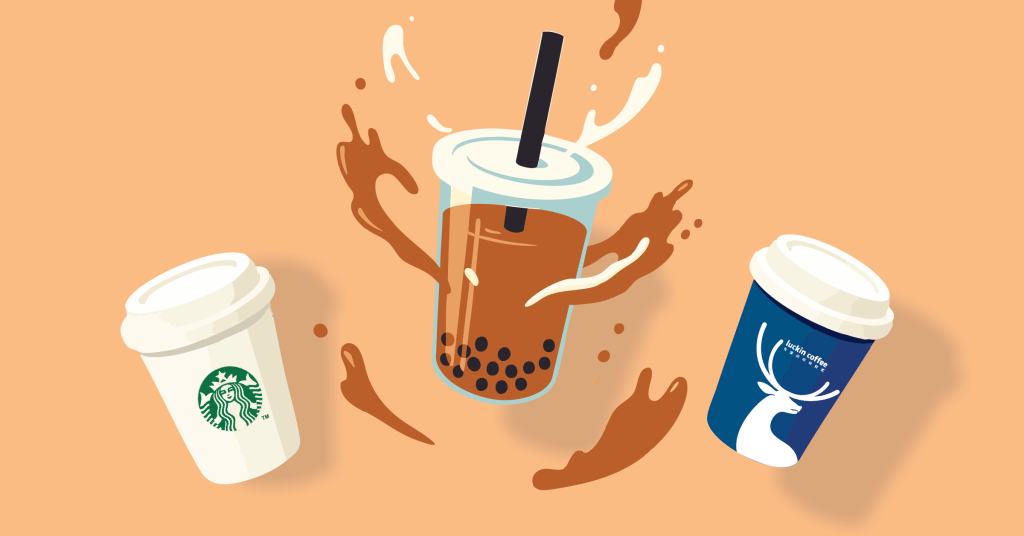
Image credit: Arsal Ysfin
In a project that took me to 32 Chinese cities over the span of 60 days, few things were as ubiquitous as the presence and popularity of milk tea. Between 2017 and 2022, the number of milk tea stores in China doubled to 500,000, according to data from the China Chain Store and Franchise Association.
In China, where Starbucks and Luckin bookend a street block, milk tea brands make up the 10 stores sandwiched in between. Each one is busy from opening to closing, with employees rushed off their feet serving patrons and delivery workers.
This story is familiar in Seattle, Washington, the birthplace of Starbucks, where I recently saw the longest lines outside Heytea, a Chinese milk tea brand. The company has increased its overseas presence sixfold over the past year.
See also: Tech-enabled coffee chains percolate across Southeast Asia
The Starbucks vs. Luckin argument focuses on price, positioning, and product quality. But neither brand is delivering an experience that addresses a growing consumer demand: emotional consumption.
The way Chinese milk tea brands are fulfilling that desire offers a playbook for understanding the next wave of consumer behavior across Southeast Asia, a region that often follows China’s lead. Let’s dive into some lessons for brands and founders looking to capture young consumers’ spending.
Emotion over function
As I traveled across China, mainly through lower-tier cities, I stepped foot in more shopping malls than I have in the rest of my life. And there were always two establishments that were packed: collectibles store Pop Mart and milk tea shops.
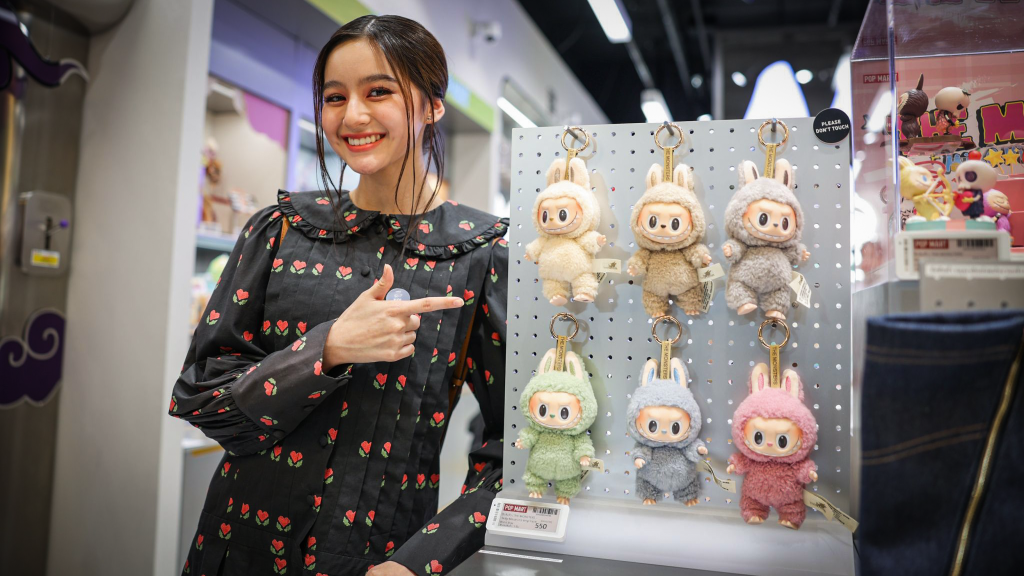
A Pop Mart store in Thailand / Photo credit: PopMart
This isn’t coincidental. Both have tapped into “emotional consumption” – purchases driven not by need or status, but by the feeling the product or experience delivers. Think something like treat culture.
Micro-joy
Radical accessibility
Stay ahead in Asia’s tech landscape
This is premium content. Subscribe to read the full story.
Forget the coffee wars. Milk tea’s rise in China offers a playbook for Southeast Asia’s next consumer wave.
We know this is not ideal. ⌛ Sign up in 20 seconds. Cancel anytime.
Our subscriber community includes professionals from these companies:





Stay updated on the go with our mobile app.
Get latest insights with smoother, more personalized experience through TIA mobile app.












📅 Upcoming Events
22 October 2026
Payoneer x CSPN Summit 2026