Elyssa Lopez · · 5 min read
Inside SEA’s EV bike race for survival
Welcome to Tech in Asia’s daily newsletter, your essential dose of Asia’s tech and startup buzz. Not yet a subscriber? Register here. Got a story tip? Send it to editors@techinasia.com.
In focus
- How Southeast Asia’s electric bike startups are staying alive
- Why Singapore family offices are locked out of AI deals
- Airwallex to expand to Vietnam and Indonesia
Hello reader,
When diesel started to breach the 100 peso (US$2) per liter mark here in Manila, some of my friends started to consider buying electric cars. One friend went on to purchase a hybrid (she couldn’t commit just yet to going fully electric), while another has begun looking at electric car options.
Yet, none of them are thinking of buying an electric motorbike. True, my friends are not motorbike riders. But still, my chats with Grab delivery riders point to a market reality: they don’t see the appeal just yet.
While anecdotal, these experiences illustrate the uneven adoption of EVs across the region. Some markets are more receptive than others, but progress is challenging everywhere, and companies have tried a range of tactics to make it work.
When Gogoro entered Southeast Asia in the early 2020s, the Taiwanese firm did so through key corporate partnerships, especially in the Philippines and Indonesia.
But the high price tag of the scooters and the cost of building battery swapping stations in key locations dashed the firm’s hopes of expanding further in the two countries. By 2024, Gogoro was out in both markets.
Some homegrown electric motorbike operators are learning from those costly lessons. In one of our Big Stories today, I uncover how the surviving players in the region have managed to stay on the road in Southeast Asia despite the capital-intensive requirements of the sector.
Consider Sleek, a Thailand-based player that initially tried building a battery swapping station network in the country, too. After a year of operations, the firm pivoted to fast-charging stations instead, as the market data showed that their customers didn’t mind the wait when charging anyway.
Meanwhile, in Singapore, family offices are seeking pathways to fund their favorite AI companies. A study has revealed that, despite their embrace of AI tools in their operations, family offices have been kept out of the cap tables of AI firms, and it’s not by choice.
Elyssa Lopez, journalist
Top Stories
1️⃣ How SEA’s surviving EV bike operators stay on the road
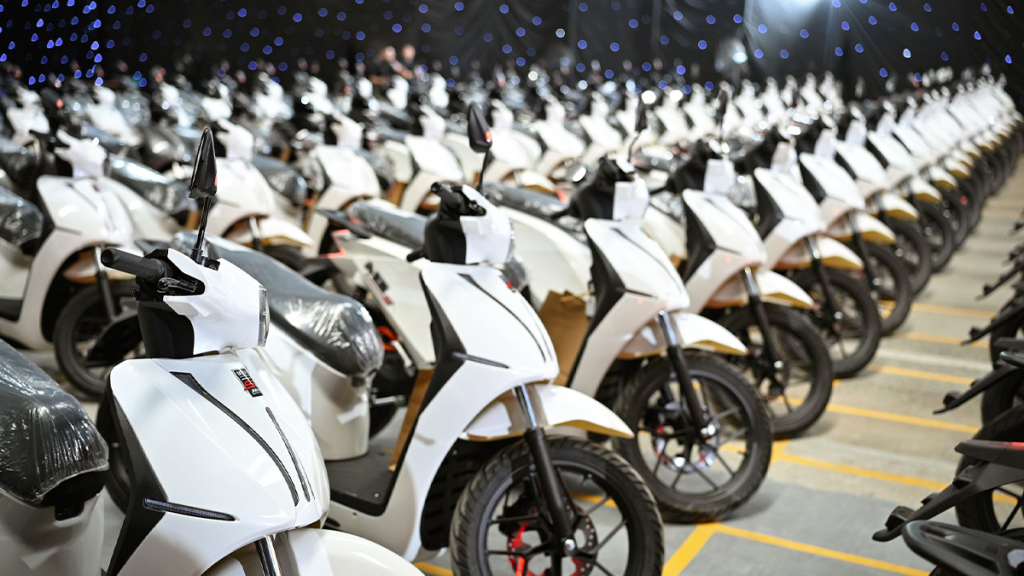
Dat Bike now sells its bikes across over 100 stores in Vietnam. / Photo credit: Dat Bike
Spotlight
Trending news
Registration is now open for WorldQuant Brain’s International Quant Championship





Stay updated on the go with our mobile app.
Get latest insights with smoother, more personalized experience through TIA mobile app.