 Nathaniel Fetalvero · · 8 min read
You should sponsor our conference. Here’s why
I remember my first Tech in Asia Conference.
It was three years ago, and I’d just signed my contract to join the Tech in Asia team. My start date wasn’t until two weeks later, but my manager thought it would be a good opportunity for me to meet my colleagues and have a feel of what our conferences are like.
I’d never been to any tech conference before, so walking into the colossal hall back in 2018 was an astounding experience. An air of excitement filled the room, where startup booths were set up as far as the eye could see. Everyone I spoke to seemed eager to pursue their dreams and change the world.
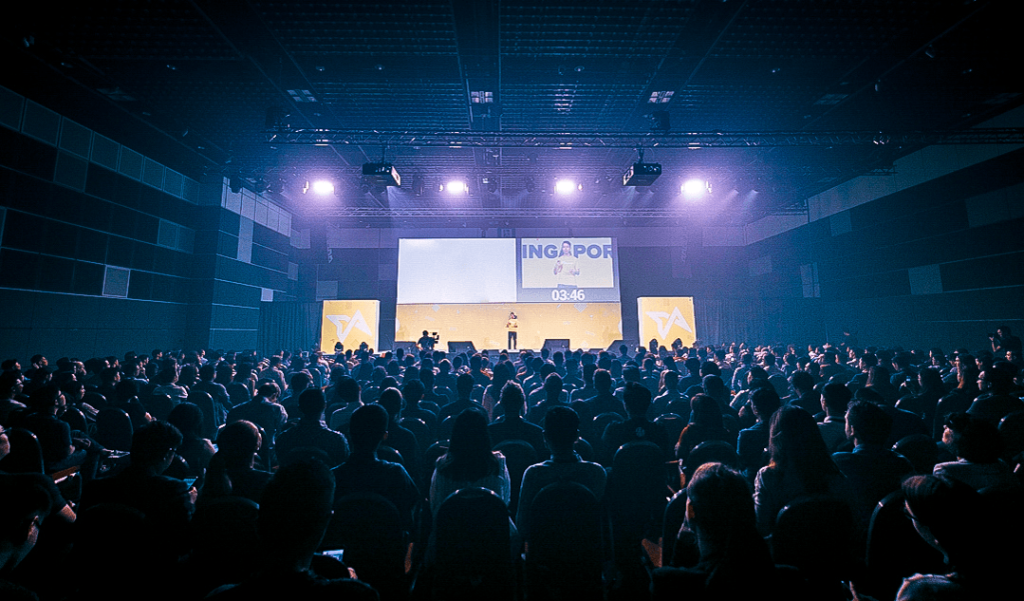
I mean, look at that scene and try not to get chills. / Photo credit: Tech in Asia
My most memorable moment from that day was the Startup Arena pitch battle. I recall thinking that it was like the American Idol of the startup scene: Participating pitchers seemed like rock stars in-the-making, and one of the investor judges definitely gave off strong Simon Cowell vibes.
But when the Covid-19 pandemic broke out in 2020, conferences and other events around the world – including Tech in Asia’s – were forced to pivot to a virtual, attendee-friendly model or shutter altogether. And with people quickly gaining Zoom fatigue from all the work meetings, organizers everywhere scrambled to make their online events as interactive, engaging, and unique as possible.
One thing that concerned us during that rocky period was whether we’d still be able to bring in sponsors onboard. After all, physical events were turning into virtual livestreams, where it is slightly more difficult to engage with attendees. Is investing time and money in conference sponsorships still worth it for businesses?
Short answer: Yes. Here’s why.
1. Gain global attention
Ever tried organizing a dinner with old friends? It can be a nightmare aligning schedules, trying to find a night when everyone’s able to leave work early enough to make it and nobody needs to be up too early the next day.
Event organizing is just like that, but your friend group consists of over 5,000 people and you don’t have any of their calendars handy. Like I said: absolute nightmare.
With virtual or hybrid events, however, you’re meeting participants where they’re at – most of them are at home these days. Without the pressure of having to set aside half a week from work to physically show up at a two- or three-day conference or needing to book a two-hour – or even 20-hour – flight to the event venue, it’s more likely that people from just about anywhere would be more willing to attend.
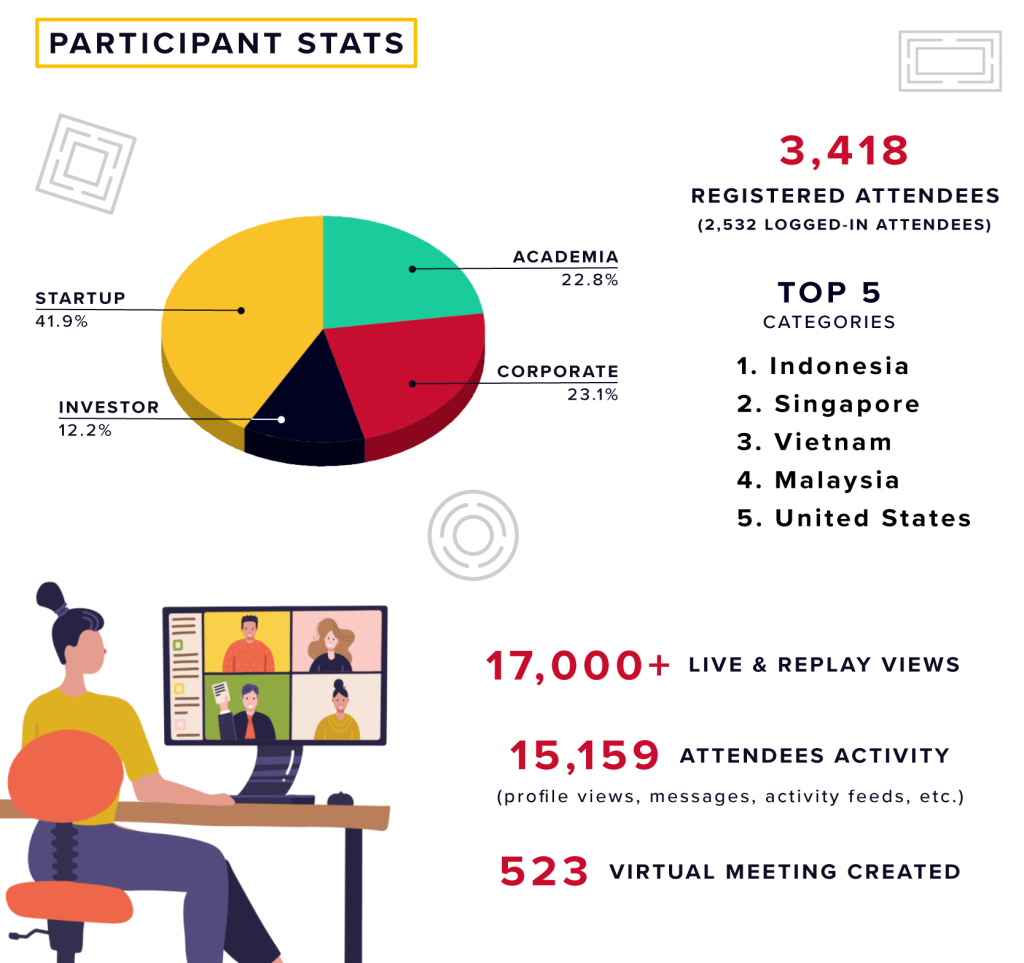
Image credit: Tech in Asia
Take Tech in Asia Conference 2020. As our flagship conference went virtual, our attendee profile went global. The event saw viewers tune in from the US, the UK, Germany, Israel, and even North Korea, on top of our usual Southeast Asian audience.
Plus, because our events are recorded and were accessible to registrants even weeks after the conference took place, viewers can actually just watch sessions whenever they’re available. They could even rewatch sessions that they’d already caught, if that’s their fancy. This means that compared to those who join in-person events, the average online attendee could be more engaged since they aren’t distracted by other ongoing sessions or all the other things that go on during tech conferences while they’re at a talk.
For those sponsoring speaker sessions, you’re no longer just presenting your brand or showcasing your expertise to a conference hall full of a couple thousand people. Instead, you’re talking to the world – a more attentive one, at that.
2. Go resource-light
During my first conference experience, I spent a lot of time speaking to the people at the startup booths.
When they weren’t trying to get me to give them free coverage on Tech in Asia (something I couldn’t even offer them at the time), the conversations we had were pretty insightful, particularly about the lives of startup founders. Many had left cushy jobs with sky-high salaries and workplace benefits that seem impossible to walk away from just to bootstrap a business – often on their own, for a significant time – that had no guarantee of panning out.
That makes their time incredibly valuable. Sure, setting up booths at conferences is a good way to make connections. But breaking for lunch, going to the toilet, or even just sitting down to rest your legs for a moment could cost you a lead, especially for a solo founder.
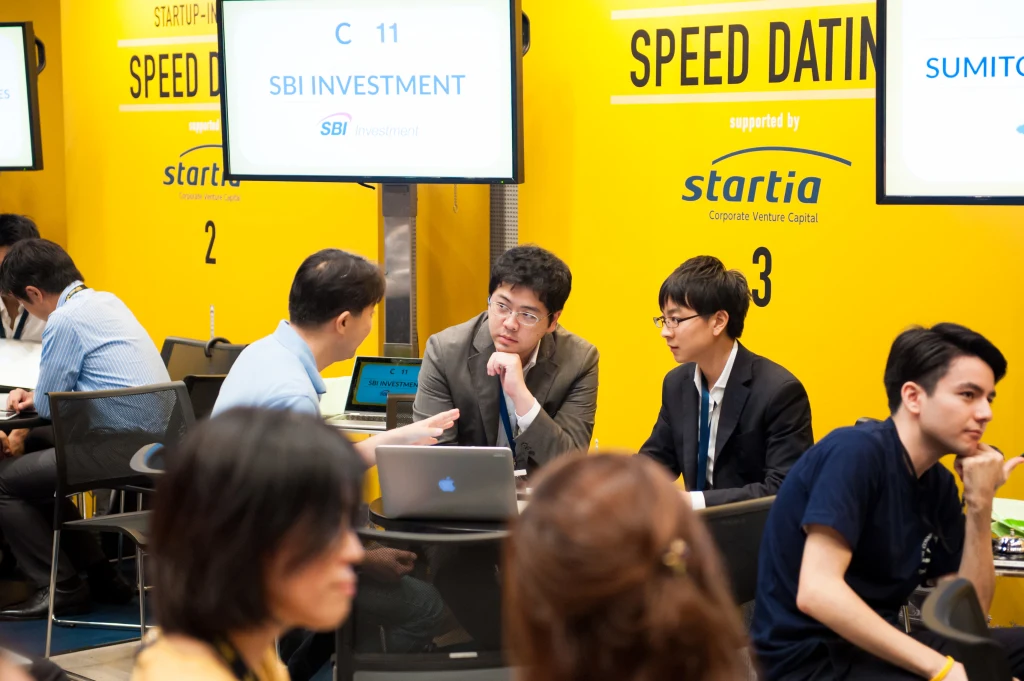
Oh no, did you leave your booth for 30 minutes to go speed dating? You missed five leads – that’s a bummer. I’m sorry. / Photo credit: Tech in Asia
Even for businesses with the resources to hire sales staff to man booths at a conference, that team would need to spend a significant amount of time preparing for the event, traveling to the venue, spending the days at the site, and following up with the connections they made afterwards.
Virtual events allow businesses to put a lot of that time and money into other things instead. But at the same time, their sales teams are ready to move when it matters – before, during, and even after the conference. After all, your sales staff are dialing into the conference from home – just like the participants you’re hoping to engage.
In between networking hours, you and your team can comfortably work on daily responsibilities but quickly switch gears if an attendee were to ping your virtual booth. And because they’re already at their laptops, sales personnel can follow up on meetings with potential leads almost immediately.
Gone are the days of spending the evenings of conferences sitting with your team at a nearby bar, frantically sending emails to all the people you’d met, and hoping that they remember you from the hundreds of others they’d spoken to during the day.
3. Valuable, actionable data
For many businesses, attending and sponsoring conferences is only the first step of many in the bid to grow their clientele – you’d be hard pressed to get a contract signed during the event itself. You need to reach out and say, “Hi, remember me?” and do a whole back and forth for a few days or weeks after meeting before you can get ink on paper.
But at a physical event, you’d be limited to the people you have shaken hands with and given your business card to. So unless your startup’s revolutionary idea is cloning technology, you’re probably not going to be drafting a lot of follow-up emails.
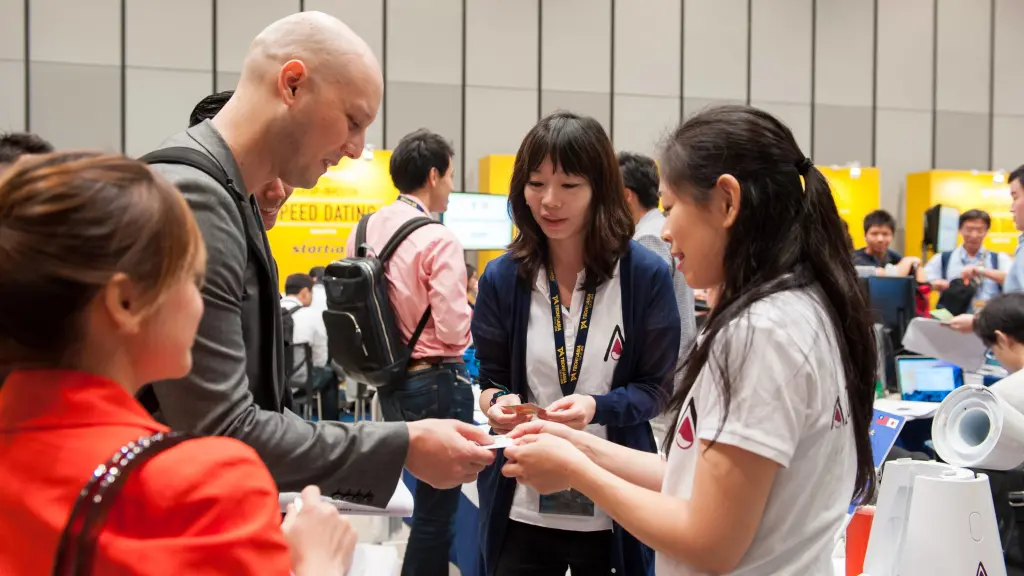
“Hi, please don’t forget me.” / Photo credit: Tech in Asia
In a virtual setting, it’s a different story. Especially after a Tech in Asia event, you’d shut your laptop knowing that the next time you open it, you’d have an email from us containing valuable and actionable data on the people you need to reach out to. Gave a session? Check out the breakdown of which industry your attendees came from. Ran an ad? The people who saw it came from these countries. Set up a virtual booth? Here are the contact details of those who came by and would like to hear from you.
Because you know who your leads are, you can tailor your outreach to be more effective in getting deals signed. Plus, you also get an idea of how to tweak your sessions, ads, or virtual booths to be more effective in future conferences.
4. Support the ecosystem
Before writing this article, I asked one of my colleagues in the business development team why people sponsor our conferences. Aside from getting sponsored speaking opportunities, scoring leads, and the other reasons that most of us already knew, she offered one more: It’s us.
As in, people – usually venture capitalists – say that they’ll sponsor a conference just because it’s ours and they’re more than happy to support Tech in Asia.
I laughed it off at first because it sounded like a ridiculous way to spend marketing dollars. But a couple days later, I realized what that really meant: They weren’t putting their money into our pockets; they were investing in the future of Asia’s tech ecosystem.
Big thanks to our sponsors (so far) for Tech in Asia Conference 2021, whether you’re supporting us because we’re us or you’re investing in the future of tech in Asia. / Image credit: Tech in Asia
“We have supported many events of Tech in Asia since 2012. We strongly believe that the Tech in Asia Conference is a unique opportunity not only for startups but also for East Ventures,” says Willson Cuaca, the venture capital firm’s co-founder and managing partner.
He added: “We can expand our network, connecting with many potential startups with amazing entrepreneurs in Southeast Asia. Tech in Asia Conference is one of the best events that we participate in. We look forward to more progressive relationships being formed in the next conference.”
(Disclosure: East Ventures is an investor in Tech in Asia.)
Hanno Stegmann, managing director and partner at corporate investment and incubation firm BCG Digital Ventures echoed Cuaca’s sentiments. “As venture builders, nurturing the startup ecosystem across Southeast Asia is important to us. Sponsoring the Tech in Asia Conference is a great way for us to be connected with founders and VCs, and to stay close to the latest ideas of Asia’s entrepreneurs and to the tech talent market.”
Just imagine: Some of the money that sponsors put into Tech in Asia Conference 2021 would allow us to put more money into marketing it. Because of the increased exposure and awareness, a startup founder might stumble upon the event for the first time this year. During the conference, they might meet a fellow entrepreneur who inspires something in them or even an investor who could fund their business. A few years after that, who knows? That person may end up becoming a speaker at Tech in Asia Conference 2026, inspiring the next generation of tech revolutionaries, thereby completing the circle of life.

Sing it with me. / Image credit: Nilaron / Gifer
That said, there are various reasons why you might not be interested in sponsoring the conference, and that’s cool too. Some folks, like many of our subscribers, just want to attend.
But if your organization wants to be part of the circle of life in the Asian startup community, consider sponsoring the Tech in Asia Conference. You can get in touch with us here or view our media kit below.
Stay updated on the go with our mobile app.
Get latest insights with smoother, more personalized experience through TIA mobile app.
Recommended reads
 Forrest Li on scaling Sea, building smarter bots, and founder grit
 SGX’s CEO says it doesn’t need a unicorn to win
 SMEs want AI too, but not the kind Big Tech is selling
 Oatside’s alt-milk rise hits a profitable gear
 Alibaba’s financial health in 12 charts
 Asia’s telcos bundle AI into mobile plans. Will it pay off?
 M-Daq chases bigger clients as revenue falls, losses grow
 VC tracker: Accel raises US$3.5b, including US$550m for India
 Graas buys Temasek-backed Trustana in agentic commerce push
 Doctor Anywhere posts healthier operations in 2025





Editing by Eileen C. Ang
(And yes, we’re serious about ethics and transparency. More information here.)




