Harsimran Julka · · 8 min read
Why pollution makes Uber drivers earn less in India
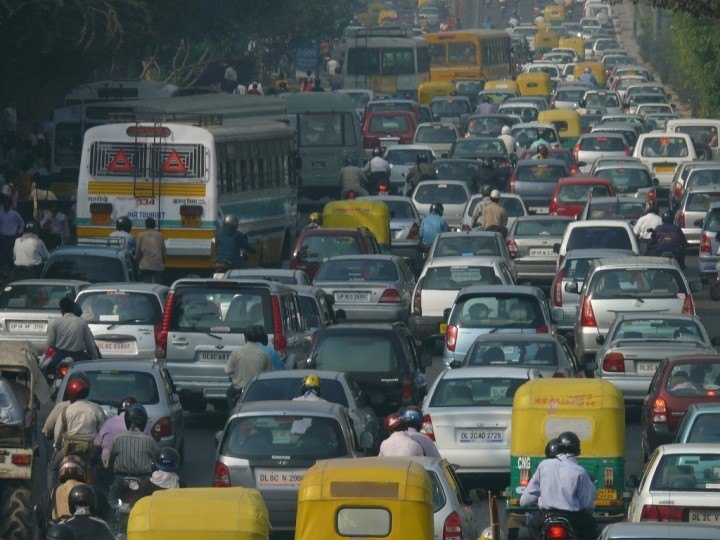
Photo credit: Wikipedia.
A couple of days after the government of Delhi stopped banning half of the Indian city’s cars from going on the roads, I thought of checking out the traffic to see if the emergency measures to fight horrific pollution were paying off. I was going to take a metro train to a startup’s office in Gurgaon, which is about 35 km and two hours away from the heart of Delhi. But instead I decide to hail an Uber, despite a threefold surge.
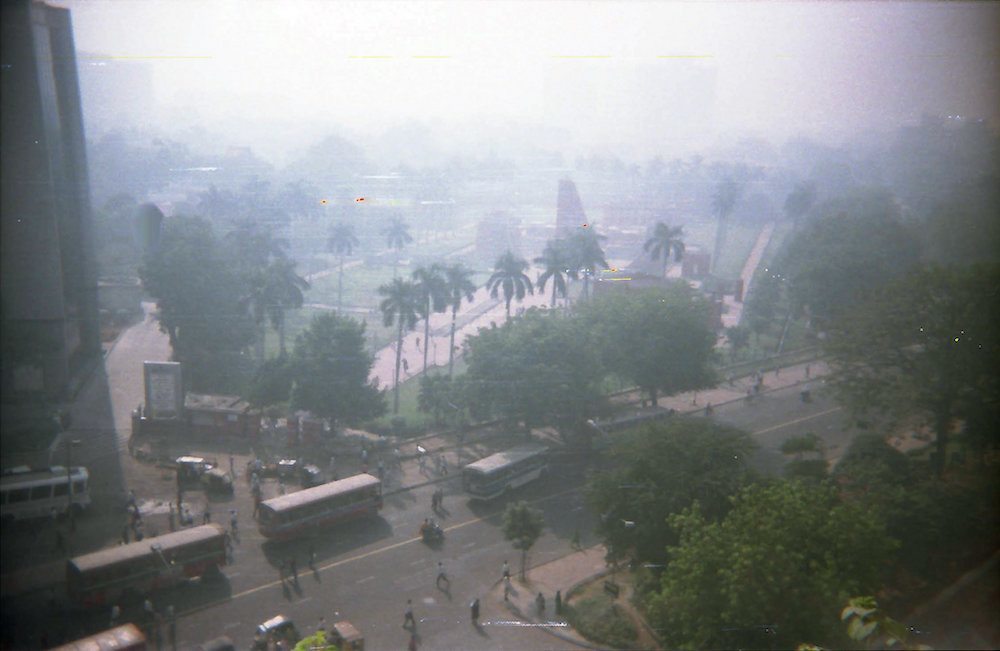
The cab arrives in time. The air outside is cold. What seems like mist is actually smog. One can tell the difference. I gasp for some oxygen from the cab’s window, but there’s little fresh air to be had.
The traffic is unusually heavy, even though it’s high noon. With the car ban – called the “odd-even” scheme because the final number of a car’s license plate dictated whether it was allowed on the road on a certain day – now lifted, all the city’s cars had suddenly reappeared. “During the odd-even fortnight when roads were sparse, my average was about 10 trips in 12 hours of work. With strong traffic, it’s down to six trips,” laments Jamuna Yadav, a driver registered with Uber in Delhi. That’s caused a fall in his daily income.
Uber drivers in India typically make an average of US$44.20 per day. But with heavy traffic, drivers such as Jamuna end up making less.
Losing out
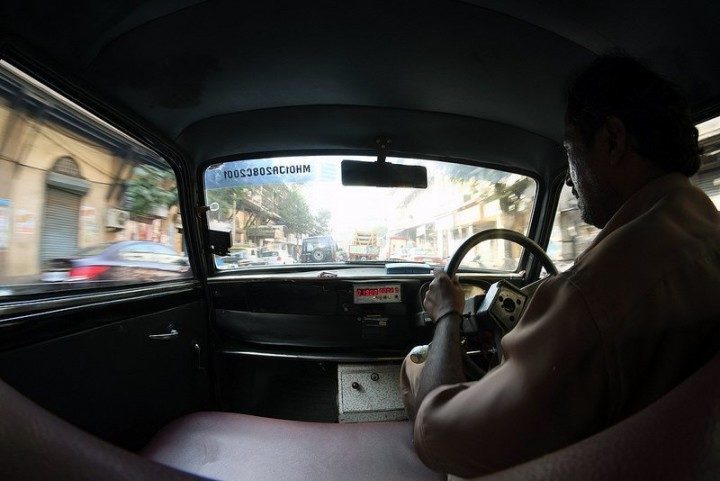
Photo credit: Daniel Incandela.
The pollution control measures by Delhi’s government have come as a boon for ride app startups such as Uber and Ola, which have seen their downloads rise during the period. Citizens were allowed to take out their cars only on alternate days.
“We witnessed a significant increase in demand – almost in double digits – across various categories on Uber during the odd-even experiment in Delhi-NCR,” an Uber India spokesperson tells Tech in Asia.
The partial car ban also forced people who own chauffeur driven cars to take a cab.
Ola, Uber’s Indian homegrown rival, claims it saw “a lot of demand” around shopping malls, metro stations, and other busy areas. “Office goers preferred shared mobility solutions,” – that means carpooling – “during peak hours of 9 am to 12 pm and 4 pm to 8 pm,” explains an Ola spokesperson.
While traffic in urban cities is a pain for citizens, it’s not good for people who work for ride-hailing apps either. Drivers with such apps in India get paid only a couple of cents per minute as waiting charge. Besides new trips, they lose out on incentives whenever their car gets stuck in traffic.
Smog in New Delhi in 2014. Photo credit: wonderlane.
Choking hazard
Carpooling gains traction
Entrepreneurs flee traffic and pollution
Night owls
New ways of moving around





Stay updated on the go with our mobile app.
Get latest insights with smoother, more personalized experience through TIA mobile app.