Ragha Vasudevan · · 4 min read
Here’s what happens when an engineering team updates a software daily
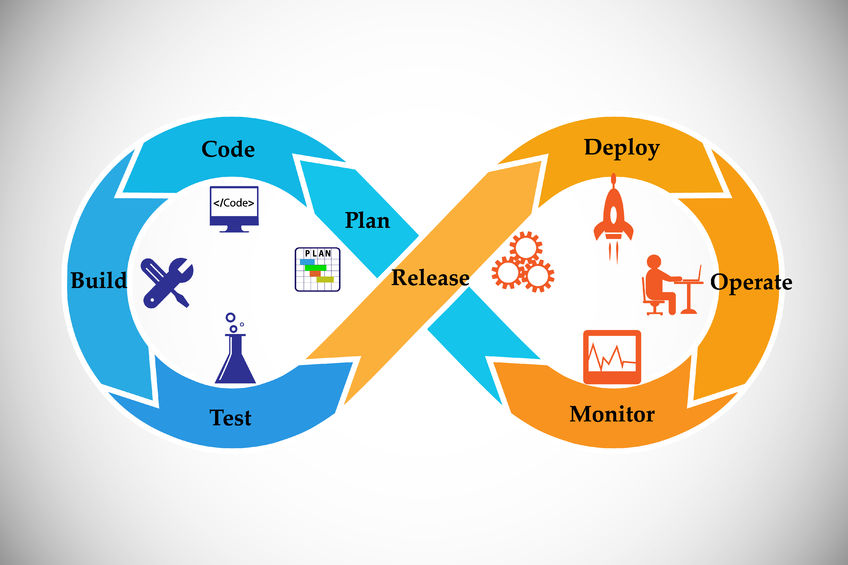
Copyright: chinnappa / 123RF Stock Photo
At Holistics, our engineering team updates our product on a daily basis; both major product changes as well as minor bug fixes are aligned to the daily release schedule. When I first heard about this approach, I almost fell out of my chair. Not only did I come from an enterprise IT background, but this is also more frequent than what the Agile methodology advocates.
Software development and deployment has evolved considerably in the last few years, and I hope to cover the benefits and drawbacks of a more frequent release approach.
Software deployment: The past
There are risks that come with every change in a software product and the deployment process itself. They range from unexpected software behavior impacting user experience to reputational risk that can drive people away from the product altogether. Large enterprises, especially those in sensitive industries like insurance and financial services, have dedicated release management teams that thoroughly evaluate individual deployments. They regularly review software development and testing processes to ensure minimal risk.
The cost of managing these risks, in addition to fielding a dedicated team of experts, is the documentation, overhead, and “bridge line” calls that developers, testers, and product managers need to be on. Despite the added bureaucracy, this has been the preferred way, as the alternative was answering to angry C-suite executives or a PR disaster.
Then came Agile
Agile and Lean methodologies have been increasingly adopted by companies of different sizes as it cuts down the software development life cycle to two to three weeks, as opposed to months. The benefits of Agile go beyond efficiency: teams can now build their product incrementally based on actual customer feedback and usage data, making the final product more user-friendly.
Agile, Lean, and Scrum have increasingly become the way of life for software developers, especially those in startups and small businesses.
The Cloud era: CICD
Now, companies are increasingly adopting the Continuous Integration (CI), Continuous Delivery (CD) paradigm, which has been a game changer. CICD allows multiple developers in a team to make changes to different aspects of the product simultaneously. When done well, this allows teams to deploy software on a more frequent basis, sometimes multiple times a day.
Naturally, to get CICD right, organizations need to have a certain level of discipline and the right processes⏤two things that are much easier said than done. While developing this capability is difficult, it lets you ship products more quickly and allows developers to deploy bug fixes faster. Implicitly, this paradigm has increased the tolerance of risk and unexpected failure as fixes can be done within the same day.
Why does this matter?
Choices made by your engineering team can impact your team positively, and can even become assets that fuel growth. The benefits of having a more frequent software deployment cycle are:
Bug fixes
SaaS products are often leveraged by companies in ways that the product manager might not have anticipated. Thus, there are only so many functional requirements that testing teams can validate, as every new customer potentially brings in a test case that is new to your team.
Thus, when customers report a software issue, the engineering team can prioritize, fix, test, and deploy within the same day so that the user experience continues to improve. The need for applications to work better for customers is more pronounced than ever, and fixing issues quickly signals responsiveness to customers.
Accommodating customer requests
OK, what is the downside?
A source of growth





Stay updated on the go with our mobile app.
Get latest insights with smoother, more personalized experience through TIA mobile app.