 Leighton Cosseboom · · 6 min read
Startups in Indonesia grapple with dangers of tranched investments

In the VC game, entrepreneurs who’ve been handed term sheets may be familiar with the word “tranched.” It refers to investments where portions of the overall investment are dispersed over time when the startup hits certain targets. Usually, a tranched investment is applied to larger deal sizes, like series B and C tickets. For example, a company raises US$4 million in its series B round, but may only get US$2 million transferred to its bank account upfront. The other half would be wired over if and when the company satisfies a set of KPIs it has negotiated with the investor.
This is not something often talked about in the startup world – likely because startups are more concerned with simply getting an audience with a VC and not dissecting their investment thesis. In theory, tranching gives investors a way to minimize risk. In practice, some VCs say tranched seed and series A rounds are dangerous propositions. Sources tell Tech in Asia tranching is becoming increasingly trendy, particularly in Indonesia where more seed and series A rounds are taking place than ever before. The issue is proving controversial.
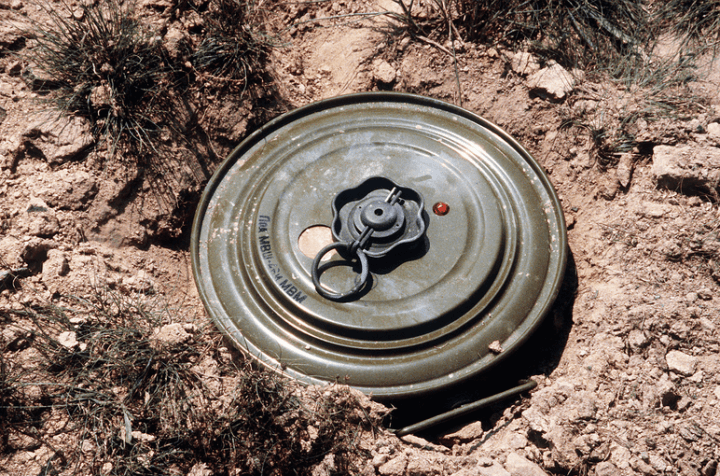
Mines on the battlefield
Some argue tranching is bad for early-stage investments. One reason is that it makes hiring more difficult. How does a founder convince someone talented to join the team if they must be honest about how much cash is in the bank and how long a runway the business has? Another point to note is that KPIs and milestones are ephemeral, meaning they’re constantly changing. Tethering pre-planned capital injections to milestones from the get-go, then having those milestones turn out to be unrealistic is sure to lead to sluggish development. In some cases, this type of guardrail may prevent the company from making necessary pivots.
Others argue tranching creates an unhealthy dynamic between the founder and investor. When it’s a funding round released in full, both founder and investor are forced to get on the same page and make sure the company grows. It appears as more of a straightforward alliance, with no need to read between the lines. When a deal is tranched, the entrepreneur now has a reason to make progress seem on the up-and-up. In this sense, tranching can incentivize startups to please the investor, which can lead to things like omitting struggles, only sharing positive metrics, not asking for help when they need it, and other shady antics.
Chris Dixon, general partner at Andreessen Horowitz, believes tranching distracts the founder. “The entrepreneur is forced to spend time making sure she gets the follow-on tranches,” he writes in a blog post. “In many cases, she even has to go present to the VC partnership multiple times (each time requiring lots of preparation). Also, savvy entrepreneurs will prepare multiple options in case the VC decides not to fund, so will spend time talking to other potential investors to keep them warm. So basically, tranching adds 10 to 20 percent overhead for the founders that could otherwise be spent on the product, marketing, etc.”
Dixon suggests there are better ways for investors to mitigate risk, like smaller round sizes and lower valuations.

Chris Dixon, general partner at Andreessen Horowitz
See: How one startup went bust and couldn’t pay its workers
Motivation and flexible targets
Willson Cuaca, managing partner of East Ventures, an early-stage investor in Southeast Asia, admits his firm sometimes does tranched investments. “Yes, we’ve done that. But what’s important about the tranched investments to us is not really about downside protection or taking advantage of the startup’s situation,” he explains. “The terms that we gave the startup was not something like, if you hit your milestone, you’ll get the right valuation or if you miss your milestone, we get the upside protection.”

Tranche warfare





Stay updated on the go with our mobile app.
Get latest insights with smoother, more personalized experience through TIA mobile app.







📅 Upcoming Events
22 October 2026
Payoneer x CSPN Summit 2026