 Nivedita Bhattacharjee · · 4 min read
India’s top two grocery startups aren’t merging. It probably won’t make sense either
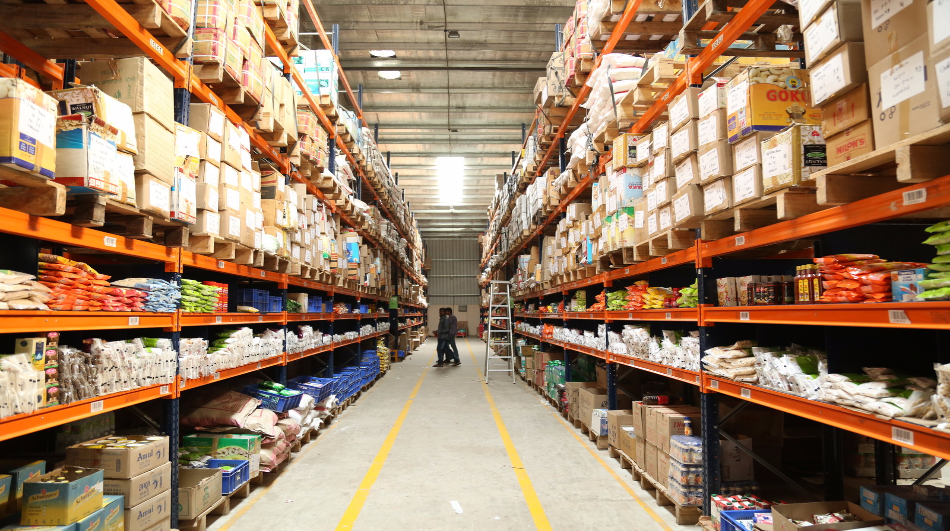
A BigBasket distribution center. Photo credit: BigBasket.
On-demand grocery startups Big Basket and Grofers say they are not merging, irrespective of what media reports today claim.
Big Basket CEO Hari Menon and Grofers CEO Albinder Dhindsa responded to an article in The Times of India, which said the companies have held merger talks, though the discussions are in a preliminary stage and have moved slowly.
“The report is all bunkum, it doesn’t make sense for us to buy Grofers,” Hari tells Tech in Asia.
Ganging up on Amazon
The TOI says that merger talks between the two companies started in November last year, and will be brought up during BigBasket’s board meeting scheduled for end of January.
A deal will depend on BigBasket’s upcoming financing round, the report says. The Bangalore-based startup is set to raise US$150million in a fresh funding round.
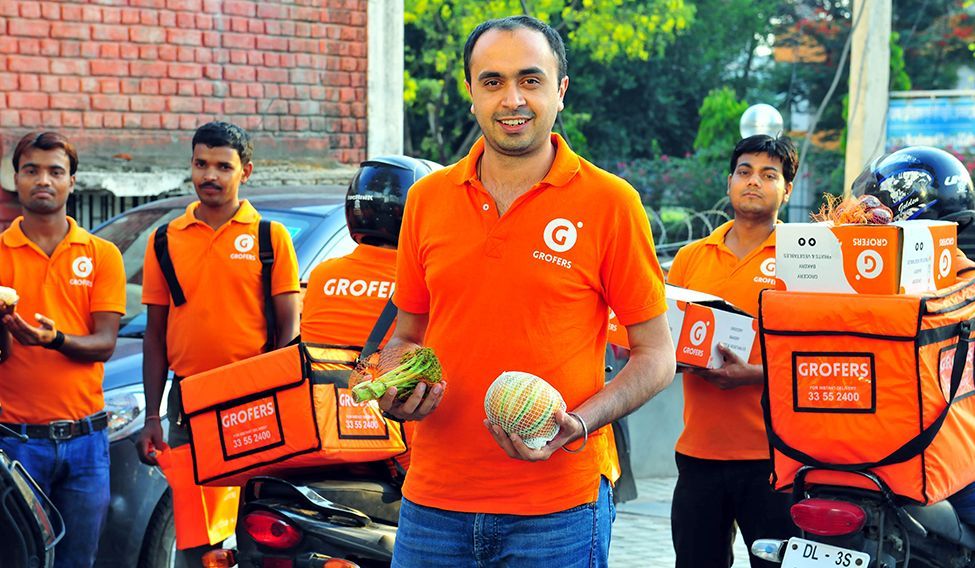
Albinder Dhindsa, cofounder and CEO of Grofers. Photo Credit: The Week.
What are called “mergers” in the business world are rarely those in reality. A true 50:50 partnership almost never occurs. In this instance, it is likely that BigBasket would buy Grofers, if at all, rather than “merging with it.”
A source close to the matter tells Tech in Asia that the company heads have met time and again, and have sometimes discussed the advent of Amazon and ways to counter that in the past. Last year, that duo raised the topic of a possible merger, but only conversationally, “and nothing came of that. They didn’t even follow up.”
BigBasket is one the few companies in the country that seems to have cracked on-demand grocery deliveries in India – a space so hard to navigate that others, including Flipkart, Ola, and even Amazon have struggled with.
See: BigBasket’s secret to handling 35,000 orders a day, where even Amazon fumbles
Different paths
Amazon piloted its grocery unit in India starting September, but it doesn’t deal in fresh produce in any major way.
Grofers is on a path to rebuild itself after making some false moves in the past. Flush with cash, it chased new markets instead of building its core logistics team. The move backfired. Albinder has since taken up a number of measures to correct his mistakes, including investing around US$10 million in its supply chain.





Stay updated on the go with our mobile app.
Get latest insights with smoother, more personalized experience through TIA mobile app.











📅 Upcoming Events
22 October 2026
Payoneer x CSPN Summit 2026