 Nivedita Bhattacharjee · · 6 min read
BigBasket’s secret to handling 35,000 orders a day, where even Amazon fumbles
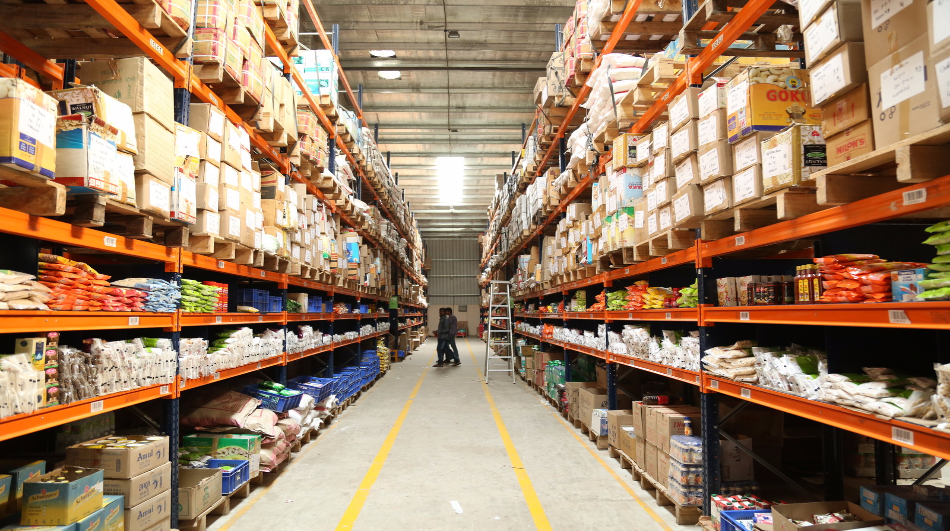
A BigBasket distribution center. Photo credit: BigBasket.
It is a weekday afternoon, just after lunch hour. The sprawling 80,000 square feet distribution center in Bangalore is a beehive of activity, and you may be forgiven for thinking you’ve landed in the middle of a full fledged supermarket. Except, you haven’t.
A thousand employees are busy accepting orders, filling them in, unloading and loading delivery vans, cleaning baskets, weighing and sizing fruits and vegetables, chopping them up (ever ordered cut veggies?) and even weeding out chillies, okras, and limes that do not make the cut. There is a chart listing weight and size measurements that the vegetables must adhere to.
This is the nerve center of BigBasket’s operations in Bangalore – its biggest market in India. The grocery delivery app manages about 35,000 orders every day across the country.
In India, managing that scale in a little over five years is something of a task.
The pressure has stumped everyone from Flipkart, Paytm, and Ola.
Densely populated cities and unregulated traffic have proved attractive for web grocers in Asia, who offer the convenience of doorstep delivery and a wide range of products that local neighborhood stores often don’t have access to.
But while China’s online grocery market – already the world’s largest – is set to be worth almost US$180 billion by 2020, India has proven a tough nut to crack.
A large chunk of Indians, mostly urban and working, are sold on the promise of easy delivery and a means to avoid the country’s crazy traffic, but there is still a huge population that likes to look and feel their vegetables before paying for them.
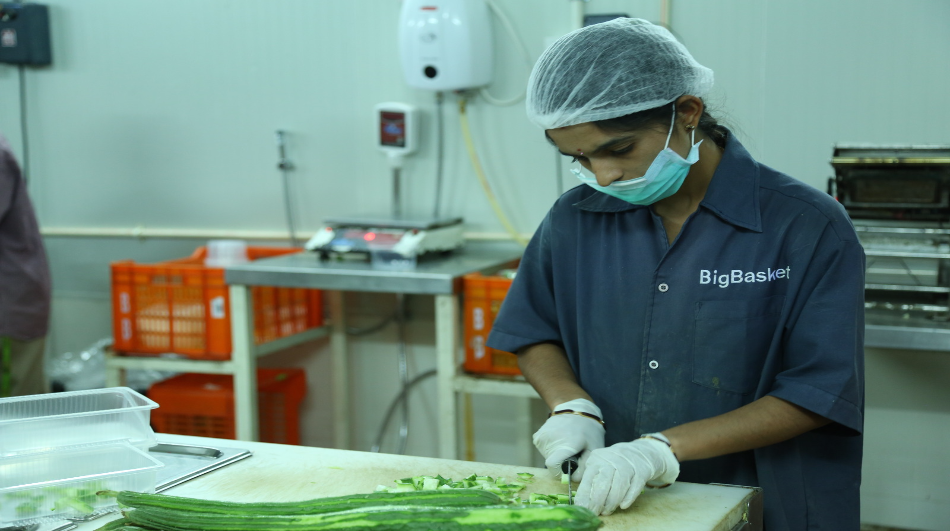
An employee cuts vegetables at BigBasket’s distribution center. Photo credit: BigBasket.
Moreover, local kirana shops – mom-and-pop stores – that sell everything from soap bars to notebooks to your particular variety of rice, have developed a long-standing relationship with shoppers over generations. They accept orders over the phone, deliver free of charge, and even extend credit.
See: 11 reasons why online grocery startups are failing in India’s small towns
Tech is an enabler, but the most important is the supply chain.
The big secret
Tech as an enabler
Old school equals money





Stay updated on the go with our mobile app.
Get latest insights with smoother, more personalized experience through TIA mobile app.










📅 Upcoming Events
22 October 2026
Payoneer x CSPN Summit 2026