- Premium Content It takes our newsroom weeks - if not months - to investigate and produce stories for our premium content. You can’t find them anywhere else.
 Theodora Sarah Abigail · · 7 min read
A startup looks to become Indonesia’s next big consumer goods brand
In their previous jobs, Wilson Yanaprasetya and Ryan Manafe got a firsthand look at Indonesia’s struggle to modernize, especially in areas outside the major cities.
“Most of Indonesia looks nothing like Jakarta,” says Yanaprasetya, who was a vice president at Northstar Group, an investor in super app Gojek, among others. “The average town is much smaller and some villages don’t even have running water or reliable electricity. Large trucks may not be able to enter because of the poorly paved, narrow roads.”
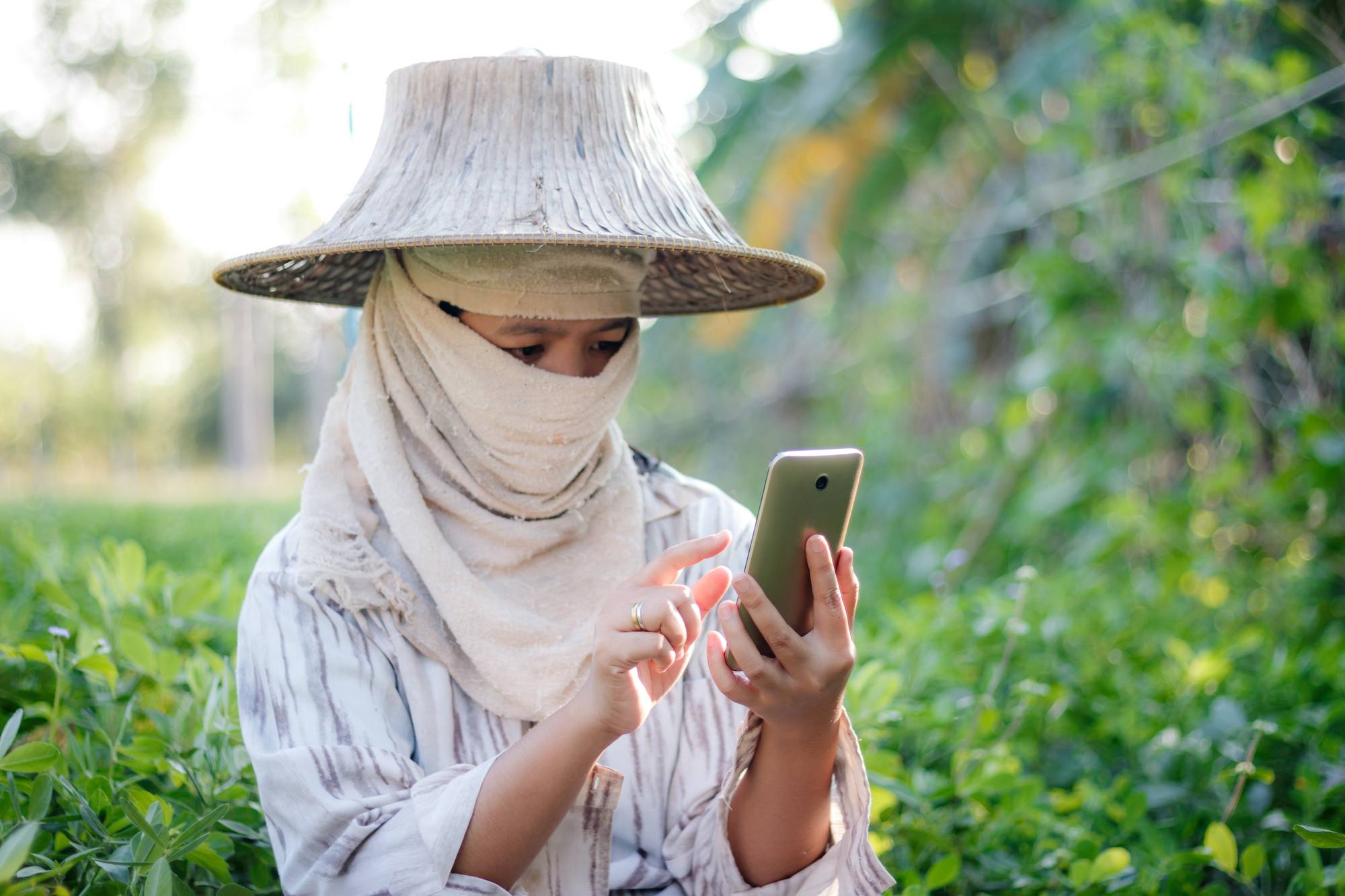
Photo credit: 123rf
One consequence is that smaller cities and rural areas often need to jump through many hoops to procure daily necessities.
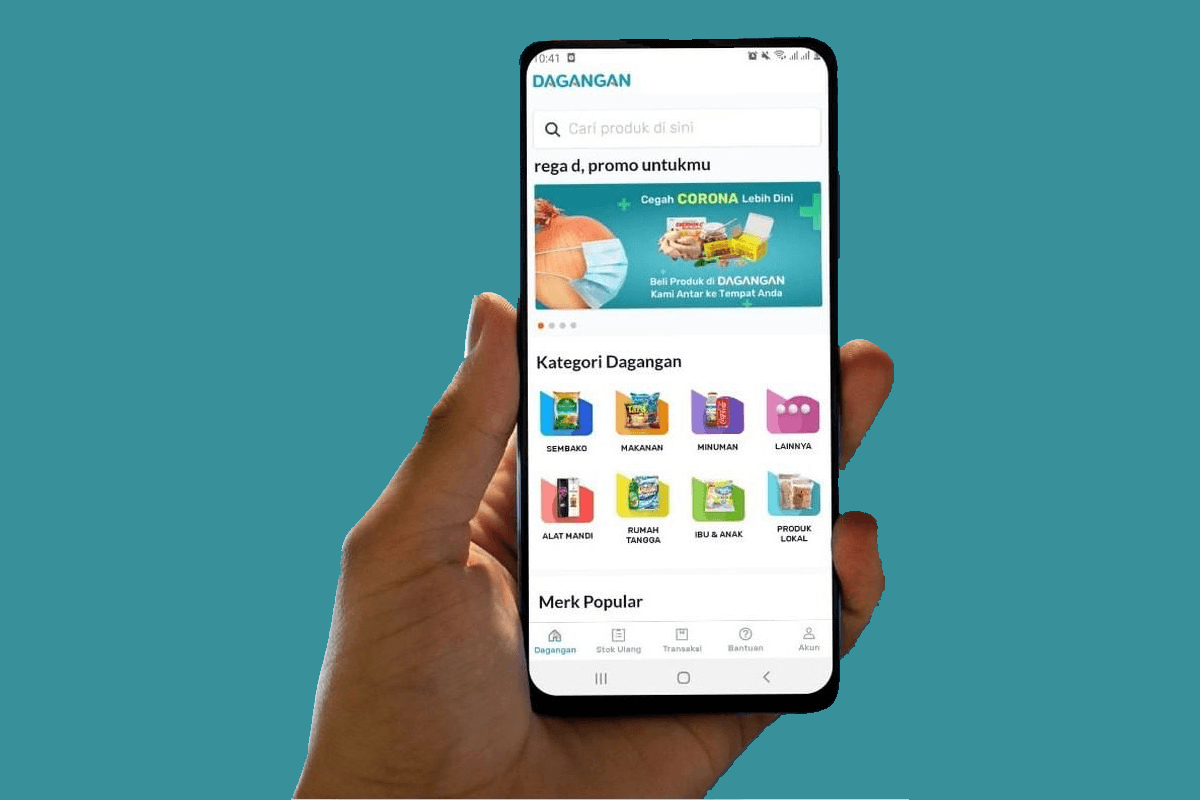
That realization led Yanaprasetya and Manafe to team up in December 2019 and establish a startup called Dagangan. It supplies fast-moving consumer goods (FMCG) to rural communities through an Android app and partnerships with community leaders.
The company’s long-term goal is to expand its own house brand – products manufactured with partners – which will allow it to keep more of the revenue.
Because Covid-19 pushed consumers towards digital solutions, Dagangan grew 12 times over throughout 2020. It processes 50,000 orders a month and delivers orders within 24 hours after they’re placed.
Supply chain from the bottom up
Dagangan classifies Indonesia’s cities into tiers based on size and population. Tier 1 cities are those like Jakarta, which have strong infrastructure and millions of inhabitants. Tier 2 cities are smaller – think provincial capitals.
The startup’s focus is Tier 3 cities and Tier 4 villages, which have populations below 500,000 and under 50,000, respectively. The total market is a considerable one as there are over 50 cities with populations between 100,000 to 500,000.
“In the past, communities would bulk buy or organize group orders through WhatsApp or manual notes,” Yanaprasetya says. Traveling 30 to 40 kilometers to purchase daily necessities was also the norm for many rural families.
He explains that many FMCG businesses can’t justify the cost of business expansion into rural areas because they can’t verify demand. And in many cases, these companies also lack access to these places because the roads are sometimes too small for trucks to pass.
As a result, FMCG firms will usually produce or keep their goods in a centralized facility in a Tier 1 or Tier 2 city. From there, the products are picked up by wholesale distributors and suppliers, who have their own facilities in other Tier 2 cities.
Rural consumers who don’t own vans are often forced to buy from resellers. With each middleman, says Yanaprasetya, the price of the product rises anywhere from 30% to 75%.
Move towards white-label products
Stay ahead in Asia’s tech landscape
This is premium content. Subscribe to read the full story.
Apart from making popular consumer products accessible to Indonesia’s rural communities, rapidly growing Dagangan is also manufacturing its own goods.
We know this is not ideal. ⌛ Sign up in 20 seconds. Cancel anytime.
Our subscriber community includes professionals from these companies:





Stay updated on the go with our mobile app.
Get latest insights with smoother, more personalized experience through TIA mobile app.