- Premium Content It takes our newsroom weeks - if not months - to investigate and produce stories for our premium content. You can’t find them anywhere else.
 Samreen Ahmad · · 7 min read
Zepto’s IPO puts India’s quick commerce model to the test
Indian quick commerce firm Zepto, which has long touted its 10-minute grocery deliveries, is dropping this claim from its branding. Aadit Palicha, the company’s co-founder and CEO, made the announcement in a recent LinkedIn post after a meeting with the country’s labor minister.
On the ground, however, little has changed for customers. Groceries ordered on Zepto still arrive in under 10 minutes, the app even shows delivery times of five to six minutes in certain areas of Bengaluru.

Image credit: Timmy Loen
Still, the company – established in July 2021 – is about to undergo a significant shift. In late December 2025, Zepto made a confidential filing with the Security and Exchange Board of India for a US$1.3 billion IPO.
But is Zepto going public because it is ready, or is it because the era of venture capital is ending for quick commerce?
From speed to scrutiny
In the last three years, Zepto has come to symbolize India’s quick commerce boom. The company has scaled rapidly: It now has more than 1,000 dark stores and subsidizes orders aggressively by cutting surge charges and lowering free-delivery thresholds to orders as small as 99 rupees (US$1.07).
It has faced competitors such as Eternal’s Blinkit and Swiggy Instamart, both of which are backed by listed parent firms.
Zepto also experimented beyond groceries in 2024, launching a 10-minute food delivery initiative. But this Zepto Cafe model struggled to gain traction, leading the company to close around 200 locations as of November 2025.
Powering the company’s rapid expansion and experimentation were patient venture capitalists willing to prioritize scale over sustainability. To date, Zepto has raised a total of US$2.9 billion across 11 funding rounds.
However, public markets operate by a very different logic.
“Public markets fund outcomes. They don’t fund experiments,” Archana Venkat, a growth advisor, tells Tech in Asia.
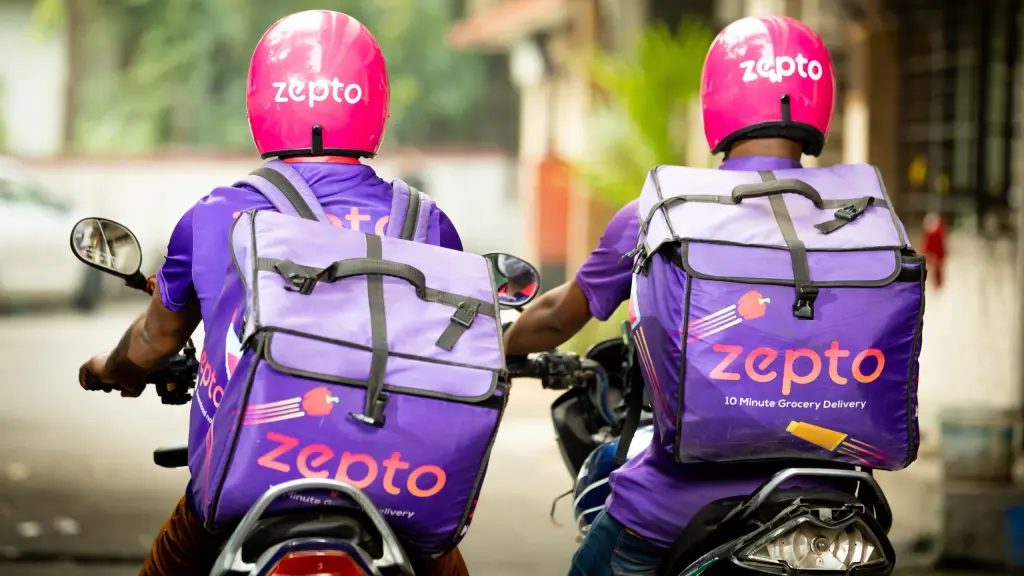
Zepto riders in India / Photo credit: Zepto
India’s markets have shown a willingness to back loss-making consumer internet companies. Food delivery app Zomato, whose corporate entity rebranded as Eternal last year, is a clear example.
Owning the shelf
Before the window closes
Stay ahead in Asia’s tech landscape
This is premium content. Subscribe to read the full story.
A change in business models is driving Zepto’s rush to IPO. The move could decide the Indian firm’s future.
We know this is not ideal. ⌛ Sign up in 20 seconds. Cancel anytime.
Our subscriber community includes professionals from these companies:





Stay updated on the go with our mobile app.
Get latest insights with smoother, more personalized experience through TIA mobile app.