- Premium Content It takes our newsroom weeks - if not months - to investigate and produce stories for our premium content. You can’t find them anywhere else.
 Joe Gan · · 9 min read
Smove endured layoffs and a stalled Uber partnership, but not Covid-19
Every startup has earned its fair share of battle scars, and Singapore-based Smove Systems is no exception. Since it was established in 2011, the car-sharing startup had recovered from failed expansion plans and a round of retrenchments, survived a halted partnership with Uber, and even teetered on the brink of bankruptcy several times.
Things finally looked up for Smove in 2020. The firm had gotten rid of expensive long-term lease cars that numbered in the hundreds and was eyeing a path to profitability.
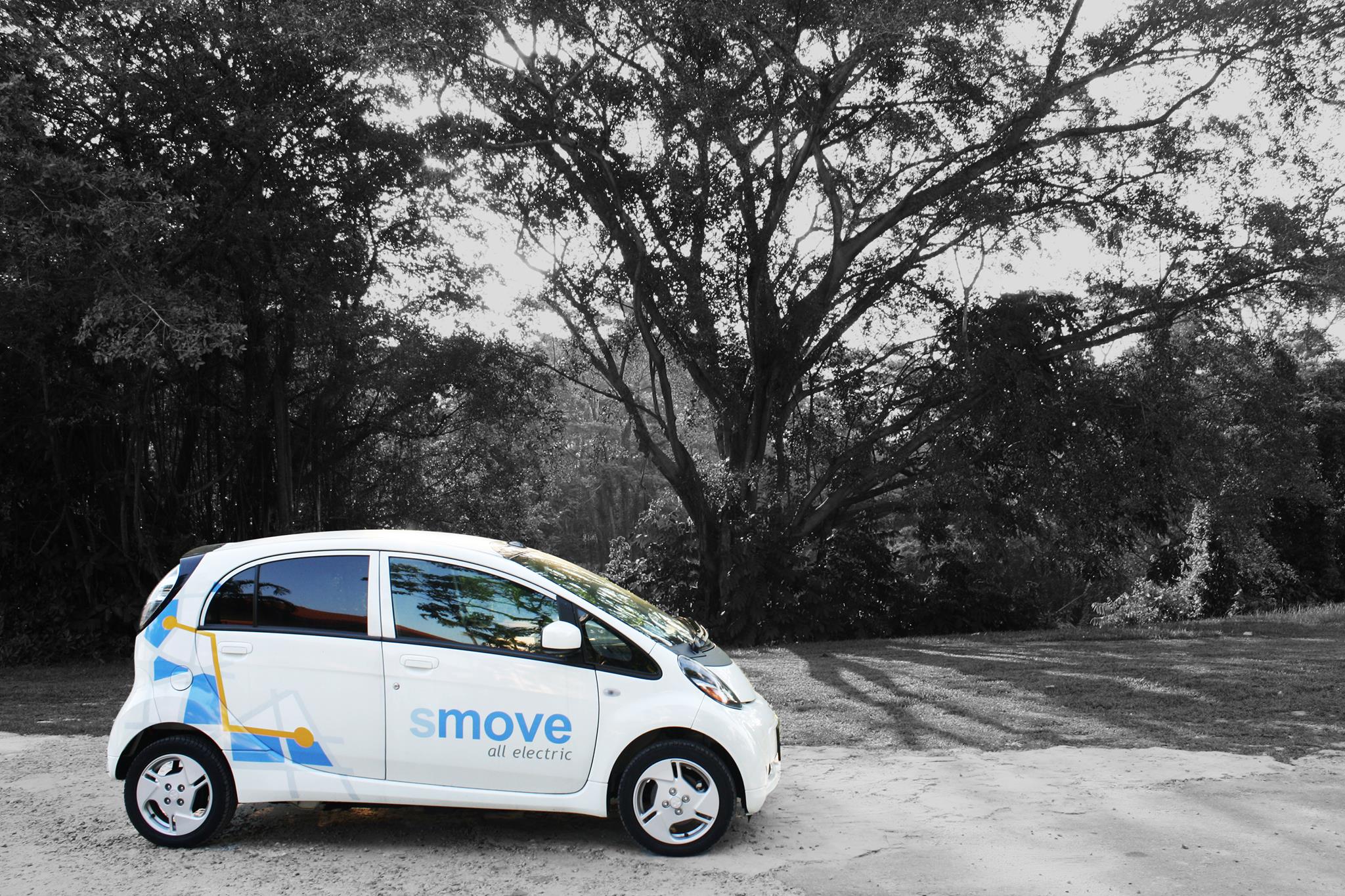
Smove Singapore is now undergoing liquidation. / Photo credit: Smove
But then Covid-19 struck, causing the company’s April revenues to drop by 85% compared to January. When the Singapore government decreed that nonessential businesses had to cease operations during the country’s circuit breaker period, co-founder Tom Lokenvitz decided it was the end of the road for Smove Singapore, the startup’s operations arm.
“We were already a sick patient when the pandemic started,” Lokenvitz tells Tech in Asia in an exclusive interview. “Since our revenue went to zero almost right away, we had no chance to continue operations and we were not able to meet our debt obligations. That’s why we needed to look into liquidation.”
He also clarified that contrary to erroneous media reports, parent firm Smove Systems will stay in business “for now.”
Burdened by leases
Operating off its fleet of leased cars, Smove offered customers a “free-floating service,” which means they can pick up a vehicle from the nearest location, drive to their destination, and drop off the vehicle at any of its designated drop-off points. At its peak, Smove had over 470 vehicles in its fleet, which were accessible at over 130 places around Singapore.
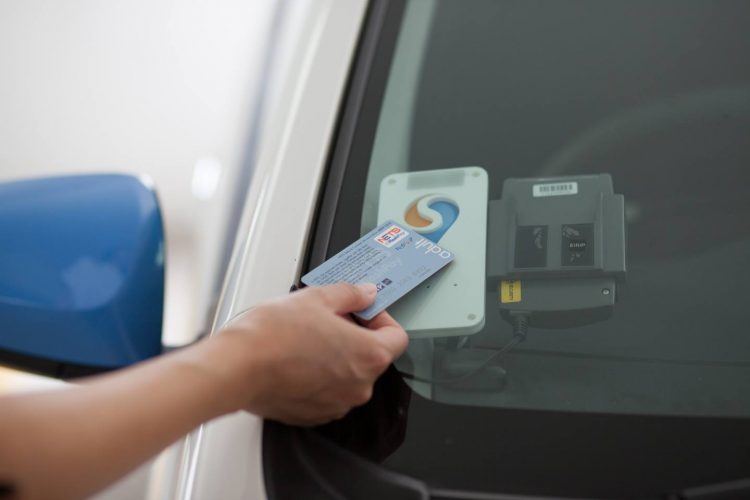
Smove’s smart hardware unit / Photo credit: Smove
It quickly gained popularity for its ease of use. Drivers only needed to tap a prepaid travel card called EZ-Link on a device attached to the cars to gain access. All Smove vehicles had a push-to-start button, so no keys were required, and they could be accessed 24/7 through its mobile app without the need to make a deposit.
“You skipped signing papers, going to an office, or other troublesome things that you have to do with traditional rental car companies,” says Lokenvitz.
And users could take the car for short drives, paying just S$1.25 (less than US$1) per 15-minute block, with mileage charges starting from S$0.21 (US$0.15) per kilometer, subject to petrol prices. For longer durations, prices start at S$50 (US$35) for a minimum booking of three hours, depending on the car category and usage type.
But the burden that dragged the car-sharing startup to its demise was the “unavoidable” monthly fees for long-term car leases that it signed in 2015. These vehicles cost S$1,800 (US$1,298) per month to rent, as those prices then were pegged to higher Certificate of Entitlement (COE) prices in 2015.
The decision to continue paying the long-term leases was “unsustainable” as the “unit economics did not make sense,” according to ex-Smove employees who spoke to Tech in Asia on condition of anonymity. As one of them points out, “If there are fixed monthly recurring costs in the form of leases for your car fleet on top of personnel costs, the impact of low to zero revenue is even larger for your cash position.”
Costs and losses
The Uber hangover
Moving on
Stay ahead in Asia’s tech landscape
This is premium content. Subscribe to read the full story.
Covid-19 has claimed another startup. But even before the pandemic struck, the ride hasn’t been smooth for the car-sharing network, says its co-founder.
We know this is not ideal. ⌛ Sign up in 20 seconds. Cancel anytime.
Our subscriber community includes professionals from these companies:





Stay updated on the go with our mobile app.
Get latest insights with smoother, more personalized experience through TIA mobile app.












📅 Upcoming Events
22 October 2026
Payoneer x CSPN Summit 2026