Eva Xiao · · 6 min read
Amid crackdown on foreign shows, China’s youth flock to Bilibili with their own content
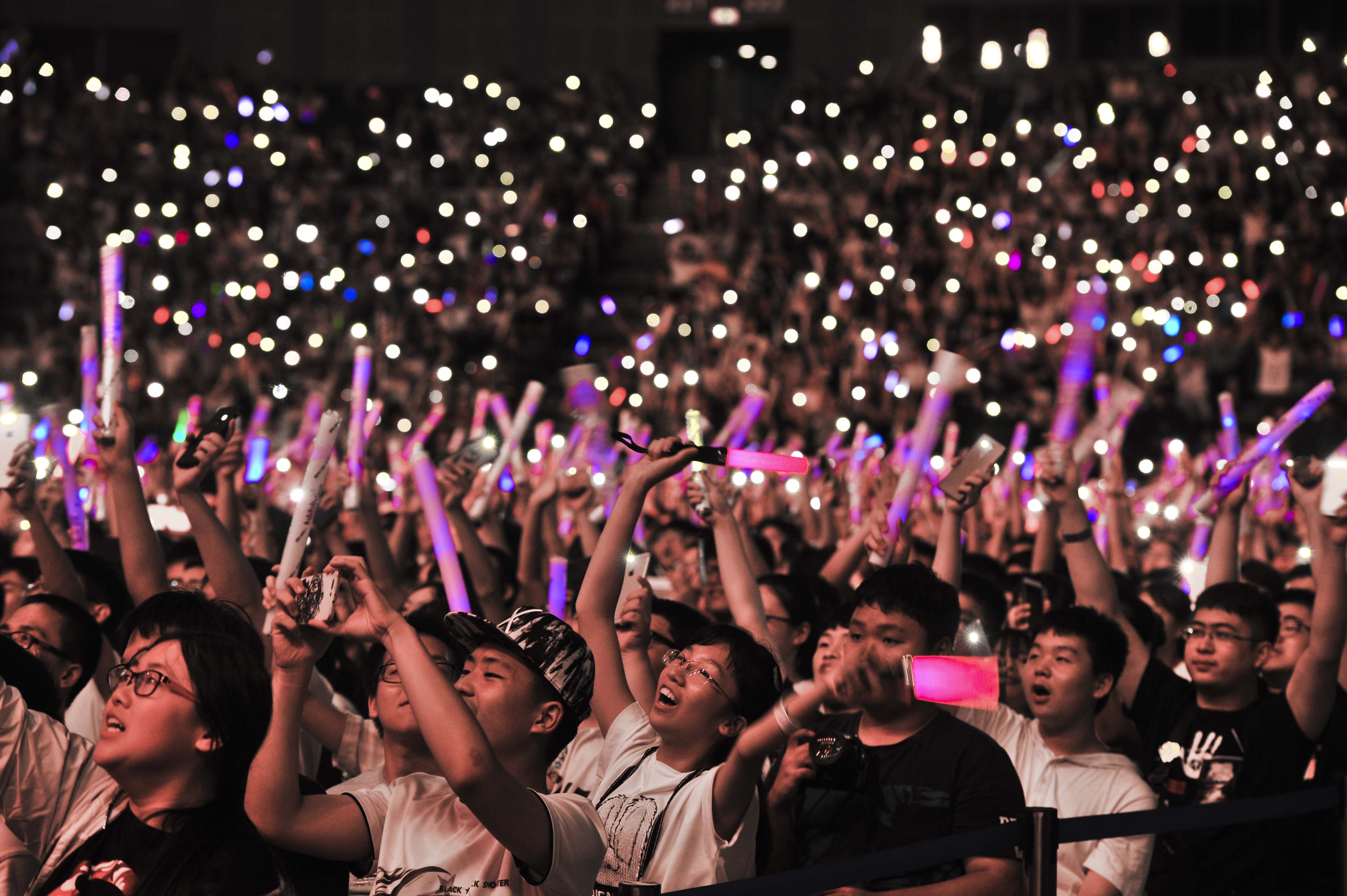
Teenagers going wild at Bilibili’s annual concert. Photo credit: Bilibili.
At the Mercedes-Benz stadium in Shanghai, the rows are packed with teenagers. More than ten thousand of them are here, a glowstick-armed crowd that erupts in a sea of bobbing light as the music starts. A group of girls scream as the singer appears on stage. The boy next to me whips out two smartphones – one in each hand – and starts recording.
It would be like any other concert except the singers aren’t typical celebrities. They’re all users of Bilibili, one of China’s largest fan sites for anime, comics, and gaming (ACG). For many of them, this is their first time performing on stage.
“Bilibili is not only a video website […] but also a space for fan communities to share and discuss their own products,” explains Yiyi Yin, Ph.D student and research assistant at the Chinese University of Hong Kong, who studies and writes about youth culture in China.
“On Youku and Iqiyi, these fan-made products are not regarded as important content,” she says, referring to video streaming sites owned by Alibaba and Baidu, respectively. “But Bilibili engages young people to become the producers.”
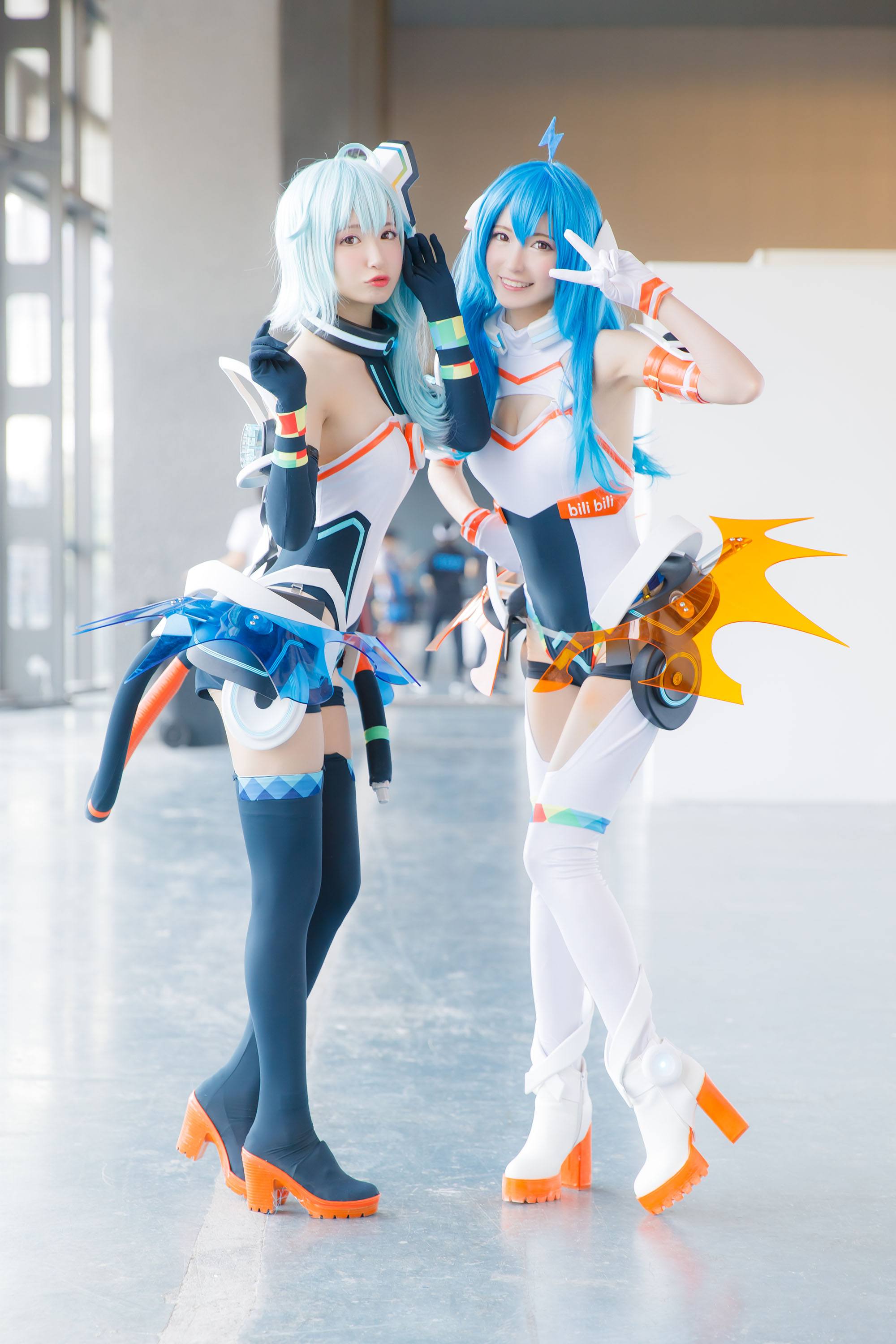
Two teens dressed up as Bilibili’s anime mascots. Photo credit: Bilibili.
In China, the video streaming industry is intensely competitive. Mainstream TV shows and movie streaming are all but dominated by domestic tech giants like Baidu and Tencent, who can afford pricey licensing deals. As a result, the market for user-generated video platforms, where success depends on the strength of the social network, not just the capital to purchase copyrighted work, is hotly contested – and even more so now that live streaming has taken off.
Bilibili, however, is somewhat of an anomaly. Launched in 2009, the Shanghai-based company has not only managed to survive several waves of competition, but has a sizable following comparable to that of Pinterest, with more than 150 million monthly active users. Part of it has to do with the company’s selection of investors, which includes Tencent and IDG Capital. But it’s also a testament to the company’s ability to harness fan culture.
Unlike other video apps, such as Vine-like Miaopai, users on Bilibili are rewarded for fandom, not necessarily fame or popularity. For example, users who want to upload content to Bilibili must first pass a 100-question multiple choice test to prove their love for ACG culture.
After they pass, they can start contributing to the site, whether it’s writing comments or sharing their own videos, many of which are products of some obsession. In that way, they’re able to attract other users not only because of the quality of their work, but because they have a shared appreciation for an anime series or game.

Danmu or bullet commenting is a popular feature on Bilibili. It lets users write comments and watch them fly by in real-time while watching a video.
As a result, about 70 percent of Bilibili’s traffic goes to user-generated content, which ranges from origami tutorials to video game footage and cosplay, where users dress themselves in character costumes. Like Youtube, these content creators can then develop their own fanbase, with the more successful ones sometimes moving on to mainstream platforms, like Tencent Video.
Made in China





Stay updated on the go with our mobile app.
Get latest insights with smoother, more personalized experience through TIA mobile app.