Byron Perry · · 2 min read
Thai Webmaster’s Conviction Means More Self-Censorship for Startups
Byron Perry is the founder of local news and reviews website Coconuts Bangkok.
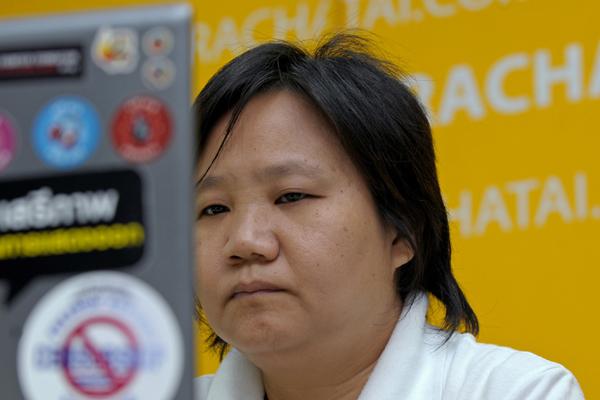
Jiew photographed at work on her site before the ruling today. (Image source: PORNCHAI KITTIWONGSAKUL/AFP/Getty Images)
A landmark ruling on internet freedom in Thailand has caused alarm, with some fearing that it’ll necessitate even more self-censorship for website operators and startups in the country. Webmaster Chiranuch Premchaiporn (known by her nickname Jiew), who manages the political site Prachatai, was found responsible and guilty under Thailand’s Computer Crimes Act for messages left by other people on the site that were deemed insulting to Thailand’s monarchy. The case was unprecedented because Chiranuch did not write the comments herself and maintained that she deleted them as soon as she was aware of them.
Google (NASDAQ:GOOG) was moved to issue a sharp rebuke to the Thai government, saying it would “stifle innovation” on the web in the nation. The search giant opened an office in Thailand last year, and this evening posted a public statement entitled “A threat to the potential of Thailand’s internet economy” in which it harshly criticizes the ruling. The main argument says:
Convicting [Jiew] for something she never wrote sends a clear message to the entrepreneurs and business leaders who run Internet platforms in Thailand that they can and will be penalized for the independent actions of users.
The precedent set by this decision is deeply concerning because Internet platforms, often referred to as ‘intermediaries’ – basically, the tools and sites many of us use every day to connect with friends, family and customers around the world, such as social networks, online marketplaces and web forums – are the foundation of the web.
Telephone companies are not penalized for things people say on the phone and responsible website owners should not be punished for comments users post on their sites. Unfortunately, Thailand’s Computer Crimes Act is being used in this case to do just that.
Jiew was sentenced to a suspended one year sentence but will not do any jail time. The ruling is emblematic of Thailand, some would say, in that it maintains a threatening atmosphere but did not send Jiew to jail, which would have caused an even larger international outcry.
Digital media professionals and bloggers in Thailand, both Thai and international, were abuzz with chatter about the verdict all this afternoon and evening, with most denouncing it. It remains to be seen how much the Thai government will crack down on cases like this – I actually believe not very much – but you can be damn sure that self-censorship, already widely practiced by website owners in Thailand, will increase. And if a webmaster can be convicted for other people’s comments on one’s website, couldn’t Facebook or Twitter be liable for user actions that are deemed illegal? And what punishment would be incurred then? That’s when this issue would really get interesting.





Stay updated on the go with our mobile app.
Get latest insights with smoother, more personalized experience through TIA mobile app.