Michael Tegos · · 7 min read
Q&A: Skyscanner boss on life with Ctrip post-acquisition, future of online travel tech
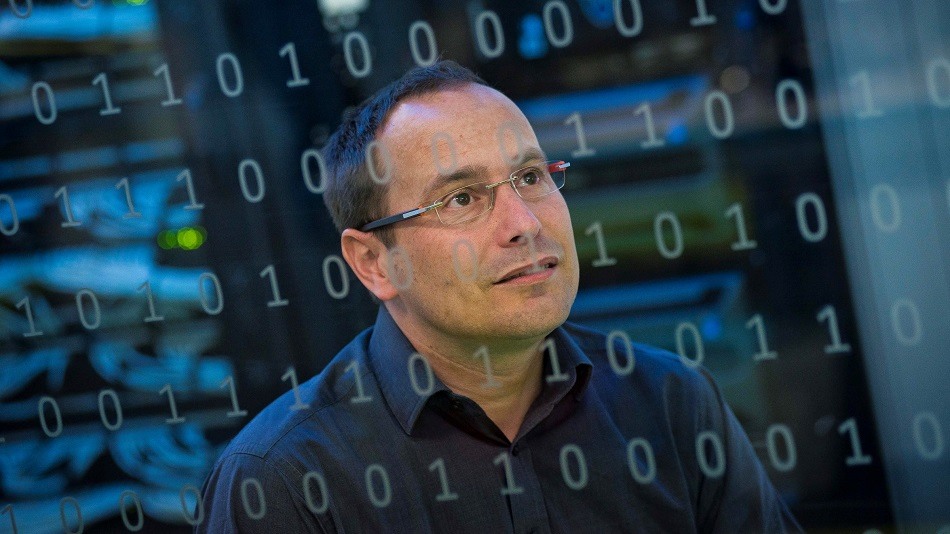
Skyscanner co-founder and CEO Gareth Williams. Photo credit: Skyscanner/VisualMedia.
Online travel site Skyscanner has established itself as one of the most influential air travel marketplaces worldwide. The Scotland-born startup has grown to a global company with more than 900 employees in 10 offices around the world, claiming over 60 million monthly active users and an equal number of downloads.
It opened its Singapore office in 2011, setting up its Asia-Pacific headquarters in the city-state, and acquired Chinese travel search startup Youbibi three years later.
But the company truly made headlines in Asia late last year, when it was announced that Chinese online travel giant Ctrip acquired Skyscanner for US$1.74 billion.
I think we’re still a company that seeks to find its ultimate product-market fit.
Post-acquisition, Skyscanner is working to bolster its position in the market against companies like Ctrip’s US rival Expedia, as well as address a market that’s changing through evolving technology and user savviness.
The market is frothing, as online travel sales generated US$564.9 billion in 2016 and the number is expected to grow to US$817.5 billion by 2020, according to Statista.
Skyscanner’s latest tech efforts include automation, developing chatbots for a variety of platforms like Facebook Messenger, Skype, and Amazon’s Alexa. The company says India has the most Facebook bot users, with the Philippines and the US following.
Skyscanner co-founder and CEO Gareth Williams visited the company’s Asia-Pacific headquarters last week, and we caught up with him for a conversation about how things stand for the company and what the near future looks like.
Below is a condensed and edited version of our interview.
I read somewhere that you couldn’t make that first meeting with Ctrip because something happened to your passport. Is that true?
I don’t think it was the first meeting! But I tried to apply for a transit visa because I wouldn’t have been able to get a proper visa in time for the meeting. Immigration wasn’t having that Edinburgh – Amsterdam – Shanghai – Amsterdam – Edinburgh was a transit, as much as I tried to persuade them that it was!
Skyscanner had been in Asia-Pacific for a while before the Ctrip deal. When did you realize the deal was the right decision for the company?
When we came to Asia, I got the opportunity to meet different travel companies here, including Ctrip. We had a relationship with the leadership team there for some time.





Stay updated on the go with our mobile app.
Get latest insights with smoother, more personalized experience through TIA mobile app.