 Harsimran Julka · · 6 min read
Singapore’s been poaching India’s startups. Will Modi’s new plan stem the exodus?
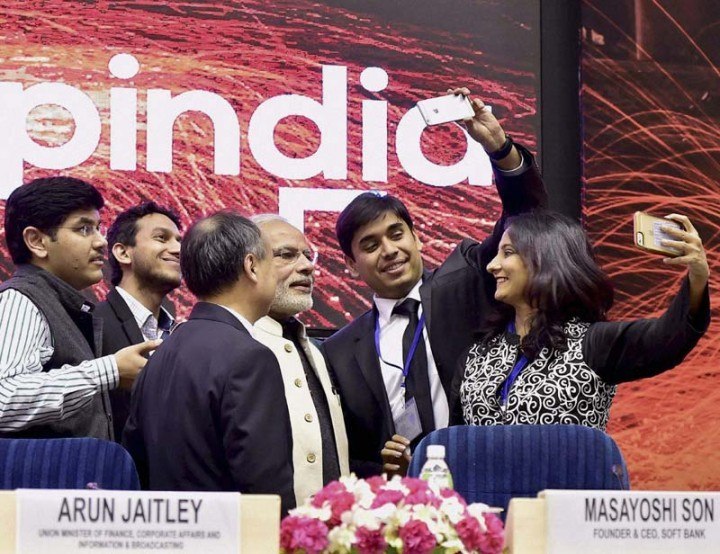
(Holding phones) MapMyGenome CEO Anu Acharya and InMobi CEO Naveen Tewari, click a selfie with Indian Prime Minister Narendra Modi at Startup India event. Photo Credit: The Financial Express
Every year, 70 year-old Kanwal Rekhi, co-founder and managing director at Inventus Capital Partners, flies down from the US to Mauritius with his board members. It is an annual pilgrimage of sorts.
“Last month, I went on the annual trip. The next day, we held a board meeting and flew to India in the evening, where all the investments happen,” says Kanwal, an investor in companies such as redBus, Savaari, Vizury, and PolicyBazaar.
Like Kanwal, dozens of India-focused venture capitalists make the once-a-year trip to Mauritius which offers tax exemptions to such VC funds. The investors get their passports stamped, then fly back to Bangalore or Delhi to invest in young ventures.
Most of the Indian startups who go on to raise venture capital choose incorporation outside India and register their headquarters in the US, Singapore, Mauritius, and other places. Take any of India’s startup superstars for example. Flipkart, Grofers, Druva, InMobi – they operate within India but are headquartered outside the country. Capillary Technologies, Near (called AdNear earlier), Mobikon, U2opia Mobile, and TonBo Imaging are all examples of Indian startups which migrated to Singapore.
To stem this exodus of startups and investment firms to foreign shores, India’s prime minister Narendra Modi launched his startup action plan (PDF) last week in Delhi. While the PM’s startup plan addresses concerns of entrepreneurs, it has little to offer for investors, many feel.
Port Louis, a hub for Indian VCs
Modi, during his much-talked-about Silicon Valley trip last year, met Kanwal and 30 other US-based investors who have been urging some law rehaul.
Mauritius allows capital gains tax exemption to VC funds upon exits. India does not. As a result, all the large VC firms active in India – Helion, Accel, Bessemer, Clearstone, Matrix, Nexus Venture Partners, Sequoia Capital, and Norwest Venture Partners – call picturesque Port Louis their home. Often the same Mauritian address houses several dozen VC firms.
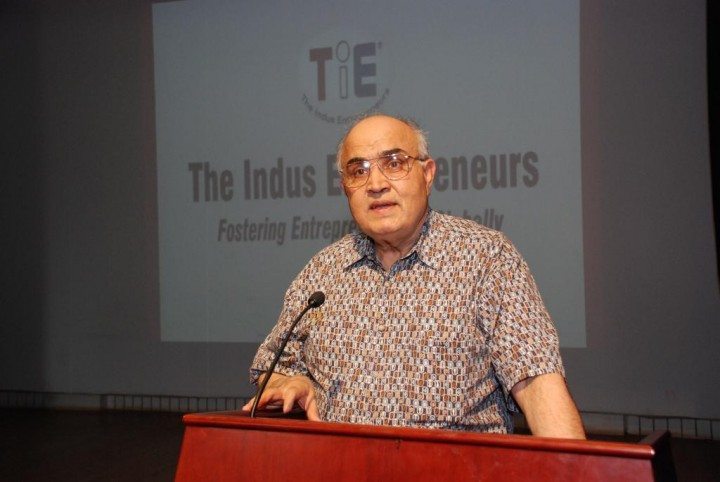
Kanwal Rekhi, Founder Inventus Capital Partners, makes a trip to Mauritius, every year. Photo credit: TiE Hubli
“‘Why go to India through Mauritius and Singapore?’ is the question every global investor has on his mind for PM Modi,” says Manu Rekhi, Kanwal’s nephew who led a team of professionals from Silicon Valley and worked with Amitabh Kant, secretary at department of industrial policy and promotion, to draft India’s latest startup action plan. Manu is also a director with Inventus.
“That’s how all the lawyers make money,” he says. About 34 percent of India’s foreign direct investment (FDI) comes through Mauritius, a small island nation.
Register overseas, VCs tell entrepreneurs
Some issues such as convertible notes, non-taxed exits, and tax breaks are all that investors expect to be resolved in the upcoming budget.
Capital gains tax on non-Indian investment firms is another major concern awaiting some action.
Singapore poaching India’s entrepreneurs





Stay updated on the go with our mobile app.
Get latest insights with smoother, more personalized experience through TIA mobile app.









📅 Upcoming Events
22 October 2026
Payoneer x CSPN Summit 2026