- Premium Content It takes our newsroom weeks - if not months - to investigate and produce stories for our premium content. You can’t find them anywhere else.
 Thu Huong Le · · 5 min read
M Village, Vietnam’s new proptech star, must pass scaling challenge
Nguyen Hai Ninh might not be the typical tech startup founder as his companies tend to be heavy on operations, but their visibility is hard to ignore.
In 2021, Nguyen left The Coffee House, which he co-founded, after scaling it to almost 200 stores across Vietnam. Now, he’s at the helm of M Village, a new-age hospitality operator in the country.
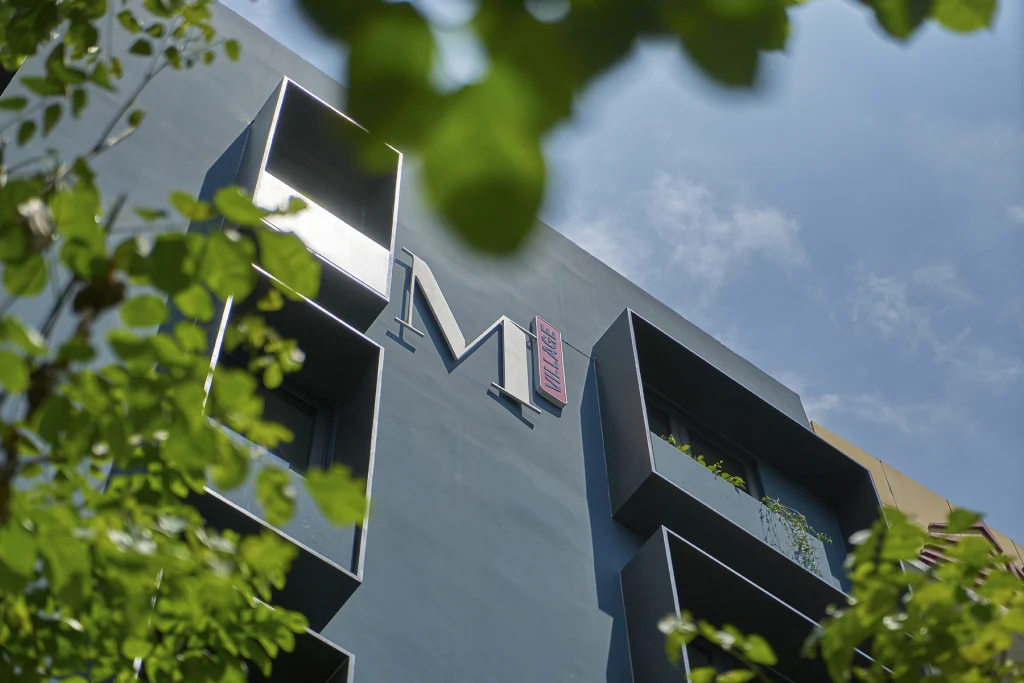
M Village’s headquarters in District 3, Ho Chi Minh City / Photo credit: M Village
Within just a few years, M Village has close to 40 properties across Ho Chi Minh City and Hanoi. “M” stands for modern or millennials, while “Village” refers to its vision of fostering a communal atmosphere.
A few weeks ago, the company opened its first hotel in downtown Hanoi under the M Village Signature brand, competing in the affordable but luxury short-stay category.
“We’re not another Oyo or RedDoorz, because we operate these facilities ourselves to ensure consistent quality,” Nguyen says in a recent interview with Tech in Asia.
M Village has raised about US$4 million in disclosed funding, according to Crunchbase data. Nguyen also confirmed that the startup has recently completed an undisclosed series B funding round. A recent DealStreetAsia report suggested that the US$10 million series B round was led by Trip.com.
At a time when Vietnamese proptech startups have been struggling amid a frozen real estate market, including the high-profile collapse of SoftBank-backed Propzy in 2022, can M Village defy the odds?
A new co-living way
M Village doesn’t strictly follow the co-living model, as it accommodates long-term rentals, short-term stays, and weekend staycations. However, its primary target segments remain millennials and Gen Z.
Nguyen emphasizes that each M Village location wants to offer a “home-like vibe” where “work, travel, and living blend together,” avoiding the impersonal feel of hotels and the inconsistency of individual Airbnbs.
The company says its core competitive advantage is its ability to design and optimize self-service communal spaces that incorporate the “local vibe.” For example, the design of its recently opened hotel in Hanoi was inspired by the fabric dyeing trade of the city’s Old Quarter.
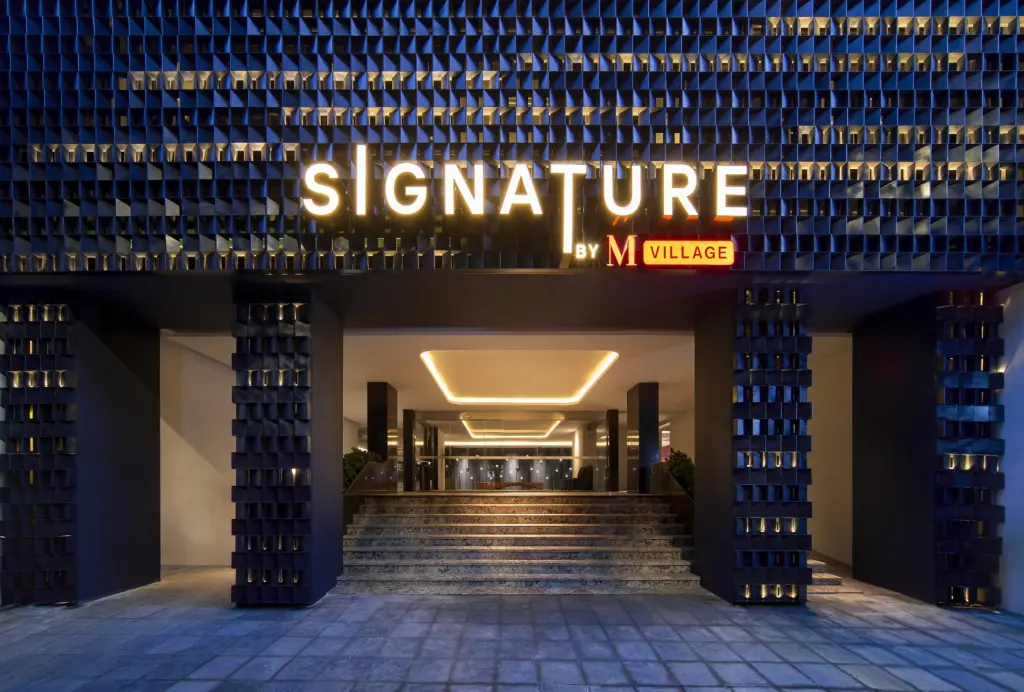
The first M Village Signature hotel in Hanoi / Photo credit: M Village
To that end, it has two main product lines. M Village Signature offers short-term stays in prime locations, while standard M Village properties cater to a mix of stays (65% short-term, 35% long-term) and are situated on secondary streets, which are often narrower and have less traffic.
Scaling challenges
Stay ahead in Asia’s tech landscape
This is premium content. Subscribe to read the full story.
The startup combines flexible accommodation options to compete with large hotel brands, but can it defy Vietnam’s challenging proptech landscape?
We know this is not ideal. ⌛ Sign up in 20 seconds. Cancel anytime.
Our subscriber community includes professionals from these companies:





Stay updated on the go with our mobile app.
Get latest insights with smoother, more personalized experience through TIA mobile app.