Grace Priscilla Teo · · 5 min read
Inbound vs. Outbound: one is for AI, the other for humans
This article summarizes an episode of Lenny’s Podcast’s video series featuring Jeanne DeWitt Grosser, COO of Vercel.
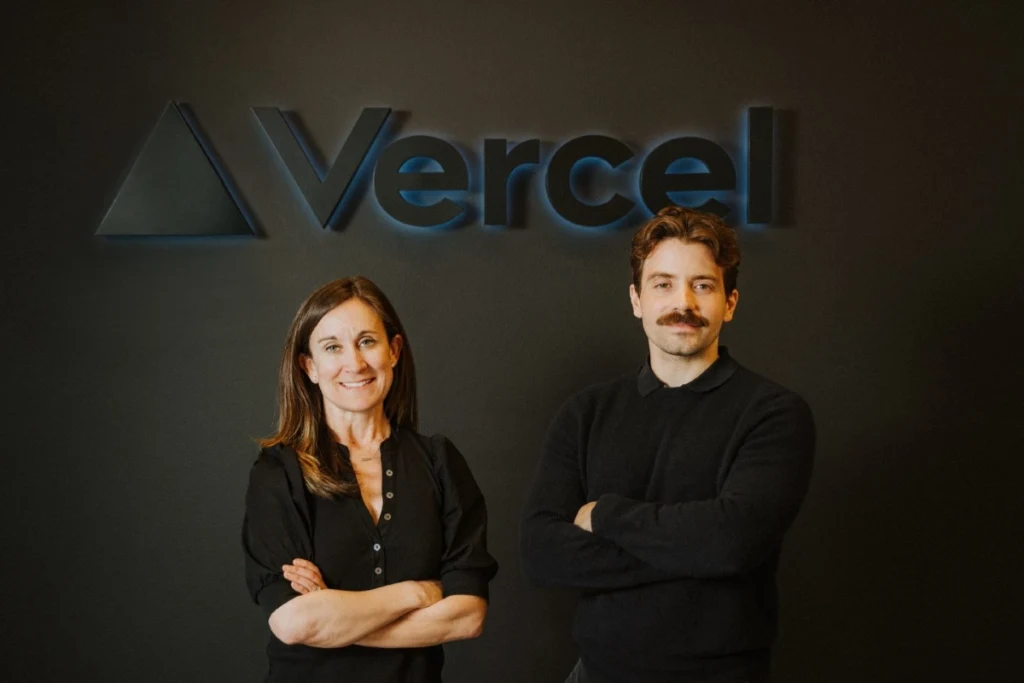
Jeanne DeWitt Grosser (left), COO of Vercel / Photo credit: Vercel
Jeanne DeWitt Grosser built go-to-market (GTM) teams at Stripe and Google before joining the cloud platform Vercel as its COO. She believes GTM is becoming more important in the AI era, proposing that sales teams must expand beyond just closing deals to become a center of research and development for the company.
Fixing the broken promise of sales automation
Automating the detailed work of a sales development representative (SDR) has been a goal for tech companies, but for years it didn’t work because early versions made too many mistakes.
Moving people to more important work
Once the automation became reliable, the structure of the sales team changed.
Grosser explains, “We had 10 SDRs doing this inbound workflow and now we just have one that is effectively QA-ing the agent. The other nine, we deployed on outbound. So we got to move them up the value chain.”
A smaller investment than expected
Modern tools allow companies to build strong agents quickly without a big budget or large team. But to do it right, Grosser says the secret is to copy the best humans. Engineers must watch the top salespeople work to see the small habits that make them successful, then build the AI to match those steps.
She states, “The person who built the lead agent was a single go-to-market engineer. He spent maybe 25-30% of his time on this. It was six weeks before we felt confident going from 10 to one. So it wasn’t a multi-quarter process.”
The signal was response time
Grosser believes speed is the single biggest factor in winning a deal for inbound inquiries. The AI agent improves conversion rates simply by responding instantly, removing the wait times that cause leads to go cold.
“The agent is as good as our humans were,” Grosser explains, “but it’s actually condensed the number of touches it takes to convert because it’s so much quicker at responding relative to leads inevitably sitting in the queue. So, that’s sort of when we knew it was ready to pull nine people off.”
Using AI to find hidden risks in deals
Beyond saving time and money, these agents provide a level of visibility that was previously impossible. Teams can now check sales performance with more accuracy by studying actual customer conversations instead of relying on a salesperson’s opinion.
Why deals are lost
When a deal is lost, the reason put into the sales software is often a guess. A salesperson might blame the price, but the real reason is often hidden in calls and emails that no one reviewed.
Grosser notes, “The biggest loss that quarter, according to the account executive, was lost on price. When you ran the agent over every Slack interaction, every email, and every [sales] call recordings, it said, ‘Actually, you lost because you never really got in touch with the economic buyer.’ And when you talked to somebody about ROI, it was clear they didn’t really buy your math.”
From reviewing the past to guiding the present
By changing from studying past deals to watching current ones, AI can give live coaching to stop deals from failing.
A plan to group customers in different ways
Sales must be a part of R&D





Stay updated on the go with our mobile app.
Get latest insights with smoother, more personalized experience through TIA mobile app.