- Insights This article was written by a TIA community member. Insights pieces undergo the same rigorous editorial process that newsroom-produced articles have.
 Mathias Goh · · 5 min read
SG gig worker bill: Higher costs, stronger incumbents?
In Singapore, the relationships between workers and tech platforms like Grab, Foodpanda, and Deliveroo could be in for a big change if a piece of draft legislation is adopted.
The Singapore Parliament will soon debate the “Platform Workers Bill,” which aims to provide more legal protections for a certain class of gig workers.
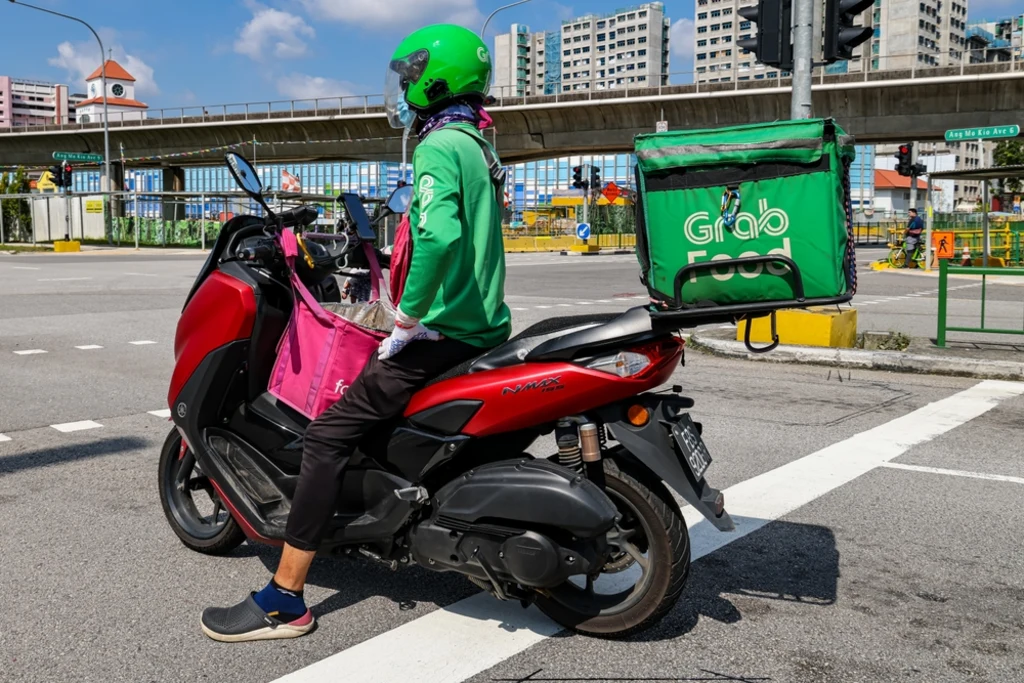
A GrabFood delivery rider on the road / Photo credit: Dr David Sing / Shutterstock
Adopting the bill would likely increase costs for platform operators, potentially entrenching already dominant players and making it harder for new entrants to compete.
State of platform play
At present, the key legislation that provides legal protections to workers is the Employment Act. As the name would suggest, the Employment Act only covers employees, whether full-time or part-time.
It does not cover self-employed people or independent contractors, including what we often understand as gig workers. Under the terms of the bill, these platform workers would be designated as a distinct class of individuals, separate from employees and the self-employed.
The Platform Workers Bill only covers a specific subset of gig workers, namely those who rely on what it calls “online matching platforms.” These platforms are those that provide either delivery or ride-hailing services, including Grab, Foodpanda, and Deliveroo.
Those that provide other services, such as ecommerce delivery, for example, will not be covered by the proposed provisions of the bill. However, this may change in the future if Parliament decides to expand the scope of the legislation.
See also: TikTok and Grab are set to collide
The bill is a follow-up from an announcement in November 2022, where the government noted concerns that platform workers had an “employee-like relationship” with online platforms but did not enjoy the legal protections regular employees have under the Employment Act. News reports covered stories of how some platform workers would struggle to afford housing and provide basic necessities for themselves and their families.
Based on recent data from the Ministry of Manpower in November 2023, the number of regular platform workers in Singapore was more than 70,000.
Nuts and bolts
The proposed protections under the Platform Workers Bill include workplace injury compensation, greater levels of contributions to the Central Provident Fund (CPF) savings scheme, and formal representation.
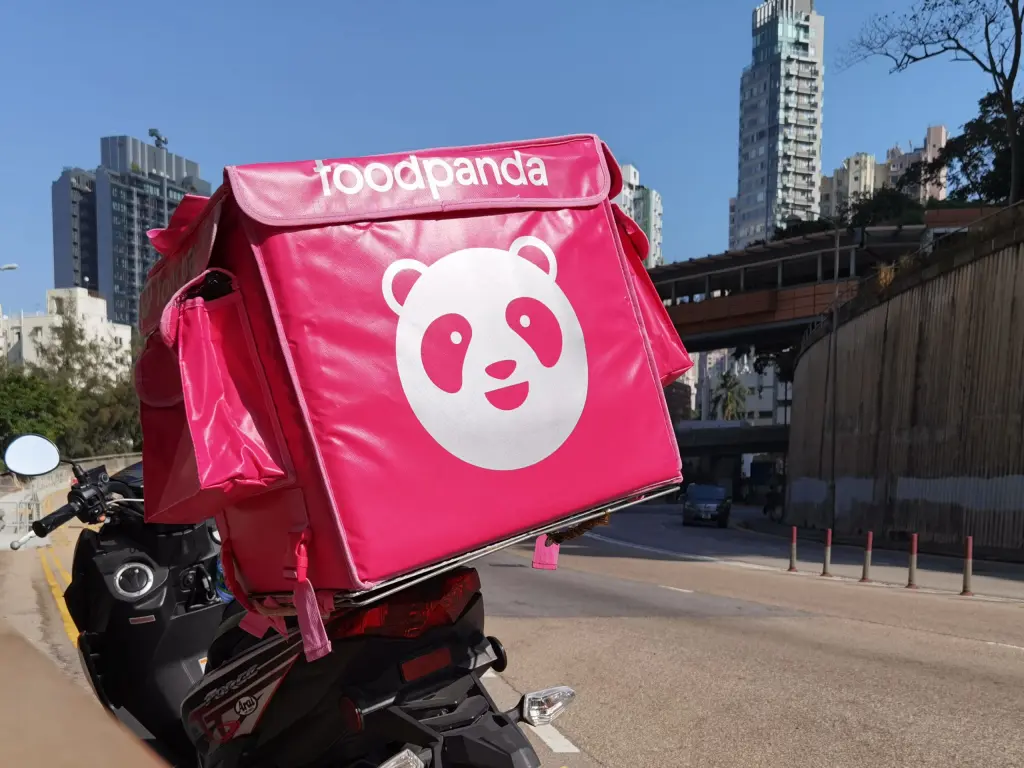
Photo credit: James Jiao / Shutterstock
Impact on the ground
Stay ahead in Asia’s tech landscape
This is premium content. Subscribe to read the full story.
Singapore’s Platform Workers Bill could reshape gig work and boost costs for platforms like Grab, Foodpanda, and Deliveroo.
We know this is not ideal. ⌛ Sign up in 20 seconds. Cancel anytime.
Our subscriber community includes professionals from these companies:





Stay updated on the go with our mobile app.
Get latest insights with smoother, more personalized experience through TIA mobile app.