Terence Lee · · 6 min read
Key ingredients for a compelling startup community, as told by Brad Feld
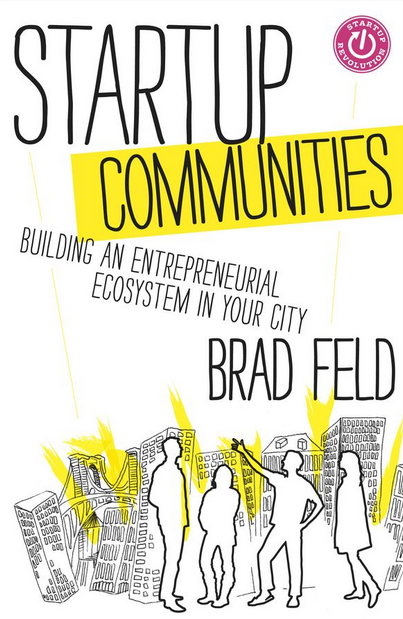 For a while, I’ve been fascinated by indices — the Startup Genome project and Global Innovation Index are great examples — that purport to show the health of a startup community and its propensity for innovation.
What makes each index unique is the criteria used to judge a particular ecosystem’s maturity. But aside from the fact that gathering useful data is a problem, these factors need to be weighed to determine if they’re more signal than noise.
Evaluating these signals however seems more art than science. That however shouldn’t stop us from making attempts to do so. With that in mind, I read Startup Communities, a breezy read by venture capitalist Brad Feld that can be skimmed through in a day.
In it, he describes the ingredients that every community needs to succeed, citing examples from Boulder, Colorado, a thriving ecosystem that Brad calls home.
Here’s my attempt to synthesize his points with my own observations.
The key ingredients
A thriving ecosystem has constituents that it cannot do without. Strikingly, a lot of these ingredients have more to do with people and culture than hard metrics like funding rounds and number of exits.
Entrepreneur-leaders
A community has many players: Entrepreneurs, investors, universities, support services, big companies, governments, and spectators. All are important to the health of the community. Yet only one group should be placed on the pedestal above all others: The entrepreneurs. Everyone else are just feeders.
Singapore, and pretty much any other burgeoning ecosystem in the world need their own success stories. But success (read: having a nice, fat exit) alone does not equate one with being a leader. They should also possess these traits:
- Community organizers involved in roping in others, identifying potential leaders, and helping to lead events that benefit the community.
- Spokesperson for other entrepreneurs. This doesn’t necessarily mean writing long spiels in a blog, but rather acting as intermediaries that provide feedback to other players in the ecosystem. It means telling the government whether certain initiatives are working or not, or telling an investor that he’s not serving in the interests of a community. They are the connective tissue that bind everyone together.
- Leaders are in for the long haul. Not five years. Not ten. But twenty years, suggests Brad. Community-building is a long-term commitment designed to outlast governments and economic cycles. When things go south, look for them to stick around and steady the ship.
Entrepreneurs should ideally be the leaders in startup communities. Things tend to go haywire when feeders lead because fundamentally, they possess a different mindset from entrepreneurs and have different priorities.
Altruistic spirit
In essence, altruism is the act of giving freely with no expectation of immediate returns.





Stay updated on the go with our mobile app.
Get latest insights with smoother, more personalized experience through TIA mobile app.