- Premium Content It takes our newsroom weeks - if not months - to investigate and produce stories for our premium content. You can’t find them anywhere else.
 Yong Jun Yuan · · 7 min read
Is Singapore losing out on the AI chip boom?
Co-written by Sharon See
The global AI boom is spurring some countries to vie for dominance in making leading-edge microchips – but not Singapore.
The city-state’s focus on “mature-node chips” – used in appliances, cars, and industrial equipment – means its semiconductor ecosystem may have limited exposure to the AI boom, says Maybank economist Brian Lee.
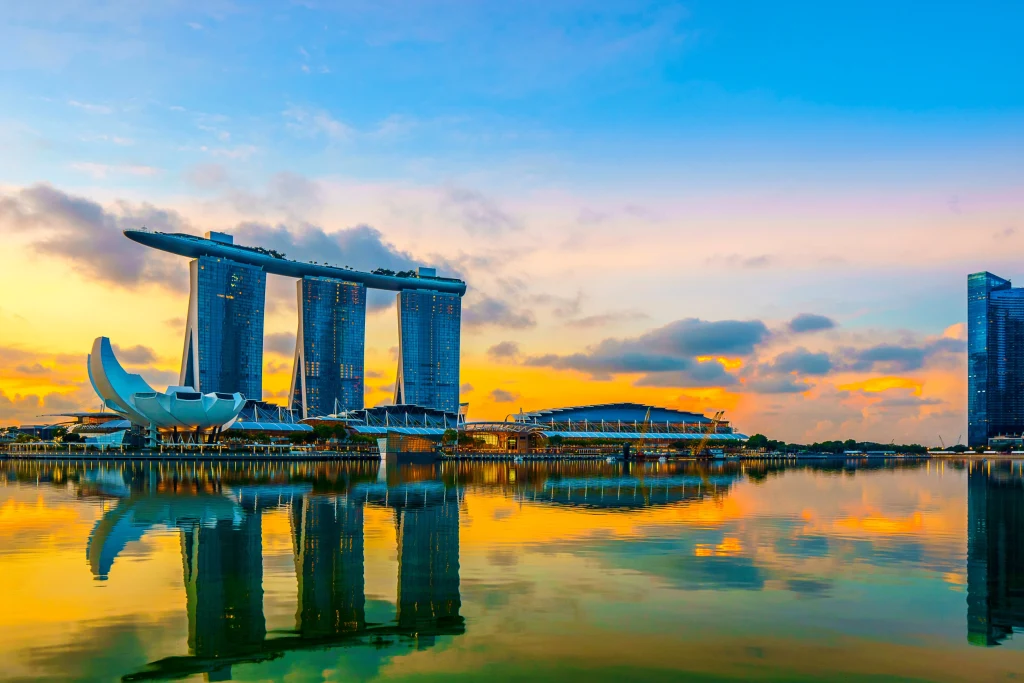
Photo credit: bee32 / 123RF
Yet industry watchers do not see this as a concern, as the market for mature-node chips is much larger than that for leading-edge ones.
The chips that Singapore makes are for the mass market, says Ang Wee Seng, executive director of the Singapore Semiconductor Industry Association (SSIA).
No appetite for AI chips
AI chips are made to provide high computing power and responsive speed, says Tilly Zhang, a China technology analyst from Gavekal Research.
In contrast to mature-node chips that use so-called “process node” technology of 28 nanometers (nm) or more, cutting-edge AI chips have process nodes of 7 nm or less, and thus require specialized production methods. Current research focuses on developing 2 nm to 3 nm chips.
“That’s something that Singapore will not produce because first and foremost, we don’t have the extreme ultraviolet (EUV) lithography in our fabs here – none of them have that technology,” says Ang, referring to the manufacturing technology for these smaller chips.
Taiwan and South Korea dominate the global AI chip supply as only three companies in the world have the required capability to produce them: Taiwan Semiconductor Manufacturing Company (TSMC), Samsung, and Intel.
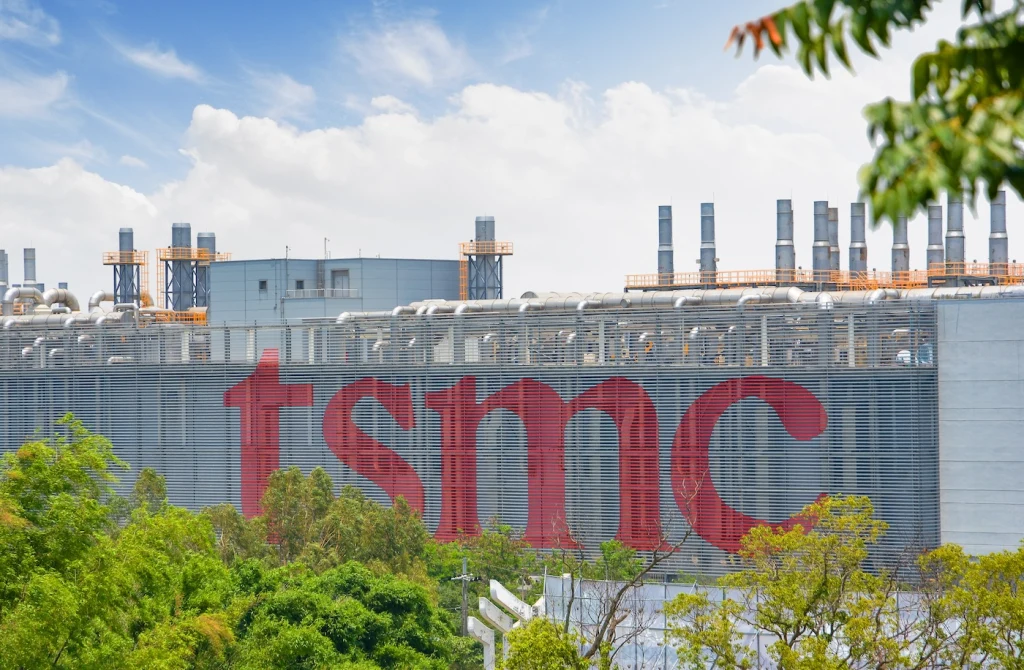
Photo credit: Vidpen / Shutterstock
Cost is a major hurdle. There is only one maker of EUV lithography machines and its products cost US$180 million each, excluding yearly maintenance costs, according to Trendforce.
The high barrier to entry is why most chips optimized for AI are made by Taiwan-headquartered TSMC, which is considered more mature, advanced, and reliable than Samsung, said Zhang. She estimates TSMC’s market share to be about 90% to 95%.
Indirect opportunities
Decades of advantage
Losing and winning
Attracting talent
Stay ahead in Asia’s tech landscape
This is premium content. Subscribe to read the full story.
The city-state’s focus on mature-node chips means its semiconductor ecosystem may have limited exposure to the AI boom, says an analyst.
We know this is not ideal. ⌛ Sign up in 20 seconds. Cancel anytime.
Our subscriber community includes professionals from these companies:





Stay updated on the go with our mobile app.
Get latest insights with smoother, more personalized experience through TIA mobile app.