Adinda Pryanka · · 3 min read
Shrinking AI chips for power-hungry wearables
This article is a part of Startup Spotlight, a series that features young, up-and-coming startups.
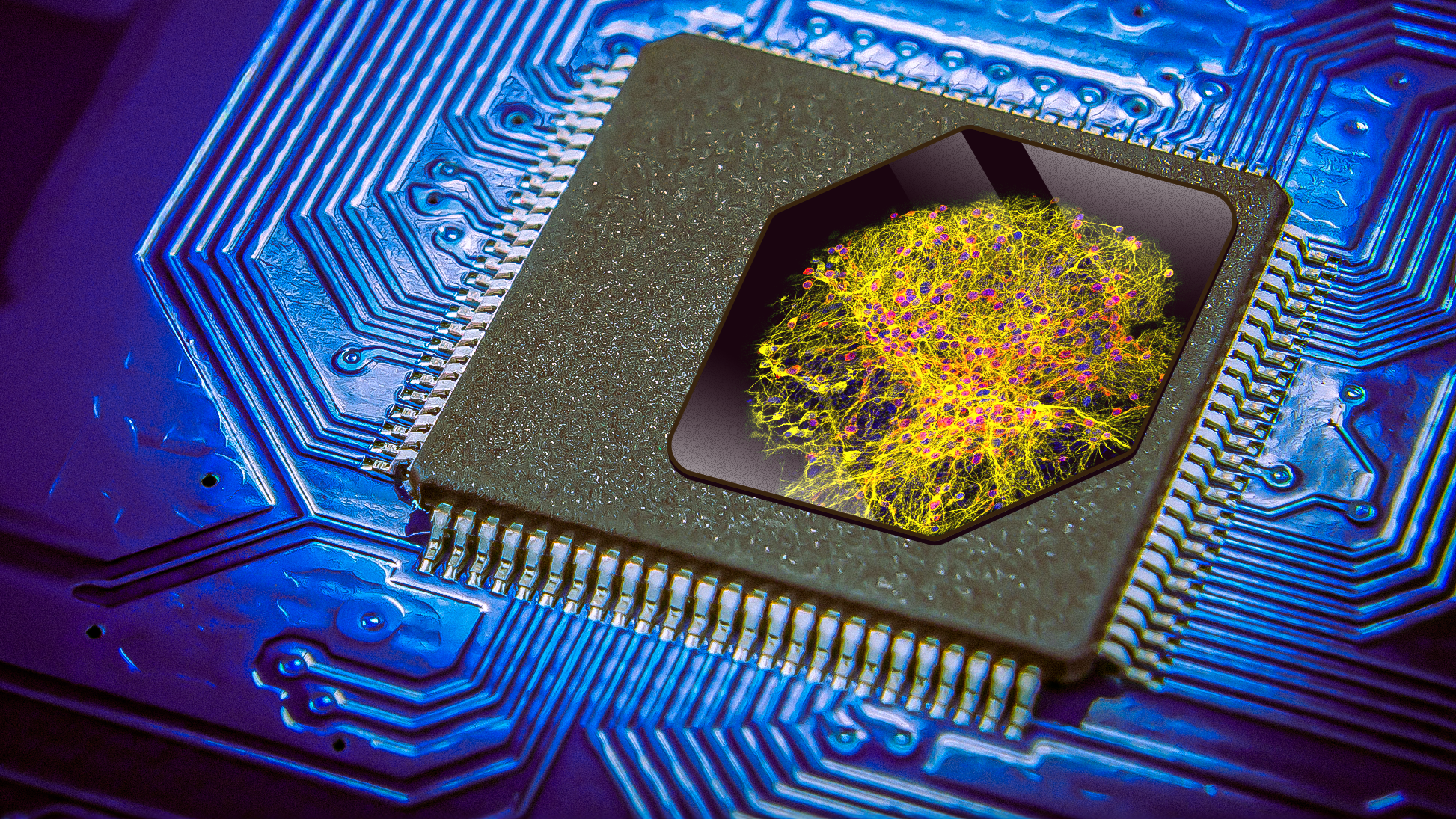
Photo credit: Timmy Loen
Mark Chen spent years in the semiconductor industry developing AI chips and hardware systems. He wanted to channel his technical expertise into making everyday electronics smarter without compromising usability.
To achieve this, he launched Alpenglow Tek to build ultra-low-power AI components for battery-dependent devices.
😟 Problem
Everyday electronics like hearing aids, health monitors, and wearables require battery longevity to function effectively. Adding standard AI capabilities to these small devices drains batteries rapidly and generates unwanted heat.
Manufacturers are often forced to choose between advanced intelligent features and acceptable battery life.
💡 Solution
Alpenglow Tek develops an ultra-low-power neural processing unit (NPU) tailored for lightweight edge applications, including:
- Compute-in-memory architecture: Integrates memory and processing locally to reduce power consumption from data transfer.
- Tensor engine: Handles always-on AI functions like visual wake words and keyword spotting.
- Micro-power operation: Enables advanced sensor recognition in the microwatt to milliwatt power range.
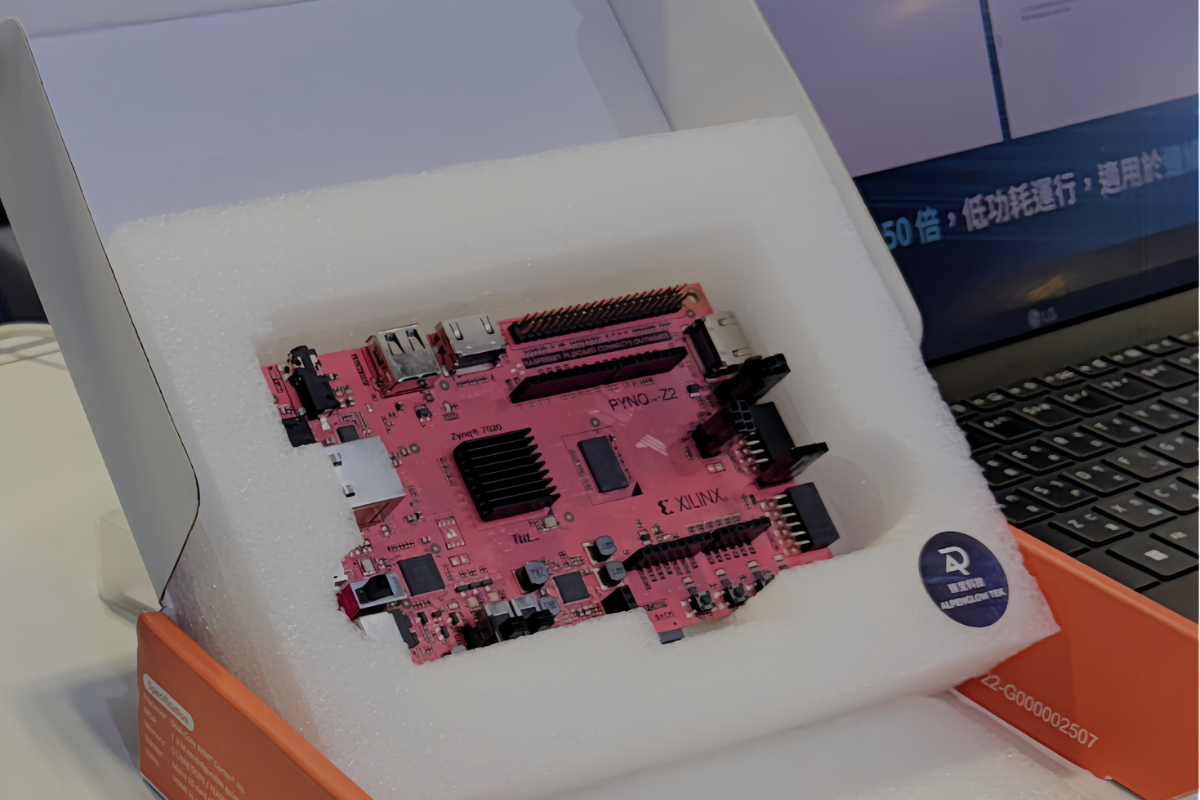
Photo credit: Alpenglow Tek
📊 Market size
The global edge AI market generates an estimated US$81.1 billion annually. Within this sector, always-on and battery-powered devices represent a serviceable market of US$9.2 billion.
The company aims to capture a US$1 billion obtainable market for ultra-low-power applications by 2032.
🤝 Team
- Mark Chen. Co-founder and CEO. He previously developed AI chips at Novatek and DigWise.
- Phyllis Huang. Co-founder and head of business development. She brings strategic partnership experience from ASUS and Cooler Master.
🚀 Traction
- Secured three paid customer collaborations, including one with a global Tier-1 memory semiconductor company.
- Completed validation of its first test chip.
- Scheduled to launch a second silicon shuttle in 2026.
🏆 Competition
💰 Financials
🚩 Risks





Stay updated on the go with our mobile app.
Get latest insights with smoother, more personalized experience through TIA mobile app.