- Premium Content It takes our newsroom weeks - if not months - to investigate and produce stories for our premium content. You can’t find them anywhere else.
 Melissa Goh · · 11 min read
Will virtual humans replace ‘real’ influencers, models, and more?
Miquela Sousa is a 19-year-old social media star with 2.7 million followers on Instagram.
Decked out in high fashion brands like Prada and Chanel, she wears her personality – and endorsements – on her sleeve. Except, she isn’t real.
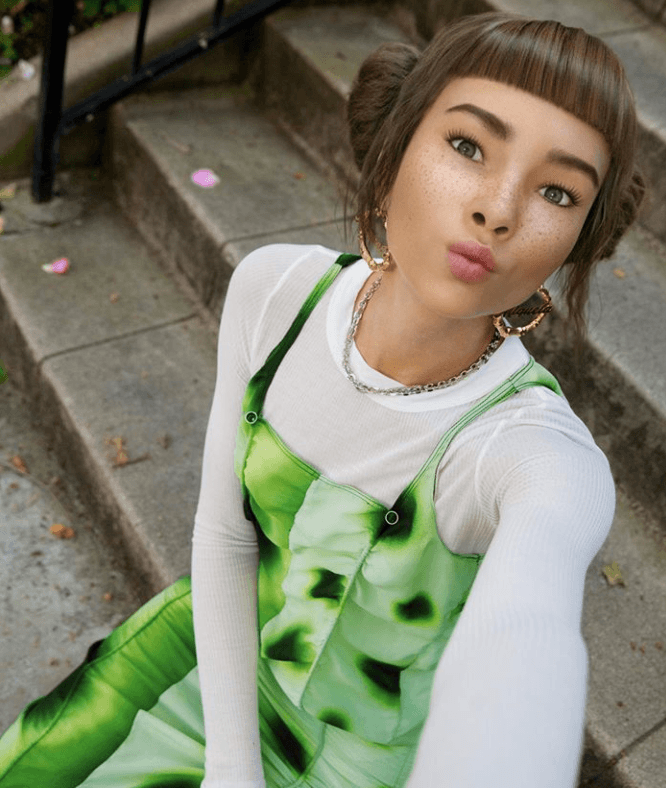
Lil Miquela, created by Los Angeles-based Brud, has 2.7 million followers on Instagram / Photo credit: @lilmiquela
Sousa, better known by her Instagram handle “Lil Miquela,” is a virtual influencer. Made of pixels, the Brazilian-Spanish model was engineered to be likeable. On a YouTube channel that has amassed over 230,000 subscribers, she shares intimate details of her life, which are as made up as the way she looks, talks, and sings.
Computer-generated influencers are the latest fad in influencer marketing, which is on track to become a US$15 billion industry by 2022.
As more consumers, particularly millennials and Gen Z, take to social media, brands are increasingly looking to tap influencers who can help them organically reach and engage audiences as well as market their products. At the same time, machine learning and computer-generated imaging (CGI) technology have also advanced.
Combined, these trends have given rise to virtual influencers.
In August, Imma, a virtual human created by Tokyo-based Aww, captured the imagination of passers-by as she lounged around at “home” at an Ikea store in Harajuku.
“It’s really hard to tell if Imma is a real human or a virtual one,” Aww director Yumi An Anzai tells Tech in Asia. Imma, who dons a bright pink bob, is edgy and cool. She is designed by an in-house CGI team, who transposes her full-body 3D images onto photos of real human models. Imma has over 250,000 followers on Instagram and is also active on other platforms such as Facebook, Twitter, TikTok, Weibo, and Douyin.
What makes these lifelike creations so fascinating? A mix of intrigue and realism are part of their attraction. A survey of 534 millennials and Gen Zs last year found that 42% of respondents followed an influencer they didn’t know was CGI. Out of those who knew, 38% said they followed one out of curiosity.
A hashtag – #ithinkimightbeCGI – that accompanies each of Imma’s Instagram posts hints at how she might not be real. But Imma’s “audience or followers get to imagine or decide whatever they want to see,” Anzai says.
Riding the hype
From conceptualization and design to rollout, Aww’s virtual humans take anywhere between one to two months to make. Imma – the company’s most successful creation – has delivered campaigns for the likes of luxury car manufacturer Porsche and Unilever’s Magnum, a premium ice cream brand.
The appeal? Her naturalistic looks, personality, and story. “She’s just an ordinary girl. She’s nothing crazy special – she has a clumsiness and this goofiness sometimes. But she’s got this inner strength: If she needs to speak up, she can,” Anzai explains.

Robots vs. humans
Crossing the “uncanny valley”
Stay ahead in Asia’s tech landscape
This is premium content. Subscribe to read the full story.
Computer-generated influencers are blurring the lines between virtual reality and real life. But they have brands hooked and consumers intrigued.
We know this is not ideal. ⌛ Sign up in 20 seconds. Cancel anytime.
Our subscriber community includes professionals from these companies:





Stay updated on the go with our mobile app.
Get latest insights with smoother, more personalized experience through TIA mobile app.