Sam Ameen · · 4 min read
7 things we’ve learned running a Hong Kong-based accelerator
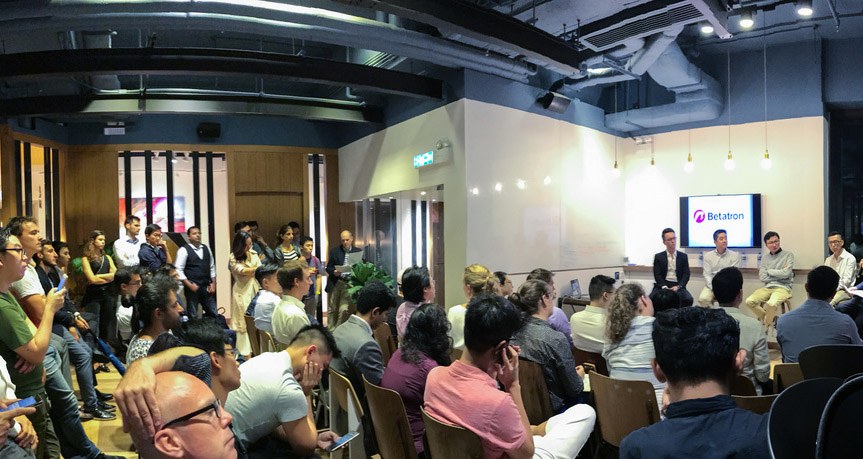
Photo credit: Betatron.
When we created our Betatron startup accelerator, one of our missions was to be transparent about the inner workings of the program with the rest of the startup ecosystem.
So we’re sharing here some of the biggest things we’ve learned. Here are seven takeaways.
1. Invested lead mentors
At our accelerator program, we have a lead mentor format. Each startup is assigned a lead mentor from one of our founding partners to provide hands-on help, advice, and guidance throughout the four-month process.
Sometimes, the closest relationships are built outside of the working environment, which is why lead mentors have to be available 24/7 for the startups involved.
Some mentors meet their respective startups for after work drinks, accompany them to important meetings, and even arrange hikes with founders from their other portfolio companies.
Roland Yau of CoCoon Ignite Ventures, one of our lead mentors, said:
“The key to being a successful mentor isn’t just about helping them with their business and providing technical advice. It’s also about being there to provide mental and emotional support, too.”
According to serial entrepreneur and mentor Andy Ann, building a startup is often a rollercoaster ride. This is why it’s important to have an involved lead mentor who will support a startup during their highs and lows.
(You can take a look at some of Ann’s advice on how to survive the startup journey here.)
2. Critical mentors
Having a “yes-man” mentor is not effective in the long run. It might encourage founders in the short term, but it’s not effective for the business.
It can be hard for founders to hear their business assumptions being challenged and critically analyzed. However, if they want to build a successful company, they have to embrace and appreciate constructive criticism and remember to never take it personally.
In our experience, when founders build a startup, their family and friends are very encouraging and will often tell them how great their idea is, even if they don’t believe it. This is why having a critical, transparent, and 100 percent honest mentor is necessary; they will provide more realistic, counter feedback and will have your business interest in mind. They also won’t be afraid to hurt your feelings and say your idea sucks!
3. Find your accelerator’s sweet spot and stick to it
4. Build a community
5. Focus on the long term
6. Accountability
7. Team spirit





Stay updated on the go with our mobile app.
Get latest insights with smoother, more personalized experience through TIA mobile app.