 Zen Soo · · 4 min read
For Shopee, being ‘late’ to the ecommerce game has helped its rise in Southeast Asia
For an ecommerce platform under four years old, Shopee has done pretty well for itself.
Since it was established in 2015, the Singaporean ecommerce site has become the most visited across Southeast Asia, according to a recent iPrice report which also found that Shopee’s mobile app ranked at the top of its category in terms of downloads and average monthly active users in the region.
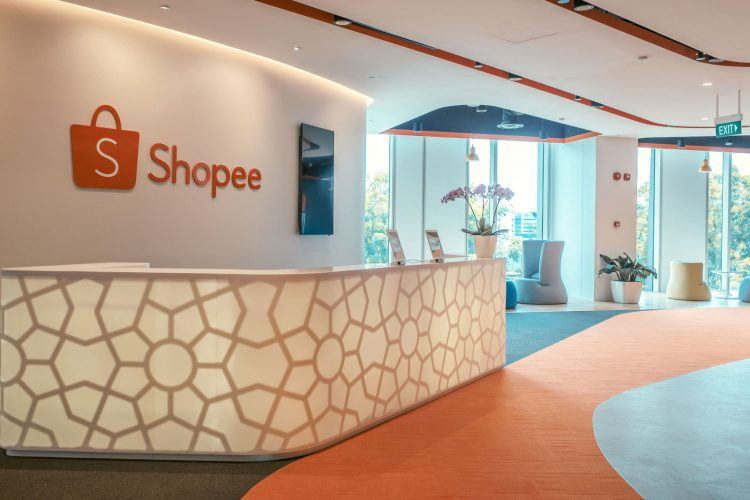
Photo credit: Shopee
One of the secrets to its success? Being “late” to the industry, according to chief commercial officer Zhou Junjie.
“Back in early 2015, we were looking at ecommerce as an industry and while there were players who had been there, we saw that there was a lot of [potential] growth and many areas that weren’t being addressed well by existing players,” he said in an interview with the Post.
At the time, most existing ecommerce players were focused on websites as their main platform. Shopee took a different strategy early on by launching as an app first to tap Southeast Asia’s high mobile penetration rate.
“That’s one of the advantages of being late [to the industry], because you can see what’s out there, what the trends are and see what you can do differently or better,” said Zhou.
The Singaporean ecommerce platform is one of several in the region – including Alibaba’s Lazada as well as Indonesia’s Tokopedia – that are eyeing the fast-growing, billion-dollar ecommerce market in Southeast Asia boosted by increasing adoption of digital payments among the 100 million internet users in the region.
Shopee is operated by Singapore-based technology firm Sea, a company that first came to prominence in the Southeast Asian technology landscape by publishing, operating, and creating PC and mobile games under the Garena brand before branching out into ecommerce.
The platform’s bet on a mobile-first approach has paid off: more than 90% of its transactions are on the app, according to Zhou.
Another key strategy Shopee has used to conquer local markets, Zhou said, is localizing and customizing the app to each specific market.
Instead of having one common app for all users, Shopee has a stand-alone ecommerce app for each market. According to Zhou, this allows the company to introduce market-specific features that appeal to users in each of its seven markets – Singapore, Indonesia, Malaysia, Thailand, Taiwan, Vietnam, and the Philippines.
In Indonesia, for example, Shopee launched a dedicated section of Islamic products and services to cater to the majority Muslim market. In countries like Thailand and Vietnam, where celebrity endorsements hold sway over consumers’ buying habits, Shopee features online stores that sell items curated by top celebrities.
“We talk about Southeast Asia as a region, but every country is very different – from the language they speak and the currencies they use, and even in terms of purchasing power,” said Zhou, who acknowledged that country-specific customization requires “a lot more work” since Shopee has to have local teams in each country.





Stay updated on the go with our mobile app.
Get latest insights with smoother, more personalized experience through TIA mobile app.









📅 Upcoming Events
22 October 2026
Payoneer x CSPN Summit 2026