Nadine Freischlad · · 3 min read
Indonesia wants state-owned ecommerce firm ‘like Alibaba’. How is that even possible?
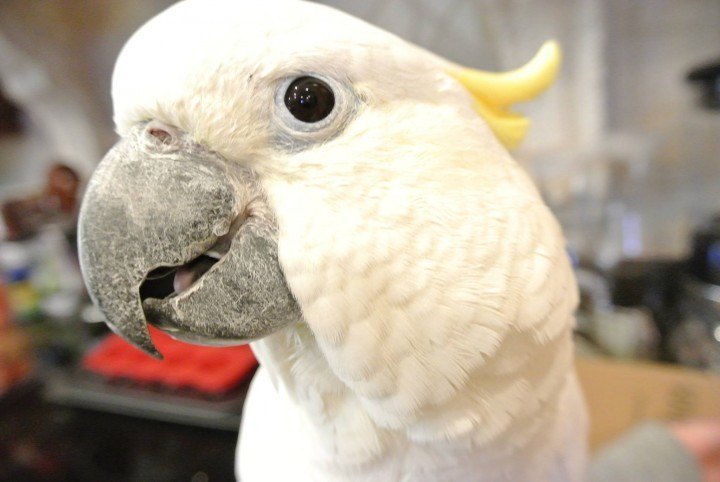
Say what? Photo credit: Renee Huggins
Is Indonesia planning a state-owned ecommerce enterprise?
A high-ranking official of Indonesia’s ministry of state-owned enterprises recently made a curious remark. Gatot Trihargo claimed his ministry plans to create an ecommerce site as strong as China’s Alibaba.
This new state-owned ecommerce endeavor is supposed to be built on the base of shopping portal Blanja.
Ebay’s way into Indonesia
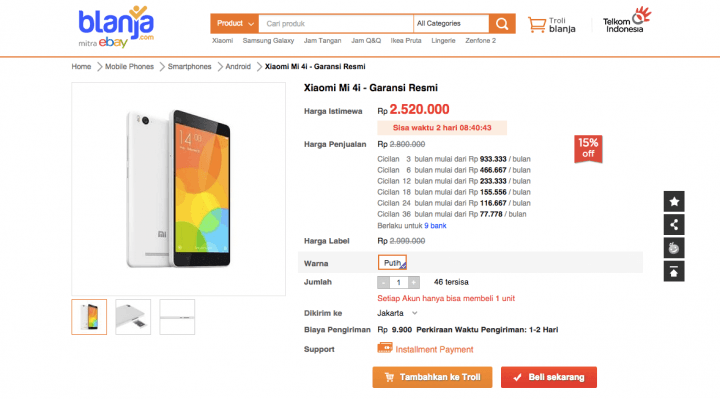
Blanja, an online shopping marketplace, has an interesting history. It launched as a joint venture between Indonesia’s national telco Telkom and Ebay in 2013.
By the end of 2014, Ebay reportedly planned to increase its stakes in Blanja from 40 percent to 49 percent, floating the possibility it could eventually become the controlling stakeholder. However, nothing happened and the majority ownership of Blanja seems to remain with Telkom.
Merchants on Blanja sell products in typical ecommerce categories like gadgets, fashion, and baby items. It does not use Ebay’s auction feature, which means shoppers buy at a fixed price.
Blanja never quite took off, and it’s facing tough competition from more popular marketplaces like Tokopedia and Bukalapak. Blanja’s growth may have been stifled by self-inflicted restrictions due to its association with state-owned Telkom. For instance, merchants on Blanja may only sell new goods and need government permits to be allowed to register.
Missing the point
In Gatot Trihargo’s vision, Blanja turns into a trade portal for small and medium-sized enterprises from across Indonesia. A state-owned agency, Sucofindo, would be responsible for gatekeeping and certification. Packaging and marketing would be handled by Sarinah, another state-owned trading company, he told local news portal Detik. The goal is to make Indonesian products easily accessible to buyers overseas.
While that concept bears similarities with parts of Alibaba, Gatot Trihargo’s plans for state-owned Blanja to be “like Alibaba” miss the point.
First off, Jack Ma founded Alibaba as a private company after he had made the decision to leave a government-led foray into ecommerce that he was briefly involved with. Second, Ma loves disrupting state-owned firms, having done so to China Post and the banks with his epayments service. Third, it was winning over competitor Ebay that gave Alibaba its edge in China.





Stay updated on the go with our mobile app.
Get latest insights with smoother, more personalized experience through TIA mobile app.