 Terence Lee · · 2 min read
MIT researchers find way to kill traffic lights – with self-driving cars
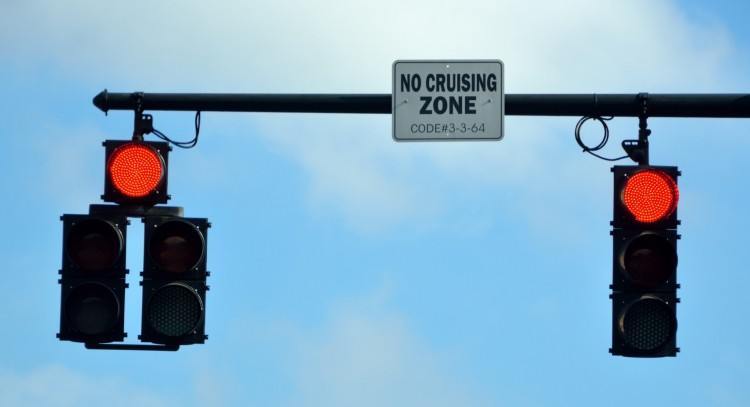
Photo credit: PublicDomainPictures.net.
Traffic lights are torturous necessities. The constant start-stop of your taxi in busy urban traffic causes nail-biting anxiety, especially when you’re meeting an important client who’s pissed that you’re running late.
But a group of researchers are proposing a system to replace traffic lights – a 150-year-old technology – leading to improved road capacity and less pollution.
The study, jointly written by three institutions (including MIT), created a method whereby self-driving cars would be assigned “slots” before they approach an intersection.
In other words, the car knows exactly when it should arrive at the intersection and when it should cross. It can then adjust its speed before reaching, with no need to halt completely.
Because the proposed system talks directly to a car, telling it when to arrive and when to cross, it kills the need for traffic lights entirely.
Using simulations, the researchers found that this slot system, which is similar to how airport runway traffic is directed, doubles the traffic that intersections can handle.
This efficiency theoretically means less emissions, since cars can get from point A to point B faster.
“Travel and waiting times would be considerably reduced and fuel consumption would go down,” said Professor Dirk Helbing of the Swiss Institute of Technology.
Paradoxically, the slot system benefit from what’s called a “slower is faster” effect.
It’s been found in road traffic, pedestrian movement, and logistics that slowing down each component in a system actually increases its efficiency.
A road intersection can be likened to a departure gate at the airport.
When passengers board a plane, it’s better to let small groups move through at a steady pace rather than allowing them to crowd around the entrance.





Stay updated on the go with our mobile app.
Get latest insights with smoother, more personalized experience through TIA mobile app.








📅 Upcoming Events
22 October 2026
Payoneer x CSPN Summit 2026