Doris Yu · · 3 min read
Beenext leads $3m series A round of Indonesian restaurant management startup
Indonesia’s food and beverage (F&B) industry brings in over US$57 billion in annual revenue. However, the industry struggles with losses due to operational inefficiencies from manual inventory planning, disorganized waste management, and fraud, according to restaurant management company Esensi Solusi Buana (ESB).
“The price of their inventory is increasing and the salary of employees is also increasing. But they cannot increase the sales price at the same percentage as the cost growth. So that’s why this is this industry is suffering from net profit. They keep on losing net profit from year to year,” Guanwan Woen, ESB’s chief executive officer, tells Tech in Asia.

ESB founders (from left): Chief revenue officer Dwi Prawira, CEO Gunawan Woen, chief technology officer Setiadi Prawiryo, and chief operating officer Eka Prasetya / Photo credit: ESB
The company aims to solve this problem through its software-as-a-service (SaaS) platform, which provides a full-stack solution from point-of-sale, enterprise resource planning, mobile ordering system, and digital payment services.
The SaaS platform helps restaurants with their digital ordering solutions for customers, whether they’re dining in or opting for online deliveries.
Indonesia-based ESB has just raised US$3 million in a series A funding led by Beenext, along with AC Ventures and Skystar Capital.
A food delivery alternative to Grab, Gojek
To help F&B businesses thrive during the Covid-19 lockdown, ESB launched a delivery platform enabling restaurants to do delivery independently and offer contactless dining.
With this function, restaurants can send out orders without having to incur the commission cost charged by delivery platforms, allowing them to receive more margins per order.
Within six months of launching, ESB says its platform has generated over 20 million annual orders for customers.
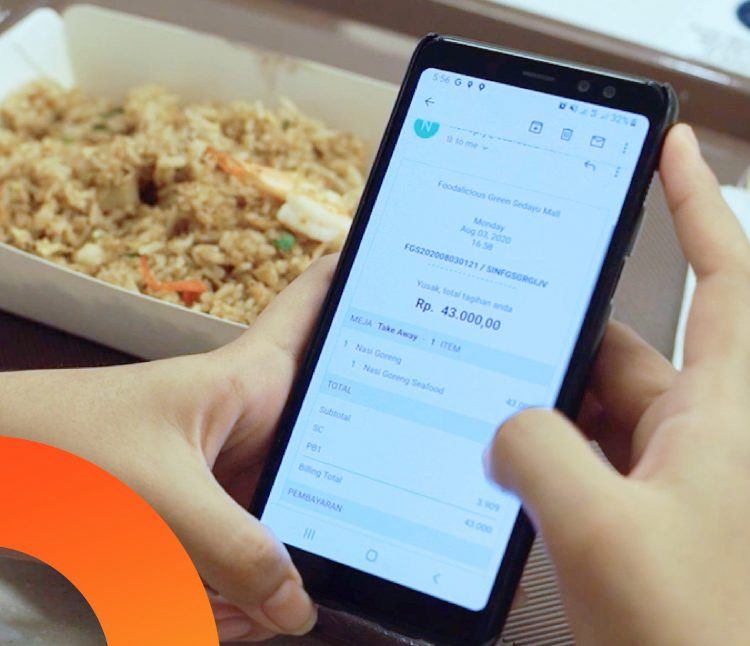
Photo credit: ESB
Woen says restaurant owners kept telling him that the two huge food delivery platforms – Gojek and Grab – are “very predatory” because they take at least 20% of the profit and are further looking to increase that amount to 30% to 35%.
“The restaurants are kind of working for them instead of doing business because they take a huge chunk of the profit,” the CEO added.





Stay updated on the go with our mobile app.
Get latest insights with smoother, more personalized experience through TIA mobile app.