- Premium Content It takes our newsroom weeks - if not months - to investigate and produce stories for our premium content. You can’t find them anywhere else.
 Jaclyn Tiu · · 12 min read
Southeast Asia’s e-payments battle is reaching fever pitch. Here are the players
It’s no secret that Southeast Asia remains a largely cash-based economy. Over 70% of the region’s population don’t use banks – way higher than the global average of 30%.
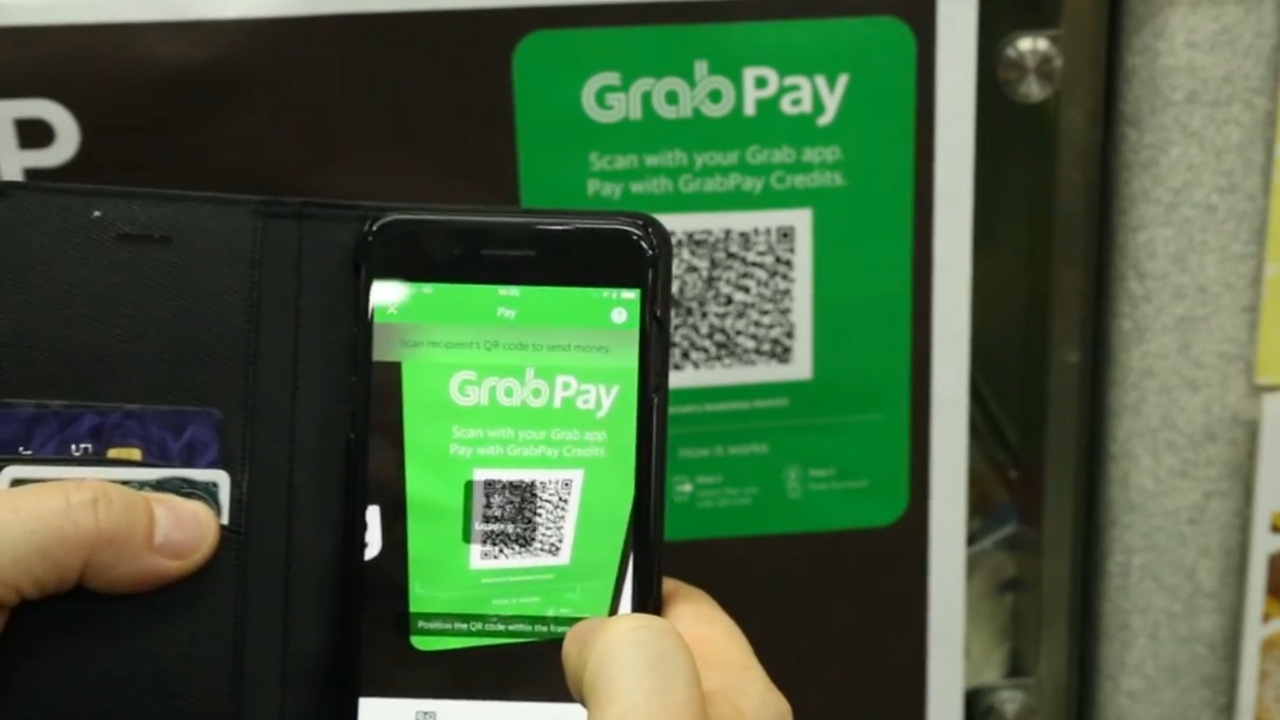
Photo credit: Tech in Asia
While ecommerce is thriving, the cash-on-delivery payment method still accounts for 44% of transactions in the region, and research firm IDC predicts it will remain popular years from now.
However, this reliance on physical currency, along with the alignment of several factors like high mobile penetration and a young tech-savvy population, makes Southeast Asia enticing for e-payments companies. Startups, conglomerates, telecommunication companies, banks, and other entities are all vying for a slice of the pie.
Here’s a compilation of players in the space. (Note: Data on total disclosed funding was gathered from Tech in Asia and Crunchbase and does not include money earned from IPOs or M&A deals.)
International payment gateways
Stripe
Total disclosed funding: US$1 billion
Country of origin: United States
Stripe touts itself as the “complete toolkit” for running an internet business. It acts as a payment gateway for online firms and offers multiple solutions that enable clients to accept, process, and analyze transactions, as well as send billing statements and invoices.
Founded in 2010, it counts Sequoia Capital, Andreessen Horowitz, Peter Thiel, and Elon Musk among its more notable investors.
The service is available in 30 countries with 14 offices all over the world. In 2016, it began its expansion to Southeast Asia, where it now operates in Malaysia and Singapore. The company claims to have “millions” of clients, including regional heavyweights Grab and Shopee, plus well-known startups like Carousell, Homage, and GoGoVan.
An advantage that Stripe has over its closest competitors is its straightforward fee structure. In Singapore, the firm charges a flat rate of 3.4% plus S$0.50 (US$0.36) per transaction. In comparison, PayPal – one of its biggest rivals – has a complex one, charging between 2.9% to 4.4% plus different fixed fees per country.
And unlike PayPal, Stripe supports Chinese payment giants Alipay and WeChat Pay, which together has a 93.3% penetration of China’s mobile payment market. By using a specific API, Stripe’s clients can allow their customers to pay via two of Asia’s most popular e-wallets. The move will prove important as the US firm continues to scale in the region.
Moving forward, Stripe will further expand internationally, eyeing India as one of its next targets.
It certainly has the cash to keep scaling: The company is currently valued at US$35 billion and made it to Forbes’ Most Innovative Fintech Companies in 2019 list.
Super apps
Regional players
Stay ahead in Asia’s tech landscape
This is premium content. Subscribe to read the full story.
Super apps top the list, while Indonesian startups fight for dominance.
We know this is not ideal. ⌛ Sign up in 20 seconds. Cancel anytime.
Our subscriber community includes professionals from these companies:





Stay updated on the go with our mobile app.
Get latest insights with smoother, more personalized experience through TIA mobile app.








📅 Upcoming Events
22 October 2026
Payoneer x CSPN Summit 2026