Nicole Jao · · 5 min read
Why scientists are worried about the shrinking number of farmlands

Welcome to The Offset! Delivered once a month via email and through the Tech in Asia website, this free newsletter breaks down the biggest stories and trends in greentech. Get it in your email inbox by registering here.
Hello readers,
One of the consequences of having thriving economies is the consolidation of smaller croplands into large-scale farming operations.
To put it simply, people who used to work in rural regions are leaving their family farms for cities. With no one to take care of those croplands, smaller farms merged and became expansive stretches of land.
This month’s issue looks at why this ongoing consolidation could be bad news for wildlife and biodiversity.
— Nicole
THE BIG STORY

Image credit: Timmy Loen
This profitable firm’s $1b bet on recycling relies on Indonesia, EV batteries
Attero is an electronic waste recycling startup headquartered in India. The company, founded by brothers Nitin and Rohan Gupta, processes anything from smartphones to circuit boards and printers. It has in recent years expanded a new money-making vertical: recycling lithium-ion electric vehicle batteries.
The business has been profitable for several years and has operations in Poland and the US. The founders are now hoping to expand to Southeast Asia with a hub in Indonesia.
DEEP READS
By the end of the century, the number of farms will halve and farm size will double. How will biodiversity fare?
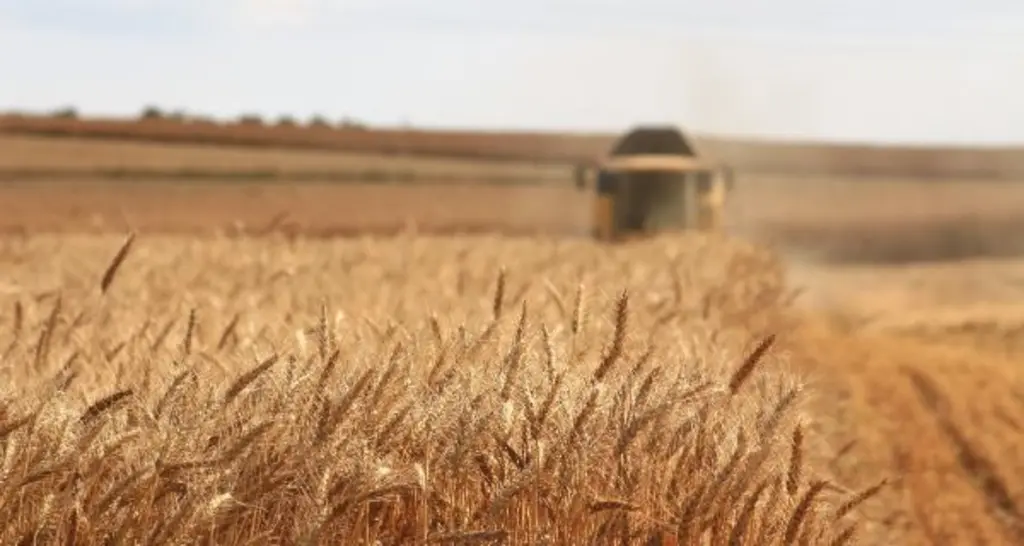
The number of farms globally is expected to halve as more plots of land are scooped up into expansive croplands, according to a new research from the University of Colorado Boulder.
“We see a turning point from widespread farm creation to widespread consolidation on a global level,” said Zia Mehrabi, assistant professor of environmental studies at the university and the author of the study.
Having larger farmlands isn’t necessarily good news for our food systems, the research suggests, in fact, it could pose significant risks to biodiversity. Larger swaths of land typically have less biodiversity and crop diversity, making them less resilient to pest outbreaks and climate shocks.
The study, which is one of the first to track the number and size of farms year over year, shows that even rural, farm-dependent communities in Africa and Asia will experience a decline in the number of operating farms.
There are still many questions around the implication of the declining number of farmlands, though. Ongoing consolidation of arable lands could free up more space for wildlife, which may encourage biodiversity.
TRENDING NEWS
You can also check out Tech in Asia’s coverage of Asia’s greentech scene here.
1️⃣ China’s solar boom is already accelerating past last year’s record surge
Falling costs in the supply chain and rising consumption of electricity in China has fueled the demand for solar energy. The solar capacity installed between January and the end of April was nearly three times that during the same period a year ago, data shows.
Why it matters:
China, the world’s largest solar market, has been building infrastructure for wind and solar power generation at a much faster pace than for energy storage. There are already signs that some grids are being overwhelmed trying to keep up the demand during peak hours.
2️⃣ Tesla is finally disclosing the full extent of its carbon emissions
Tesla revealed in its most recent impact report that the largest source, around 27%, of its carbon footprint is the mining of metals and the manufacture of batteries. The company says its supply chain emissions have been undercounted due to a lack of good, consistent data and reporting.
Why it matters:
Electric car makers tend to exclude scope 3 emissions – which includes those produced by suppliers and vendors – because they are harder to account for.
3️⃣ Charm Industrial is getting US$53 million to turn agricultural waste into oil that can lock away carbon dioxide for 1 million years
Carbon removal coalition Frontier has reached a deal to purchase US$53 million worth of carbon-removal credits from Charm Industrial, which converts corn stalks, leaves, and other waste leftover from agricultural harvests into bio oil.
Why it matters:
The agreement is one of the largest to date in the nascent carbon removal space. There is still skepticism and doubts swirling around the technology.
4️⃣ Shift to clean energy accelerating, but coal investments too high, report says
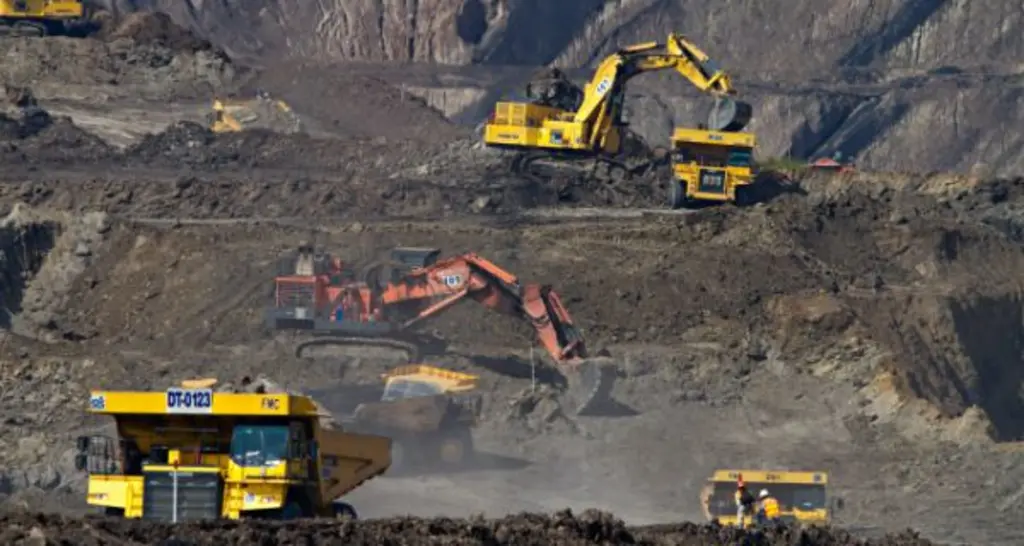
While investments in clean energy are growing, investments in coal are also on track to increase by about 10% in 2023, nearly six times what the International Energy Agency has estimated they should be for achieving emissions reduction goals.
Why it matters:
Part of the problem is that the demand for clean energy still outpaces the increases in supplies in many parts of the world.
5️⃣ Scientists develop ‘artificial leaf’ that could power the cars of the future
Scientists have developed an artificial leaf technology that uses sunlight to convert water and carbon dioxide into ethanol and propanol – which can directly power internal combustion engines with no modification needed.
Why it matters:
This marks the first time these fuels are produced using only sunlight. Previously, other scientists have only been able to produce similar chemicals using electrical power.
STARTUP WATCH
1️⃣ Gradiant is the new kind of unicorn worth getting excited about
The Massachusetts-based water and wastewater treatment startup has raised US$225 million in a series D funding round led by Centaurus Capital at a US$1 billion valuation.
2️⃣ Kyoto Fusioneering Raises $77m to accelerate R&D, expand global operations
The Tokyo-based nuclear fusion technology company has raised US$73 million in an oversubscribed series C round. The raise was led by existing investor JIC Venture Growth Investments.
3️⃣ Noveon Magnetics announces $75m in series B funding
The Texas-based sustainable rare-earth magnets developer has completed a US$75 million series B round led by NGP Energy Capital Management and Aventurine Partners.
4️⃣ Switzerland’s Ecorobotix raises $52m to bring crop protection ‘bots’ to the Americas
The Switzerland-based precision farming solutions startup has closed a US$52 million series B round led by Aqton SE and Cibus Fund. Other investors include Verve Ventures, Swisscom Ventures, and BASF Venture Capital.
5️⃣ Clean energy startup Modern Hydrogen, previously known as Modern Electron, raises $32.8M
The Washington-based developer of methane pyrolysis hydrogen production systems company completed an oversubscribed series B round, raising US$33 million from investors including NextEra Energy Resources, Miura, National Grid Partners, and Gates Frontier.
That’s it for this edition – we hope you liked it! Do subscribe to continue receiving The Offset.
See you next month!
The Offset is made possible thanks to Taiwan Mobile.
The company earned the best telco title in the Global Views CSR Awards.
Taiwan Mobile is on a mission to transition to 100% green energy by 2040.
Stay updated on the go with our mobile app.
Get latest insights with smoother, more personalized experience through TIA mobile app.
Recommended reads
 Indonesian AI startup goes global
 Forrest Li on scaling Sea, building smarter bots, and founder grit
 An AI assistant that joins sales calls and scores team skills
 SGX’s CEO says it doesn’t need a unicorn to win
 SMEs want AI too, but not the kind Big Tech is selling
 Oatside’s alt-milk rise hits a profitable gear
 Alibaba’s financial health in 12 charts
 Asia’s telcos bundle AI into mobile plans. Will it pay off?
 M-Daq chases bigger clients as revenue falls, losses grow
 VC tracker: Accel raises US$3.5b, including US$550m for India





Editing by Jaclyn Tiu
(And yes, we’re serious about ethics and transparency. More information here.)