 C. Custer · · 4 min read
Samsung’s biggest problem is the one place it didn’t recall the Note 7
Copyright: tktktk / 123RF Stock Photo
South Korean electronics giant Samsung hasn’t been having a great month. It was forced to announce a nearly-global recall of its Galaxy Note 7 smartphones after exploding batteries proved the handsets unsafe. Now, it faces charges that its washing machines in the US can explode, too.
But paradoxically, Samsung’s biggest problem may be in China, one of the few places where it wasn’t forced to recall anything.
Sinking ship?

Copyright: digitaleyesphotography / 123RF Stock Photo
Back in 2013, Samsung was the clear king of the hill; a 17.3 percent market share put it well ahead of all competitors foreign and domestic. It was the clear choice for Android users at various price points in a market where more than 95 percent of smartphones sold were Androids.
But then Xiaomi happened.
Xiaomi’s first phone launched in late 2011, but it took several years for the company’s sales to catch up with the hype. When it did, it caught up in a big way. In 2013, Xiaomi had a 5 percent share of the smartphone market. By the end of 2014, it had jumped to 12.5 percent. And Xiaomi seemed to be stealing users directly from Samsung; while Xiaomi had gained about 7 percent market share, Samsung lost more than 6 percent. Over that same period (2013-2014), other major players like Lenovo, Huawei, and Coolpad didn’t see major changes in their market shares. The end result was that Xiaomi shot past Samsung, dropping it to the number two position in China, with a market share of just over 12 percent.
Before Note 7s began exploding all over the globe, the South Korean vendor had already fallen out of China’s top five
Things continued to go downhill for Samsung in China, where it found itself beset with bang-for-buck challengers like Xiaomi at the lower end of the market, and an ascendant Huawei at the higher end. Apple was also a problem, as rising iPhone sales pushed it into China’s top five. Samsung suddenly had a serious pricing problem: cheap-but-good domestic alternatives were pushing out its lower-cost models. But its flagship phones were expensive, and increasingly Chinese users willing to pay top dollar for a smartphone wanted the brand recognition and prestige of an iPhone. Even in the middle of the market, there was Huawei to contend with.
Samsung had been muscled out. Before Note 7s began exploding all over the globe, the South Korean vendor had already fallen out of China’s top five smartphone brands, behind four domestic brands (Huawei, Vivo, Oppo and Xiaomi) and Apple.
Insult to injury
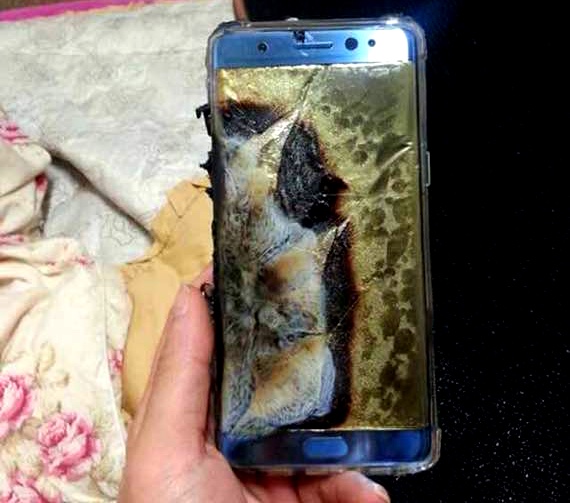
Photo credit: Chinese web.
Then, of course, came the Note 7 explosions. Samsung’s recall has badly damaged the brand’s global reputation, and it’s also going to cost the company dearly. The company hasn’t shared what it calls the “heartbreaking” sum it will have to pay to replace the 2.5 million Galaxy Note 7s it had already shipped, but independent estimates run as high as US$1 billion. Ouch.





Stay updated on the go with our mobile app.
Get latest insights with smoother, more personalized experience through TIA mobile app.








📅 Upcoming Events
22 October 2026
Payoneer x CSPN Summit 2026