Steven Millward · · 3 min read
Didi Kuaidi claims it’s cleaning China’s air as it takes over 1m car rides off roads
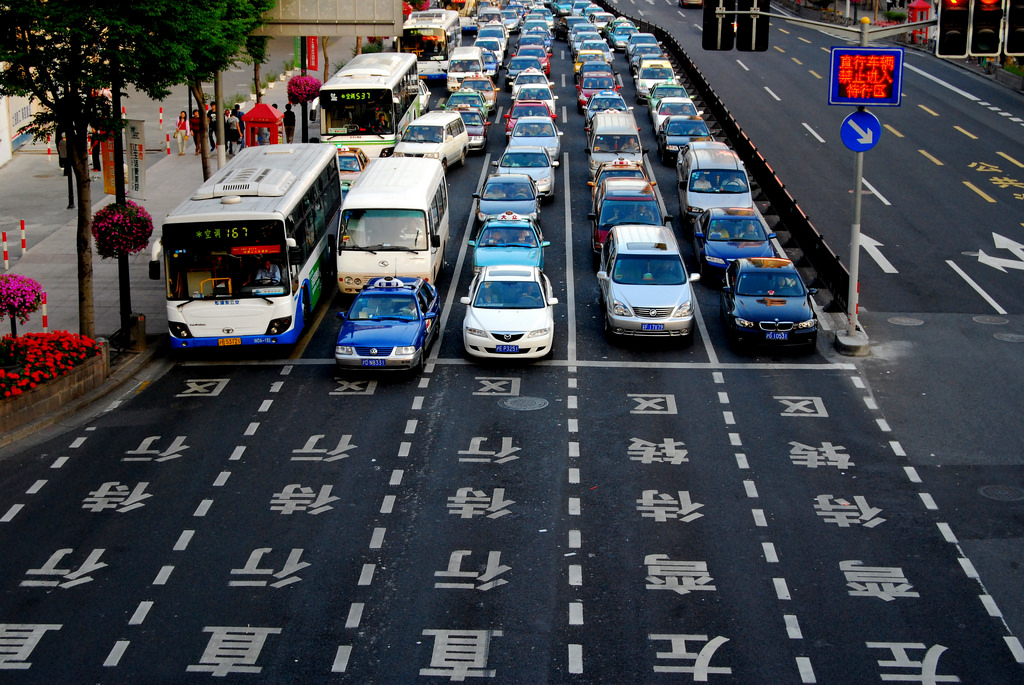
A junction in Shanghai. Photo credit: Carlos ZGZ.
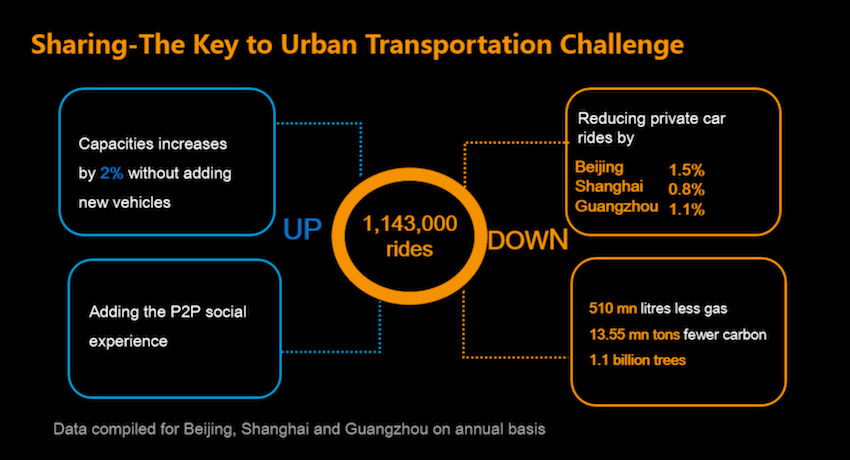
China’s top ride-hailing startup today claimed that its service has reduced the number of individual car trips by 1.14 million per day on average in the country. Didi Kuaidi claims that has resulted in a cut of over 13.5 million tons of carbon emissions. That refers to the carpooling options available in the Didi app.
The numbers are in a report released today by Didi Kuaidi, Uber’s arch-rival in China, in conjunction with a third-party research company.
“According to the findings, internet-based transportation solutions are effectively alleviating urban traffic pressure and reducing environmental impact created by transportation – two of the major and growing challenges to urban transportation management,” said the report.
The startup adds that demand for commuting rides drops during spates of heavy pollution, when the AQI read-outs approach or even exceed the 500 count that’s classified as “hazardous.”
Greenpeace says China’s air cleared up slightly in 2015.
“According to Didi’s data, during the period of the most polluted days in Beijing last year (November 8 – December 8, 2015) the demand for commutes reduced 2.4 percent during working days, 9.9 percent during weekends. Leisure activities during public holidays dropped 13.6 percent, and tourist destinations and parks counted 22.5 percent less visitors.”
“At the same time, the number of drives that went to the hospital increased drastically. Data shows that hospitals experienced an 8.8 percent increase of outpatients, most of which were children,” the report states.
Clearing the air
China’s hyperspeed urbanization and the economy’s reliance on manufacturing and coal-fired power plants has resulted in terrifying levels of pollution, especially in the country’s north and around the Beijing metropolis. Although Greenpeace says that China’s air cleared up a bit in 2015, 80 percent of the cities in a recent survey still failed to meet national air quality standards.
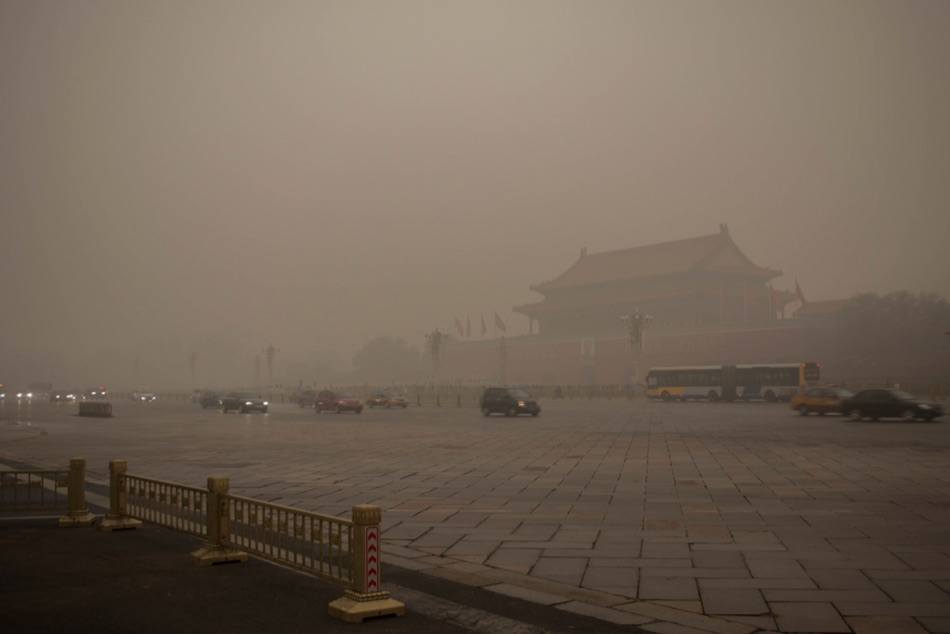
Photo credit: LW Yang.
Amongst all the numbers, Didi Kuaidi today claimed that it has 99 percent market share in terms of taxi-hailing in China (where Uber has no comparable service), and 87 percent of the market for private car rides, in which it competes head-on with UberX and UberBlack. Didi’s market share stat is up from 83 percent in November.
In a jam





Stay updated on the go with our mobile app.
Get latest insights with smoother, more personalized experience through TIA mobile app.