Eva Xiao · · 3 min read
Chinese AI startup partners with Xiaomi on a verbal agreement, and regrets it
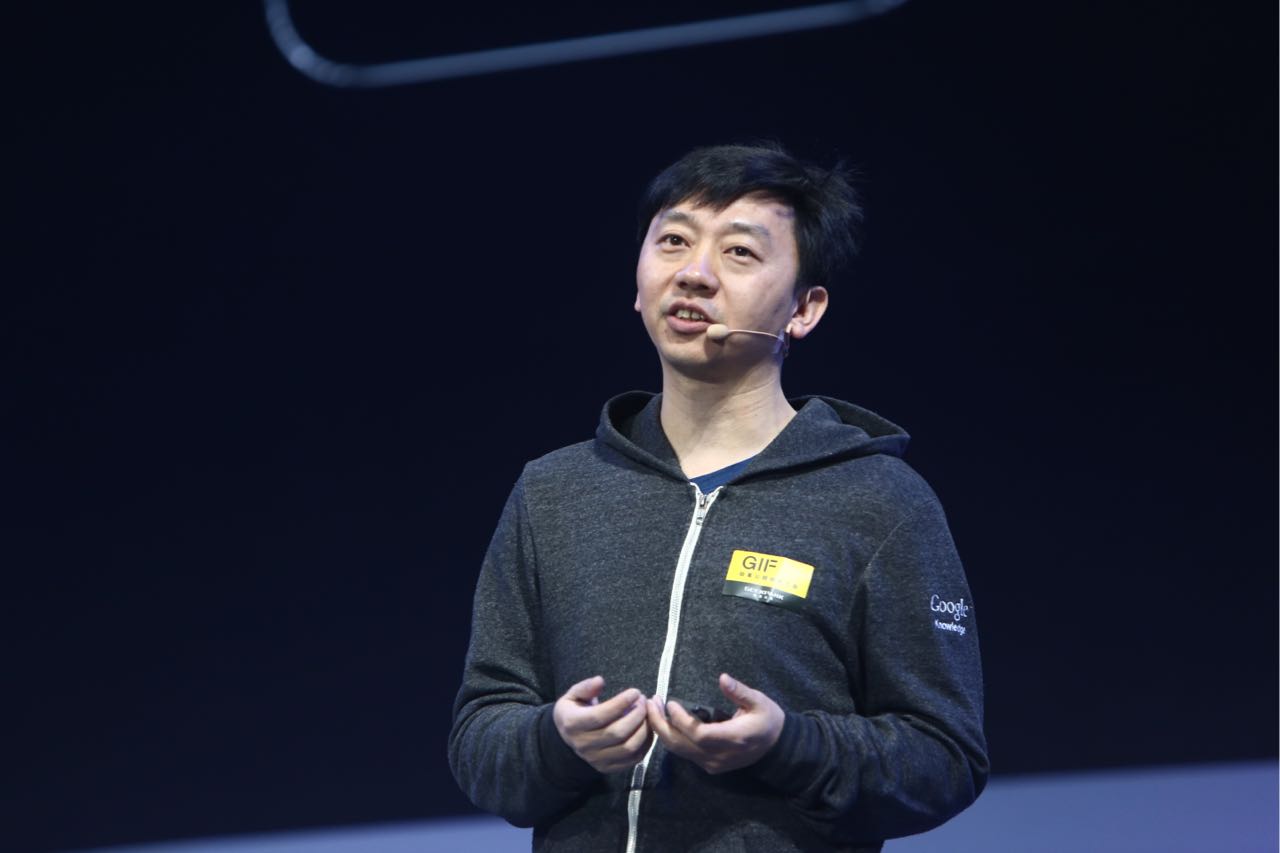
Li Zhifei, Mobvoi CEO. Photo credit: Mobvoi.
China is often referred to as the Wild West. That’s especially true for foreign companies that enter with optimism, only to perish in a market that tends to be both opaque and ruthless. Chinese local startups face that same challenge.
Today, Google-backed AI startup Mobvoi publicly denounced a partnership that went south with Chinese unicorn and smartphone-maker Xiaomi.
In a WeChat post, the startup described how it had worked with Xiaomi for three months in an undisclosed partnership, which involved the integration of its speech recognition technology into the latter’s smart TV, as well as “combined PR.” During those three months, no formal contract was signed – it was only under verbal agreement.
When Xiaomi finally sent a formal document to Mobvoi, there was almost no time to make any changes before the TV’s press conference.
During those three months, no formal agreement was signed.
“It wasn’t until yesterday, three hours before Xiaomi’s smart TV press conference, that we finally received the agreement,” stated Li Zhifei, Mobvoi’s CEO, in a separate post. “The agreement required us to offer free technology and service for three years, with the rights and interests of our brand name to be discussed separately.”
“If we didn’t sign, we would lose the brand exposure that we were previously promised,” he wrote.
Mobvoi didn’t sign the contract. Three hours later, Xiaomi demoed its latest smart TV, showing off its voice control ability. Audience members applauded as commands to rewind, play movies, and identify celebrities executed without error. There was no mention of Mobvoi.

Xiaomi’s founder, Lei Jun, often takes the stage at large product launches. Photo credit: Xiaomi.
The Beijing-based startup also claims that previous versions of Xiaomi’s press conference presentation, which displayed Mobvoi’s logo, had been changed. In addition, data from the startup’s backend, which is linked to its speech recognition software development kit, showed that Xiaomi used its technology for its demo.
“Mi TV assumed that Mobvoi was going to stop offering their speech recognition service, since they expressed that they didn’t want to sign the agreement and wouldn’t participate in the press conference,” responded Xiaomi’s TV team in a statement.
According to the Chinese smartphone-maker, Mobvoi wasn’t the only one offering its speech recognition technology to Xiaomi – so was Sogou, a Chinese tech firm known for its Chinese input software. “If Mobvoi stopped its service, all of the speech recognition results would go to Sogou,” wrote the Mi TV team.
Sign before you start





Stay updated on the go with our mobile app.
Get latest insights with smoother, more personalized experience through TIA mobile app.