Sign up for the Daily Newsletter, sent exclusively to our premium subscribers. We break down the big and messy topics of Asia’s tech and startup community. Get the newsletter in your inbox everyday with a premium subscription.
Hello reader,
In my final year of university, my housemates and I always looked forward to our weekly Monday evening grocery shopping. We were excited not because we loved traipsing around Tesco looking for bargains, but because our Filipino housemate Didi always cooked adobo after we got home.
Try as we might to hold off until later in the week to enjoy the dish, Didi’s cooking was too tempting to wait for. It also meant that we stuck pretty faithfully to shopping every Monday – a regular routine in our otherwise chaotic student schedules.
At the time, we had to pay for our groceries immediately. But after reading today’s featured story, I can see that using a buy now, pay later service would have been beneficial, especially during those weeks when one of us couldn’t cover his portion of the bill right away.
BNPL is making inroads into groceries and food, but as today’s story dives into, it’s not cut-and-dry whether this payment option is appropriate for all food purchases.
Today we look at:
- BNPL’s fraught entry into the world of food
- Fore Coffee’s IPO in Indonesia
- Other newsy highlights such as GXS Bank’s acquisition of Validus Investment’s Singapore business and Chinese robot manufacturer Narwal’s fresh funding worth US$100 million
Premium summary
Food for thought
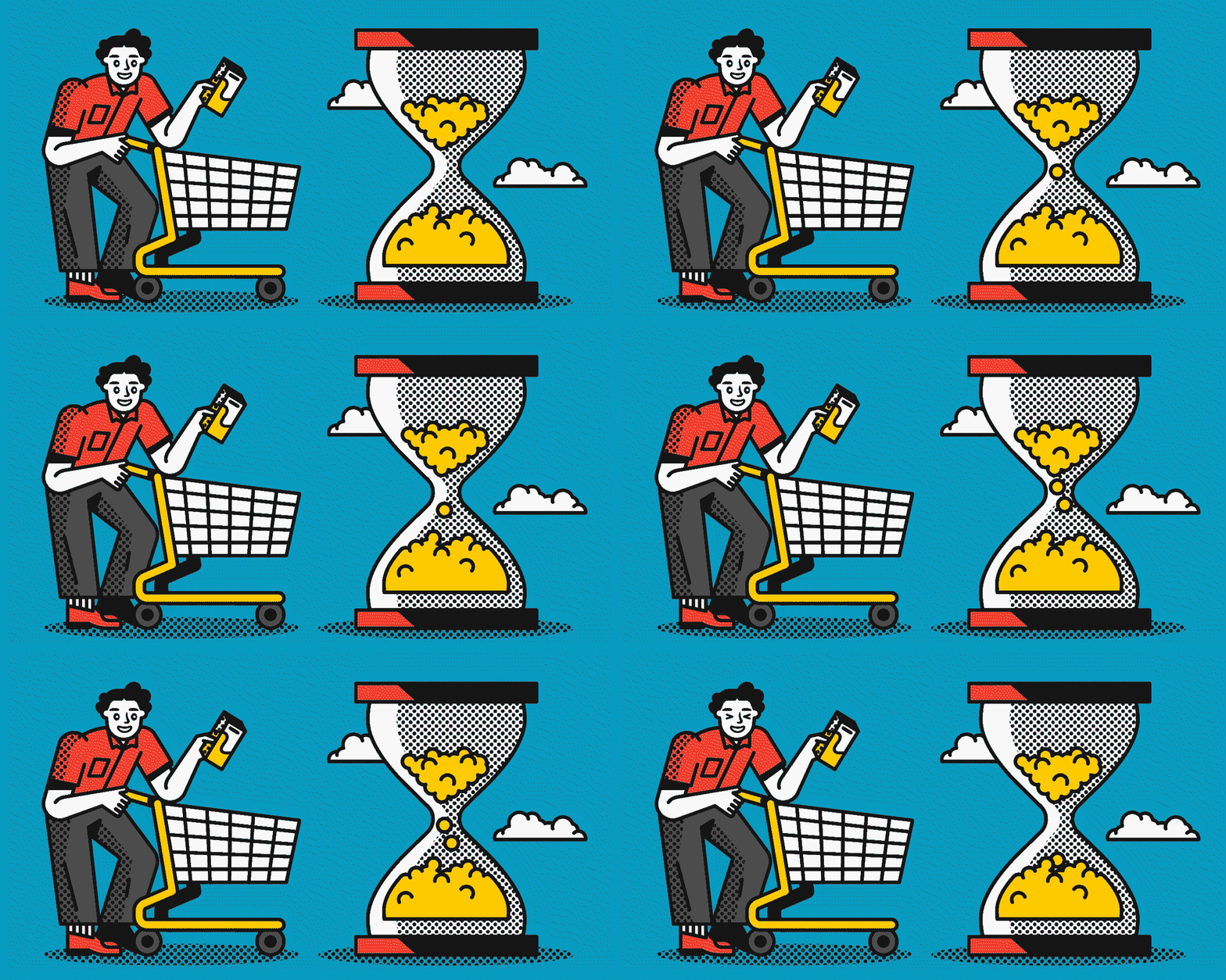
Image credit: Timmy Loen
BNPL has been a common payment method for categories like electronics and fashion for years now. But for food, that’s something new.
With DoorDash offering BNPL in the US and KFC Malaysia following suit, this payment option is expanding into food despite concerns about its appropriateness.
- Weekly shopping: BNPL makes sense for recurring, necessary purchases like groceries. However, it may be riskier for something like fast food, which is consumed immediately and can be impulse-driven.
- He has a point: Opting for this payment method at restaurants becomes more justifiable if consumers use it for added value with things like loyalty points, similar to points-based credit cards.
- Risky proposition: Still, offering BNPL for grocery shopping in Asian markets may be riskier than in the West due to lower disposable incomes, regulatory gaps, and other factors.
Read more: BNPL belongs in grocery stores, not in restaurants
Wake up and smell the IPO
Real-world tips for energy startups
Quick bytes





Stay updated on the go with our mobile app.
Get latest insights with smoother, more personalized experience through TIA mobile app.










📅 Upcoming Events
22 October 2026
Payoneer x CSPN Summit 2026