- Premium Content It takes our newsroom weeks - if not months - to investigate and produce stories for our premium content. You can’t find them anywhere else.
 C. Custer · · 5 min read
Samsung tried and failed to replace Android. How is Huawei going to do it?
Growing trade tensions between the US and China exploded into disaster for Huawei earlier this week. In the wake of the Trump administration’s ban on US companies doing business with Huawei, Google pulled its Android, Play Store, and Search licenses for Huawei phones. Huawei device owners in the US will still get access to these services from Google, the company says, but that’s probably little consolation to Huawei, which is now faced with the prospect of having to replace Android, the world’s most popular smartphone system, with something else.
If there’s good news for the Chinese tech giant, it’s that it won’t be starting from scratch.
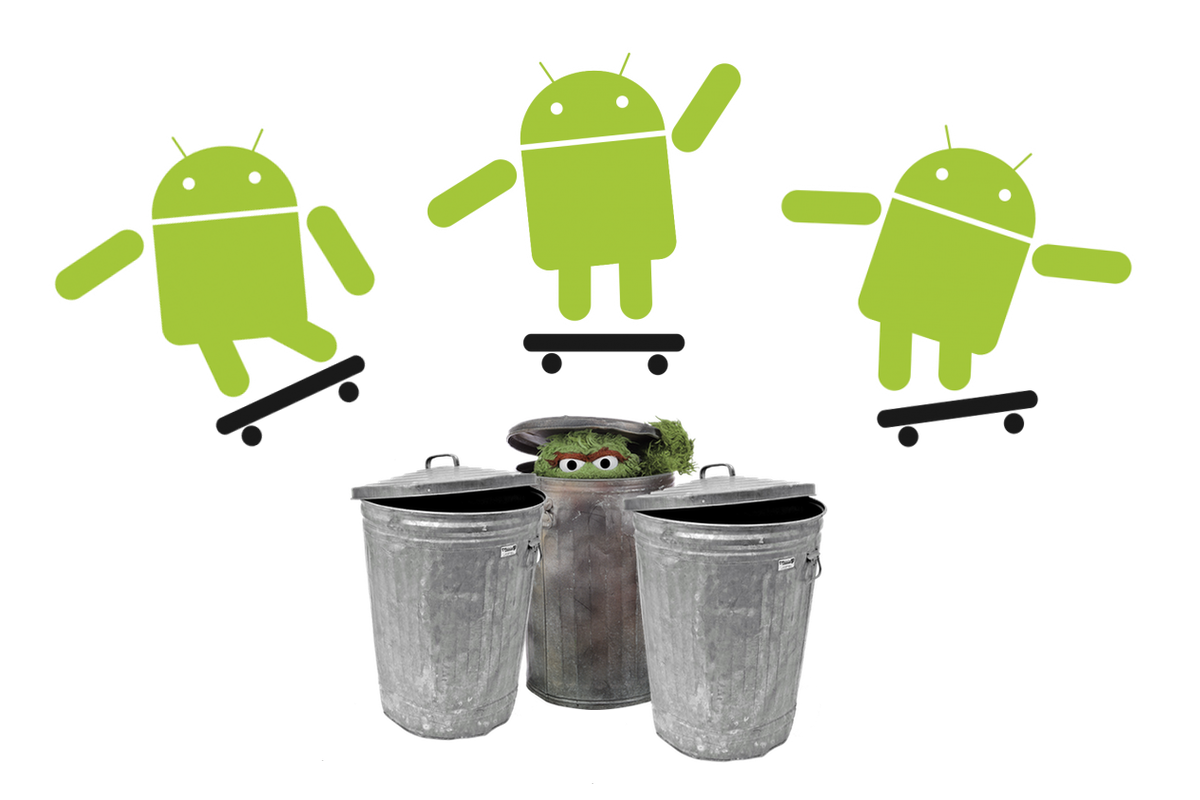
Image credit: Tech in Asia
Foreseeing the potential for trade troubles, Huawei has had a phone OS project under development for some time. Sources have suggested that it’s not even close to ready, but with the Android ban, development of the project is undoubtedly going into overdrive, and Huawei has said that it will be ready for Chinese consumers later this year, and international customers will get it by early 2020.
None of that should come as any surprise. But of course, the question isn’t whether Huawei can make an Android replacement, it’s whether Huawei can make a good Android replacement. And although nobody’s seen what Huawei’s working on yet, the company faces a steep uphill climb – and the signs are not looking great.
First, there’s what Huawei itself has said.
Although the company has been working on this OS for some time, it reportedly never planned to use it outside of China, and the statements it made before the ban suggest that it would prefer not to use its original OS at all. Huawei’s own consumer division CEO, Richard Yu, has publicly referred to the system as “Plan B.” As recently as last week, Yu said Huawei would “prefer to work with the ecosystems of Google and Microsoft.” That doesn’t suggest that Huawei thinks it has a world-beating OS on its hands.
Second, there’s the historical record, which is littered with the corpses of failed Android replacements. Mozilla’s Firefox OS failed. Amazon’s Fire phone failed. Canonical’s Ubuntu phones failed. Microsoft’s Windows Phone failed.
Even Samsung – the world’s biggest smartphone maker – failed when it tried to come up with a decent Android alternative.
The Korean giant shipped the first devices using its Linux-based Tizen OS in 2013. Tizen was integrated into Samsung cameras, smartwatches, and Samsung’s new line of Z-series phones.
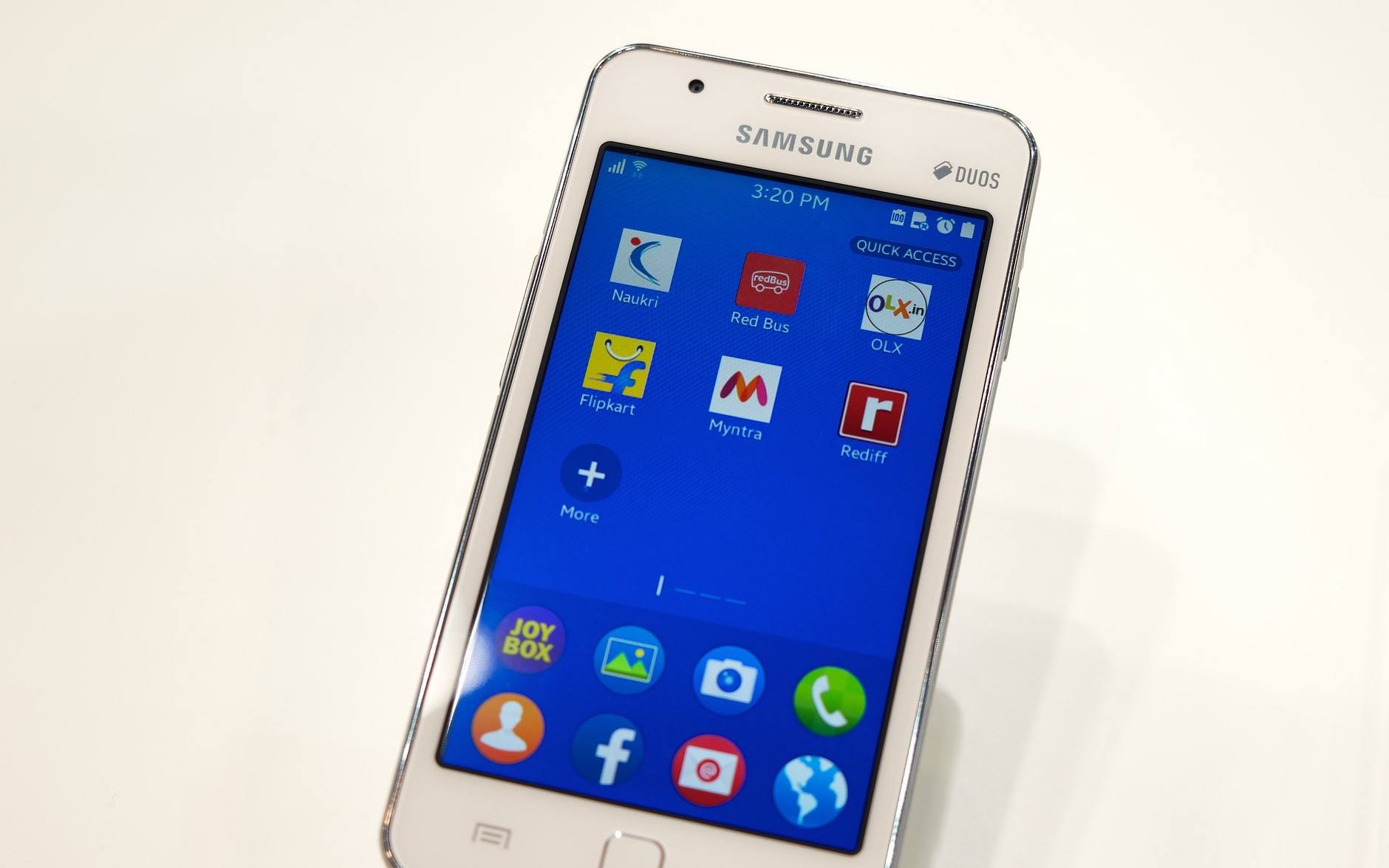
Photo credit: Kārlis Dambrāns / Flickr
But sales were middling and the public response to Tizen was not great.
After a 2017 article in Vice reported no less than 40 zero-day exploits in the software, calling it “a hacker’s dream,” Samsung quietly gave up, and no Tizen smartphones have been released since.
Stay ahead in Asia’s tech landscape
This is premium content. Subscribe to read the full story.
This rocky path is littered with corpses.
We know this is not ideal. ⌛ Sign up in 20 seconds. Cancel anytime.
Our subscriber community includes professionals from these companies:





Stay updated on the go with our mobile app.
Get latest insights with smoother, more personalized experience through TIA mobile app.







📅 Upcoming Events
22 October 2026
Payoneer x CSPN Summit 2026