- Premium Content It takes our newsroom weeks - if not months - to investigate and produce stories for our premium content. You can’t find them anywhere else.
 Jonathan Burgos · · 5 min read
What happens when remote working becomes the new normal?
Covid-19 may change the way we work forever.
Depending on which city you’re based in, you’ve probably been working from home for at least two months. Chances are, you’ll continue to work remotely for the foreseeable future as companies figure out how they can resume their businesses while instituting social distancing measures.
For sure, workers will return to a different office environment. But beyond needing to regularly check their temperatures and constantly wear face masks, their work desks will look different as well. Open-plan co-working spaces, for instance, are now making room for partitions.
For Singapore-based flexible workspace provider JustCo, this means reducing the number of seats and spacing out furniture in common areas and meeting rooms, a move that could impact revenue. Meanwhile, Jakarta-based CoHive is rolling out more private offices across its properties.
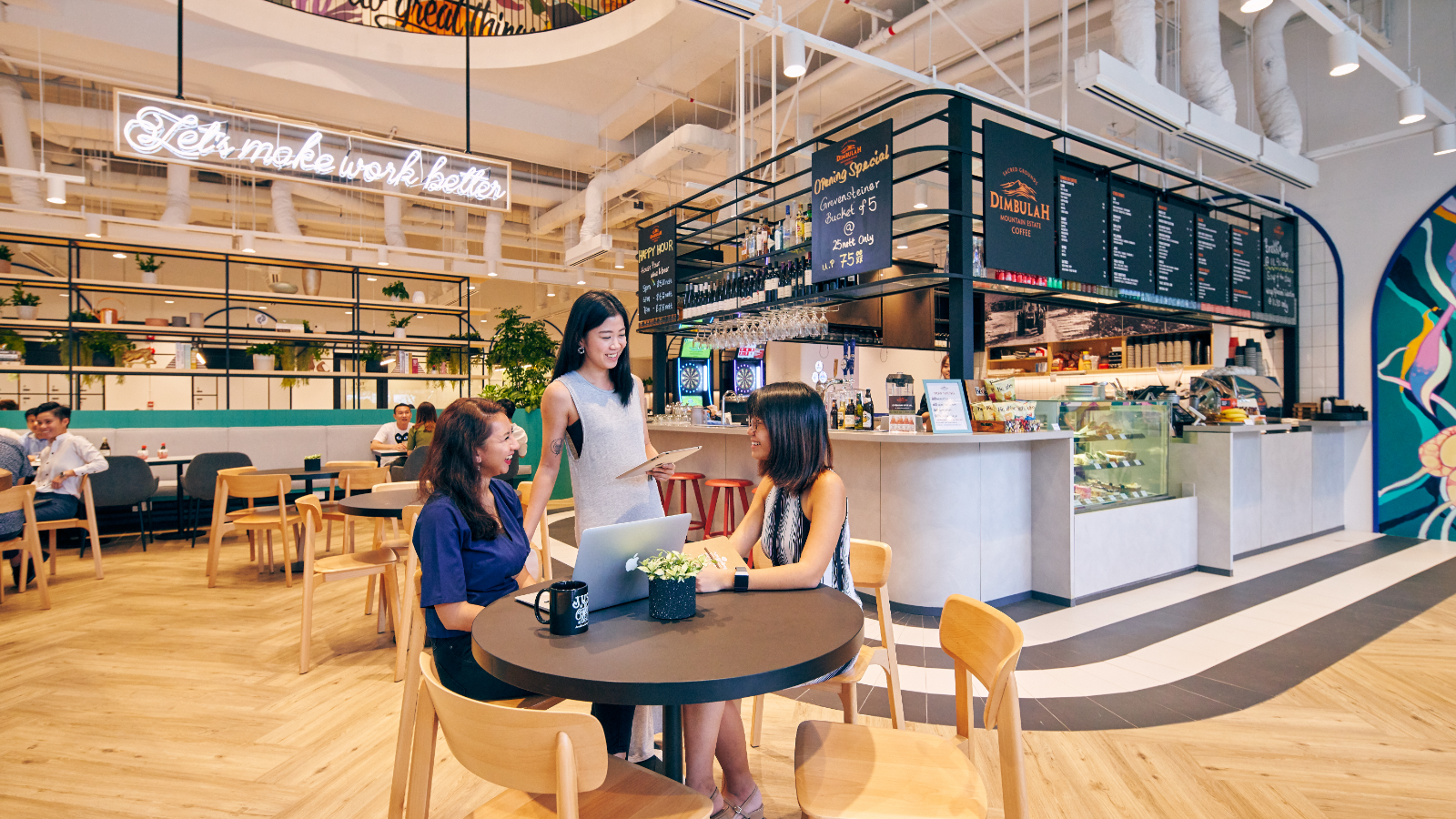
Photo credit: JustCo
Even as office landlords implement design changes post-pandemic, many companies including tech giants Facebook, Google, and Twitter are allowing their employees to telecommute using video-conferencing platforms and other office productivity and collaboration tools for a prolonged period. What this means for companies is that they can lease fewer office spaces or give up their leases entirely.
This paradigm shift in the way companies view their offices has already weighed on commercial real estate rentals across Asia, with transaction volumes slumping 51% in Q1 2020, according to a report by real estate consultancy firm Knight Frank. Office leasing activity dropped 73% in April as companies around the region had their employees work from home, the same report revealed.
Combined living, working spaces
The outlook for the office rental market looks grim, particularly in Jakarta, where several startups are downsizing or closing shop. Those that can carry on with their businesses are giving up their office leases in the central business district and moving their employees to co-living spaces that provide remote working facilities.
One such company is startup consultancy firm Trident Global Services. CEO and founder Manu Asvalyan says he ended the company’s co-working space arrangements in the Jakarta CBD area, as the offices became inaccessible to his employees after the government imposed a lockdown in March.
“Our deliverables had to happen, but our teams couldn’t travel to the designated office spaces,” Asvalayan says. “So the only available option for us was to work from home. Wherever the team is, they can still work together.”
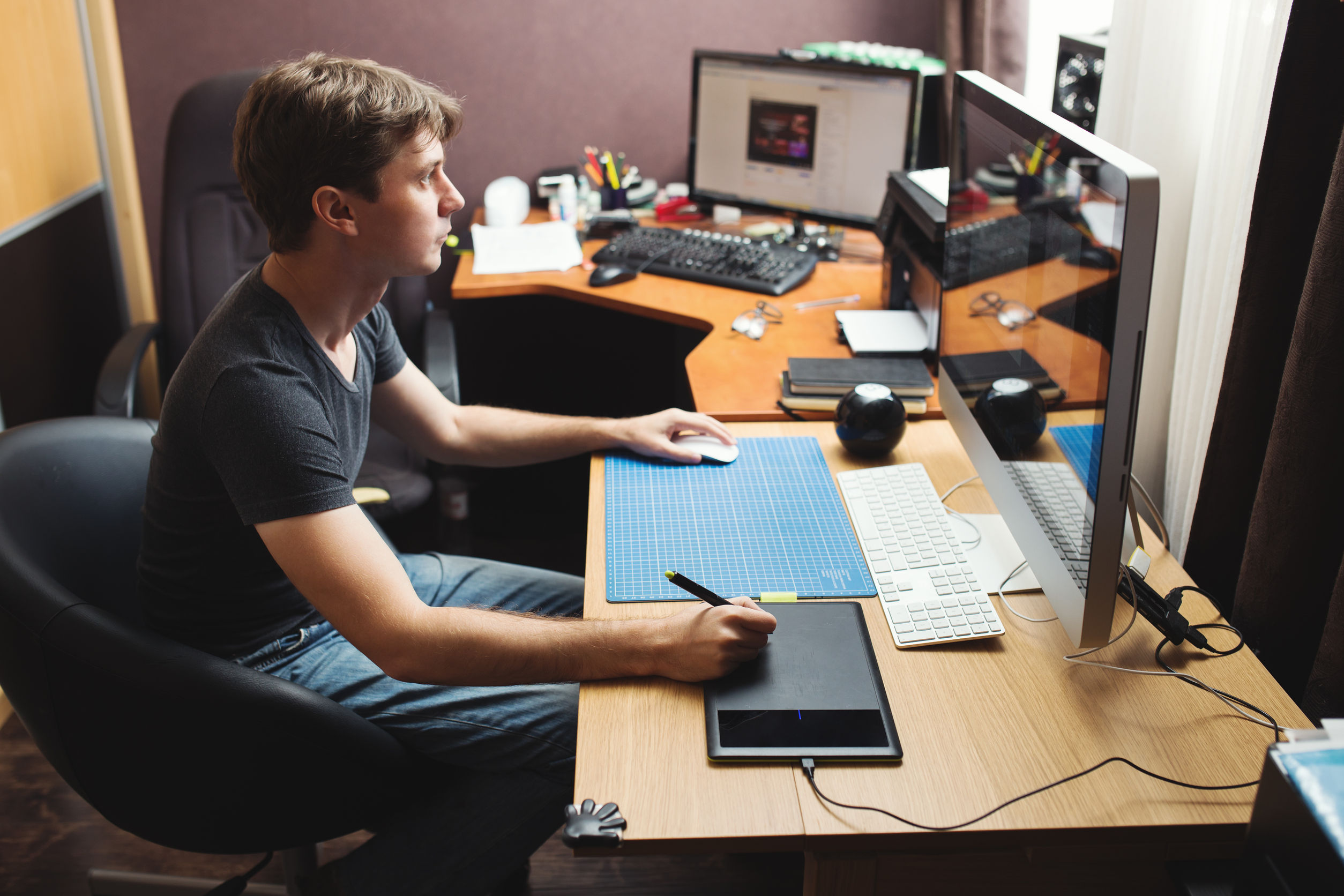
Photo credit: maximkostenko / 123RF Stock Photo.
Instead, Trident is currently renting five three-bedroom apartments in a co-living space operated by Flokq outside Jakarta’s CBD. The units are occupied by up to 15 IT engineers from India who are working on several Trident projects in Indonesia. To make the apartments conducive as workplaces, Flokq refurbished and rearranged the units to accommodate extra desks and other office amenities such as projectors.
“We have to work hard and perform better during this pandemic to ensure that our projects don’t end up being terminated,” Asvalayan says, adding that consolidating co-living and co-working spaces together has helped lower the company’s overhead costs by as much as 35%.
Expansion plans on track
Stay ahead in Asia’s tech landscape
This is premium content. Subscribe to read the full story.
Co-living will see a surge, and offices will evolve but won’t die out.
We know this is not ideal. ⌛ Sign up in 20 seconds. Cancel anytime.
Our subscriber community includes professionals from these companies:





Stay updated on the go with our mobile app.
Get latest insights with smoother, more personalized experience through TIA mobile app.












📅 Upcoming Events
22 October 2026
Payoneer x CSPN Summit 2026