- Premium Content It takes our newsroom weeks - if not months - to investigate and produce stories for our premium content. You can’t find them anywhere else.
 Glenn Kaonang · · 7 min read
China’s hooked on microdramas. Will Southeast Asia tune in?
Suci, a 38-year-old Indonesian teacher who goes by her first name, spends most nights watching Chinese microdramas on her smartphone.
Instead of rotating her screen as one does when watching a regular TV show, she keeps it TikTok-style – i.e., vertical. “This is what I love about vertical microdramas. They’re convenient,” she tells Tech in Asia.
There’s strong demand for this bite-sized entertainment format in China. The country’s microdrama industry generated 50.4 billion yuan (US$7 billion) in 2024, according to China Daily, citing data from an industry whitepaper published by Tencent.

Some microdrama titles from Indonesian firms IDN and KaryaKarsa/Image credit: Timmy Loen
That figure surpassed China’s annual box office revenue for the first time, cementing microdrama’s new status as a dominant force in entertainment. In September 2024, streaming giant iQiyi announced its expansion into the category.
The trend is now spilling into Southeast Asia, with apps like DramaBox, GoodShort, and ByteDance’s Melolo dominating the charts on Apple’s App Store and Google Play in markets like Indonesia.
Media companies and streaming platforms in the region are catching wind of the opportunity. For example, Indonesia’s IDN debuted microdramas on its platform on March 18. In Singapore, streamer Viddsee recently began dabbling with original productions.
Comfort watching
As the name suggests, vertical microdramas are shot entirely in portrait mode, with each episode running for about one to three minutes. The production is often low-quality, and the plots can be cringey – but that hasn’t stopped microdramas from building a loyal fanbase.
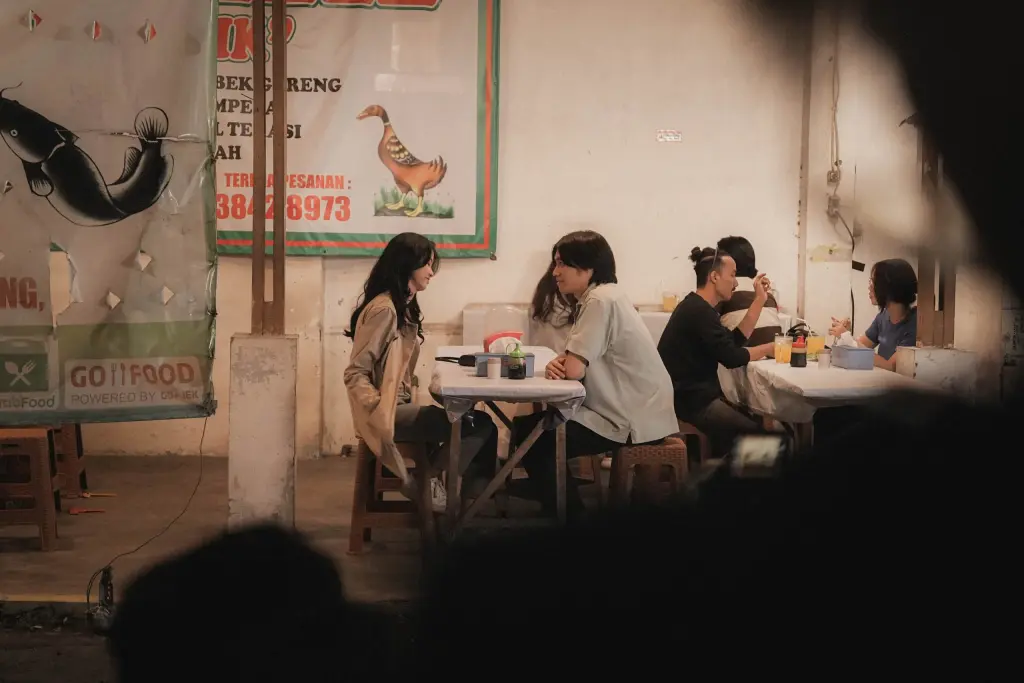
Behind the scenes of a microdrama production by Indonesia-based startup KaryaKarsa / Photo credit: KaryaKarsa
Ana, another microdrama fan from Indonesia, says she’s hooked even if the storylines are predictable.
“From contract marriage to people magically transported into the past, these clichéd plots appear in multiple series,” she observes. “I like them because I don’t have to think much while watching.”
See also: From short-film curation to Netflix series: how Viddsee plays the streaming game
She’s not alone. Psychologists call this comfort watching, where viewers repeatedly turn to familiar shows for a sense of ease. Knowing exactly what will happen next is part of the appeal.
Short shows, real money
The playbook from China
Stay ahead in Asia’s tech landscape
This is premium content. Subscribe to read the full story.
SEA’s media firms and streamers, however, still have a long way to go before turning bite-sized stories into big business.
We know this is not ideal. ⌛ Sign up in 20 seconds. Cancel anytime.
Our subscriber community includes professionals from these companies:





Stay updated on the go with our mobile app.
Get latest insights with smoother, more personalized experience through TIA mobile app.











📅 Upcoming Events
22 October 2026
Payoneer x CSPN Summit 2026