In the relatively young, fast-growing, and dynamic world of online shopping, Ku Young Bae is considered an industry veteran.
The South Korean serial entrepreneur is best known for launching Gmarket in 1999: the country’s answer to eBay at the time.
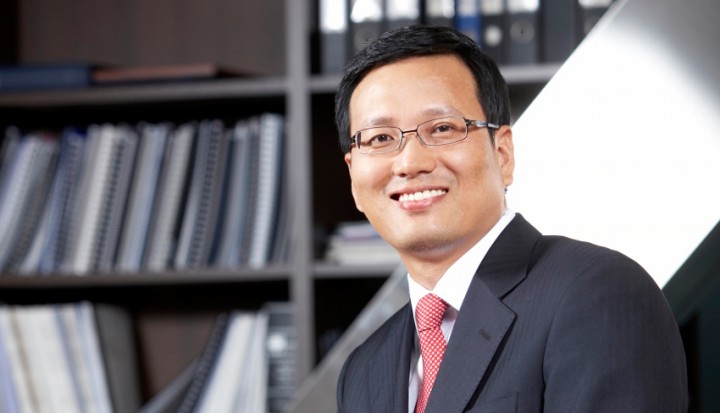
Qoo10 founder Ku Young
A decade later, he had sold the business to eBay itself and pivoted to Singapore with his latest ecommerce success story: Qoo10.
Pronounced Q-10, the platform enables consumers to shop for everything from cosmetics to powdered milk, clothing, and furniture sold by a range of small- and medium-sized merchants and manufacturers from across Asia.
“My mindset is old-school compared to some of the new entrepreneurs who are a lot more aggressive and confident,” says Ku, 53, recounting the slow, careful way he built up Qoo10.
The likes of China’s Taobao and Singapore-based Lazada – both owned by Alibaba, parent company of the South China Morning Post – “can focus on scaling up quickly, regardless of how much money they lose … but I can’t go about it that way,” Ku says.
The Lion City’s ecommerce industry was valued at US$4 billion last year and is projected to see double-digit growth over the next few years, reaching the S$10 billion (US$7.4 billion) level by 2022, according to payments technology firm Worldpay.
Such promises of riches have attracted a slew of new players, among which the relatively diminutive Qoo10 can look like a David in a land of more deep-pocketed Goliaths.
Lazada, for instance, has raised US$4 billion in funding since 2013, while Shopee, another Singapore-based rival, raised more than US$1.5 billion in March alone. By comparison, Qoo10 has raised just US$230 million from investors since its inception, despite being backed by eBay.
Its competitors also dwarf it in terms of size of workforce, with Lazada and Shopee each employing more than 8,000 people across the region, while Qoo10 has only 600.
Yet, Ku’s brainchild remains Singapore’s most popular ecommerce site. During the first quarter of this year, it had more than 7.9 million visitors, ahead of Lazada’s 7.4 million and Shopee’s 2.5 million.
“We have been building our business much longer,” Ku says, in reference to both Qoo10 and its South Korean predecessor Gmarket. “We have been doing this for almost 18 years, so we don’t need to depend on big marketing campaigns or social media, or by lowering prices like other platforms … we keep improving, updating, and improving our platform.”
The connections it has formed along the way have also helped. “We work with 40,000 merchants; in Singapore alone we have 15,000,” Ku says. “We want to focus not on margins and lower prices but on small- and medium-sized enterprises: these merchants we work with are from Korea, China, Japan, Singapore, Malaysia, Taiwan, and Hong Kong.”





Stay updated on the go with our mobile app.
Get latest insights with smoother, more personalized experience through TIA mobile app.