- Insights This article was written by a TIA community member. Insights pieces undergo the same rigorous editorial process that newsroom-produced articles have.
 Nathan Thompson · · 3 min read
How to protect yourself against crypto scams and hacks
Nathan Thompson is the lead tech writer for major crypto exchange Bybit. This article is part of Crypto Insights, a column that dives into the latest and most pertinent issues in the crypto space.
To put my own spin on the lyrics of classic rap group NWA: “When a hack happens in crypto, nothing happens. It’s just another bridge dead.”
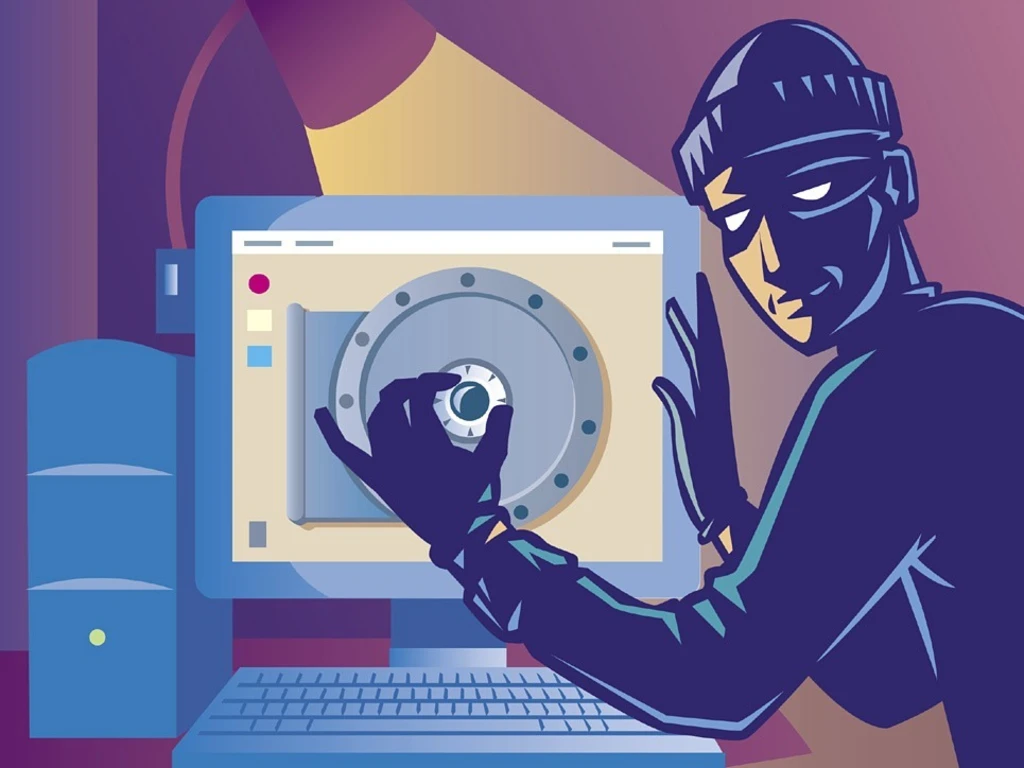
Photo credit: Cuneopost
Straight out of the dark web, hackers robbed Nomad, a bridging protocol that allows token transfers between blockchains. On August 1, they looted nearly US$200 million — close to all of Nomad’s funds, CoinDesk reported.
The exploit allowed several attackers to “copy/paste transactions and quickly drain the bridge in a frenzied free-for-all,” according to Twitter user and crypto security researcher @samczsun. So far, about US$9 million has been returned.
Soon after the hack, Slope, a mobile app that connects to the Solana blockchain, suffered an exploit. On August 3, a widespread exploit drained over 9,000 Solana wallets of crypto assets worth close to US$5 million.
The disarray is part of the growing pains of this new technology.
It goes without saying that you should think twice before replying to an email or social media message from an unknown person or account. And you certainly should never give away any personal information unless you started the communication and are 100% sure the other person is who they say they are.
Using a reputable centralized exchange (CEX) is a good way to lessen your exposure to attacks. If you have money lying around in liquidity pools on several bridges and blockchains, then you have a larger attack radius. Top CEXs have advanced security and battle-tested protocols, which offer more protection.
Cold wallets such as Ledger or Trezor can also help. They don’t contain crypto tokens the same way a brown leather wallet contains cash. Crypto assets live on blockchains and require unique keys to access them, and cold wallets store these keys offline where hackers can’t reach them.
Popular brands like Ledger and Trezor make cold wallets that look like USB hard drives and connect to devices via USB cables or Bluetooth. They are secured by passphrases and PIN numbers, so even if you lose the cold wallet, you can recover any funds using a passphrase. Just don’t forget what that is.
One way of navigating crypto that is suitable for beginners is to treat a CEX like a current account and a cold wallet like a long-term savings account. The CEX allows you to trade, earn, and swap money easily, while the cold wallet holds your long-term investments safely.
More experienced users are probably using a browser wallet like MetaMask. These wallets can access decentralized finance applications to fund loans, take out loans, buy non-fungible tokens (NFTs), play blockchain games, or sign up for NFT and token airdrops.
But browser wallets are vulnerable to attack just like anything on the internet. Malware can steal your login details, for example.





Stay updated on the go with our mobile app.
Get latest insights with smoother, more personalized experience through TIA mobile app.