Samantha Cheh · · 6 min read
How 2 cybersecurity startups solved their talent woes

Hiring is often a tricky affair, but it’s especially tough for cybersecurity startups.
In fact, it’s so difficult that the global industry struggles with persistent talent shortages, which is estimated to exceed 85 million by 2030. The shortfall is acute for startups, which are hamstrung by limited resources and low brand-name recognition.
Shane Chiang, co-founder and chief executive at Singapore-based Momentum Z, faced this very issue as his cybersecurity startup entered a phase of rapid growth.
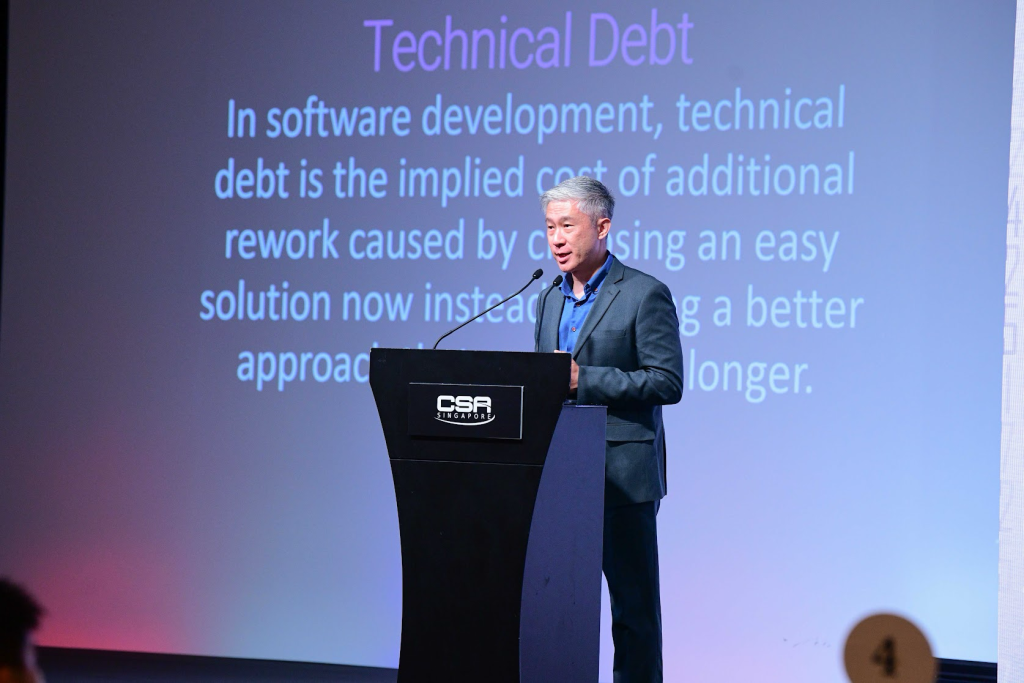
Shane Chiang, CEO at Momentum Z / Photo credit: Momentum Z
“We found people with the right skills and great personalities. But because they came from big multinational companies, they were asking to be paid at the same rate, which just isn’t realistic,” he says. “Some were willing to take a pay cut, but we’ve also had people with fantastic resumes leave after three months because they had this imaginary idea about what startup life should be.”
Hard and soft skills matter
Neo Junhao, director at cybersecurity service provider Fortiedge, faced similar problems, with the added complication of the “niche abilities” needed for the Singaporean company’s line of work.
Both Fortiedge and Momentum Z are considered deeptech players. Deeptech is arguably one of the most difficult technology segments to break into because it requires advanced skill sets and subject matter expertise.
“Fortiedge does red teaming, which is basically a kind of ethical hacking that requires certain certifications that are limited in the market,” explains Neo. “Getting this certification can take between a month to four months, and people who do have it are in very high demand.”

Neo Junhao, director of Fortiedge / Photo credit: Fortiedge
Soft skills are just as important, particularly in Momentum Z’s case. Apart from providing cybersecurity products and services, the startup also consults with companies on how to best set up their internal cybersecurity processes and architecture.
“We break it down for organizations so they understand that they don’t have to spend an insane amount of money on something they don’t need,” Chiang says.
He continues: “It’s not just about having a consultancy or cybersecurity skill set. You have to be able to understand the IT background and the technical jargon and explain it to our customers, who may not be familiar with the terms.”
For both Chiang and Neo – not to mention the broader deeptech community – finding the right talent is time-consuming and expensive.
Working with recruitment agencies can be costly but not necessarily effective. Hiring fresh graduates or from outside the industry and providing training is another option, but this entails hefty spending – something that a growing startup may not be able to justify.
Broadening the talent pool
A solution emerged in the form of the PowerX program, an initiative launched by SGInnovate to match deeptech startups to a pool of aspiring tech talent and accelerate skills development, with co-funding of up to 70%. Government-backed SGInnovate is a deeptech ecosystem builder and investor.
For starters, PowerX helped Momentum Z and Fortiedge save time, money and effort by identifying candidates that don’t just have the technical skills but also the right mindsets.
According to Chiang, the PowerX experience was much more “nurturing and helpful” compared to the typical process with recruitment agencies, allowing him to meet candidates that were more aligned with what Momentum Z was doing.
“[PowerX] understood each individual and our culture very well,” he adds.
More crucially, however, the program allowed Chiang’s company to tap into a diverse pool of talent that it would not have had access to otherwise.
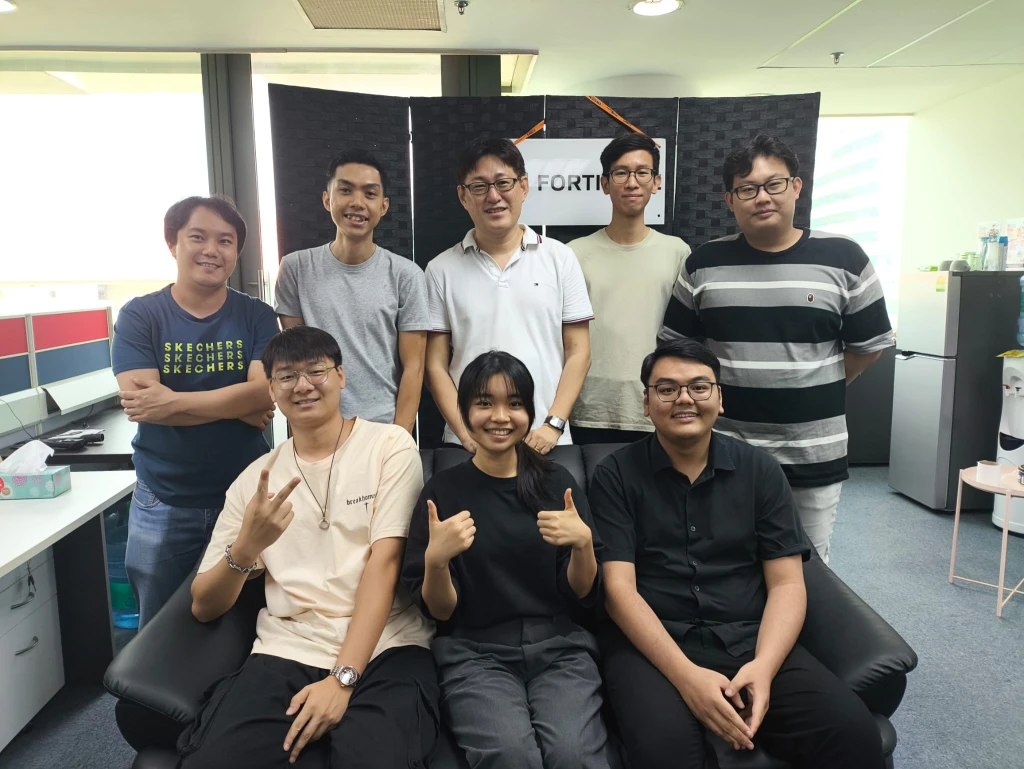
The Fortiedge team / Photo credit: Fortiedge
Candidates in the PowerX program are typically professionals with STEM backgrounds and at least one year of working experience. By matching them to the right companies, candidates can upskill and receive on-the-job training while startups get the talent they need. PowerX supports this exchange financially and through other means, helping to plug the talent gaps faced by many startups today.
The way PowerX operates means that startups might get candidates who are not from the tech industry. A former sales promoter and a data scientist with analytics and statistics-focused skill sets joined Fortiedge through the program, and Neo believes this was a good thing.
“Obviously it’s easier to train those with IT backgrounds, but we’ve seen some benefits from hiring those with non-tech backgrounds,” he says. “They bring new perspectives and insights that we are always on the lookout for. We try to avoid groupthink, and a fresh pair of eyes helps us bring new solutions that improve the company.”
Benefits for both sides
The PowerX program has been immensely beneficial to Momentum Z and Fortiedge that goes beyond getting the right talent on board.
For one, Chiang has been able to concentrate on scaling his business. Two employees who joined Momentum Z via PowerX are taking on more responsibilities leading client-facing projects. They have also been promoted twice since being hired.
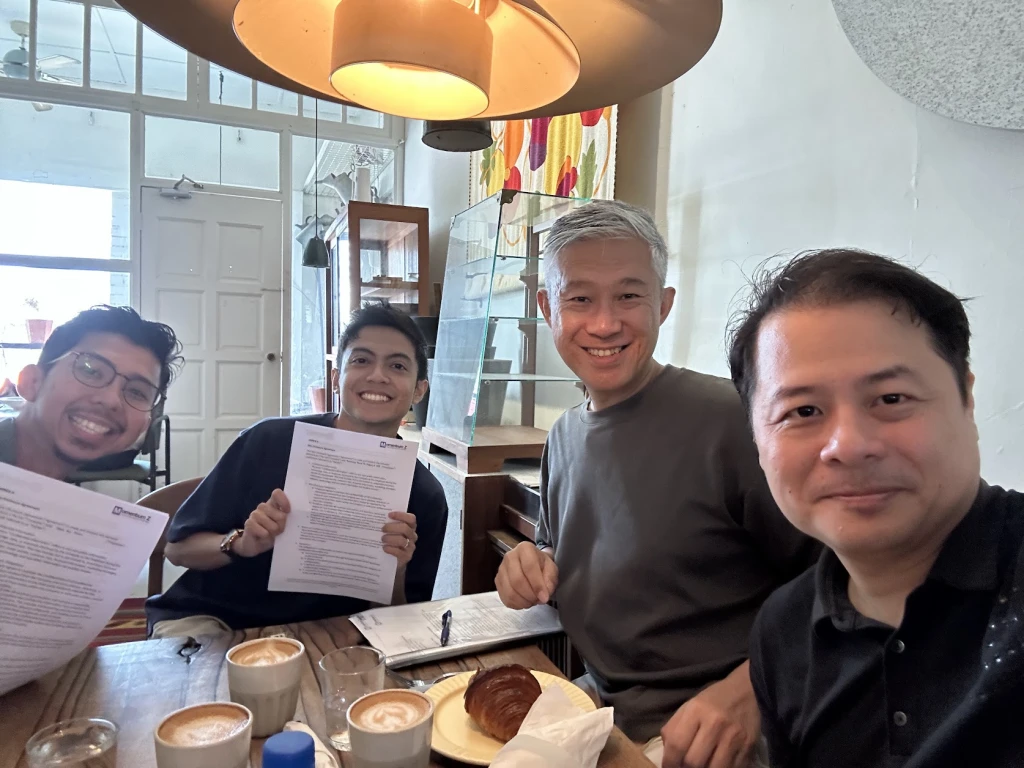
Chiang (second from right) with the employees who joined Momentum Z through the PowerX program (first and second from left) / Photo credit: Momentum Z
“Thanks to the dedication of our team, I can devote greater attention to the overarching business strategy and identify new growth avenues, including in promising markets like Indonesia and Vietnam,” Chiang shares. “Without the support of my team, handling all the clients and other responsibilities would have been impossible. Teamwork is essential for our company’s growth.”
Fortiedge’s Neo highlights PowerX’s reputational rewards. By bringing more people into the industry and training them up, awareness of cybersecurity’s importance will grow and lead to more referrals and potential hires.
“When you’re small, most of your hiring referrals come from word of mouth or those already interested in joining the industry,” he says. “This program has helped us reach people outside these circles.”
Lessons learned
For Chiang and Neo, programs like PowerX have not only helped alleviate some of their struggles but also made it easier for them to address bigger concerns when it comes to hiring. For example, instead of being bogged down by small details, they can focus on identifying which candidates are best suited to their companies and have the right mindset for the startup life.
“You may have candidates who can do lots of things, but they may lack the passion and direction to achieve their goals,” Neo says. “It’s also hard to pinpoint what exactly are the core characteristics of a great hire, but we try to look beyond set scripts.”
In his experience, the best hires are candidates with a sense of curiosity and a hunger to try and learn new things.
Chiang believes that startups need to target candidates with the right attitude and who can fit into the culture.
“If a person is weak, you can train them to be strong,” he concludes. “We can certainly provide the training, but having the right attitude comes from them.”
SGInnovate is a Singapore government-backed deeptech ecosystem builder and investor. Visit its booth at the Singapore Week of Innovation & Technology on October 28 to 30 at Marina Bay Sands to learn more about what it does.
PowerX is an initiative by SGInnovate aimed at connecting startups with a diverse pool of tech talents. Through personalized advisory support and up to 70% funding, the program empowers startups to streamline talent acquisition. It provides an immersive experience for those keen to work in deeptech and stay ahead with the evolving tech startup landscape.
Find out more about PowerX on its website.
This content was produced by Tech in Asia Studios, which connects brands with Asia’s tech community. Learn more about partnering with Tech in Asia Studios.
Stay updated on the go with our mobile app.
Get latest insights with smoother, more personalized experience through TIA mobile app.
Recommended reads
 Alibaba’s capex isn’t the full story
 Forget startups. Buy the business running on Excel
 Life’s a game, and AI agents are Animoca’s new play
 Indonesian AI startup goes global
 Forrest Li on scaling Sea, building smarter bots, and founder grit
 An AI assistant that joins sales calls and scores team skills
 Beyond the check: Why VCs need more than capital
 SGX’s CEO says it doesn’t need a unicorn to win
 SMEs want AI too, but not the kind Big Tech is selling
 Oatside’s alt-milk rise hits a profitable gear





Editing by Stefanie Yeo, Winston Zhang, and Eileen C. Ang
(And yes, we’re serious about ethics and transparency. More information here.)