- Insights This article was written by a TIA community member. Insights pieces undergo the same rigorous editorial process that newsroom-produced articles have.
 Paul Ashton · · 6 min read
Breaking into Japan? Start with Facebook, not LinkedIn
If you’re planning to grow a business in Japan and you’re betting on LinkedIn, you might want to take a beat. Despite what global playbooks tell you, LinkedIn is still a niche platform in Japan.
The numbers paint a stark picture: LinkedIn has roughly 5 million users in a country of over 125 million people – that’s just 4% of the total population. A bit of quick and dirty arithmetic shows that even among Japan’s 16- to 65-year-olds, which consists of around 70 million people, LinkedIn only has a market penetration of 7%.
In comparison, LinkedIn has 260 million users in the US and nearly 350 million across Asia Pacific. If Japan looks like an outlier here, that’s because it is.
Instead of LinkedIn, much of Japanese business networking runs on a surprising platform: Facebook.
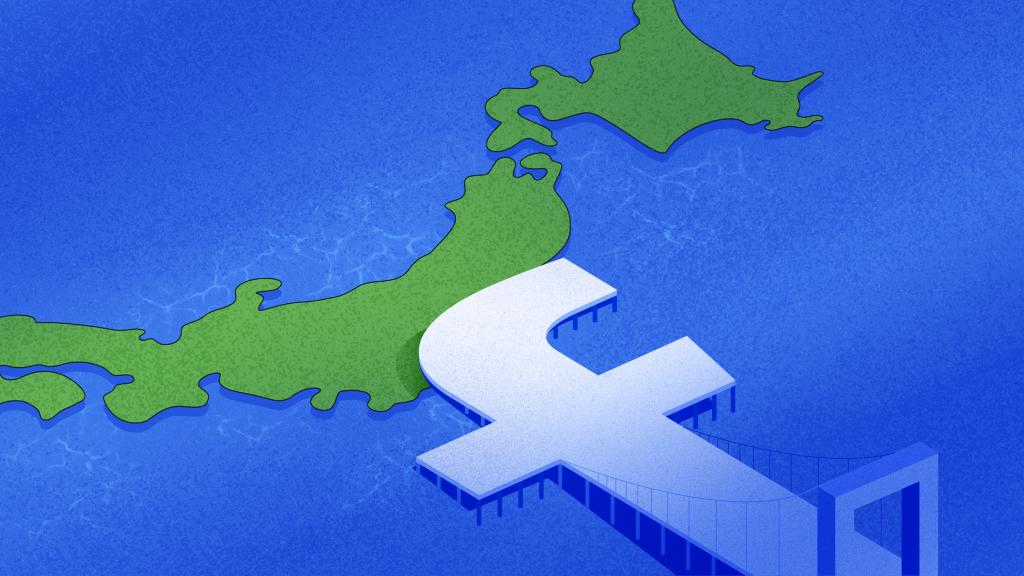
Image credit: Timmy Loen
Yes, the same Facebook that’s been steadily hollowed out in Western markets. Also the same Facebook where birthdays, babies, and political shouting matches dominate the feed.
But in Japan, Facebook never stopped being a place where you could be serious.
So what does this mean for companies from overseas trying to do business in the country?
Real names, real results
An early cultural mismatch is part of how Facebook became a networking tool in Japan.
The Japanese-language version of Facebook was launched in 2008, and those signing up for the platform had to use their real names. But this requirement was at odds with how Japanese people were using social media at the time: 75% preferred to use a pseudonym online.
However, among professionals who had already met in person, Facebook gradually became a way to stay in touch and signal trust, because it fit the country’s existing norms around relationship-building.
People connect on Facebook after they meet in person at an event, over a meal, or through a trusted introduction. The platform became the natural post-meeting handshake and evolved – quietly but persistently – into a working professional tool.
See also: Meet the 50 top-funded startups and tech companies in Japan
Over the last 20-odd years, I’ve seen Facebook Messenger act as a kind of stealth business-to-business platform in Japan. Meeting follow-ups, business updates, partnership pitches, and even job offers – all of this flowed through the platform in one way or another.
The networking playbook
The B2B stack
Stay ahead in Asia’s tech landscape
This is premium content. Subscribe to read the full story.
Japan’s networking culture flips the script on what works. If LinkedIn is your go-to platform, you might be missing the mark.
We know this is not ideal. ⌛ Sign up in 20 seconds. Cancel anytime.
Our subscriber community includes professionals from these companies:





Stay updated on the go with our mobile app.
Get latest insights with smoother, more personalized experience through TIA mobile app.