Li Tao · · 4 min read
Why Huawei’s low-profile founder has grabbed the microphone to defend the telecoms giant
Ren Zhengfei was never really one for the limelight.
Before his daughter and Huawei Technologies deputy chairwoman Sabrina Meng Wanzhou was arrested in Vancouver in December at the request of the US government, the 74-year-old founder of the company had never given a television interview. Nor did he often speak to journalists.
Now, he is everywhere. US network CBS News aired its interview with Ren on Tuesday, in which the Chinese entrepreneur pledged that Huawei will not share data with the Chinese government. The day before, BBC News broadcast its interview with Ren, during which the ex-soldier described the arrest of his daughter as politically motivated. He also said there is no way the US can crush Huawei.
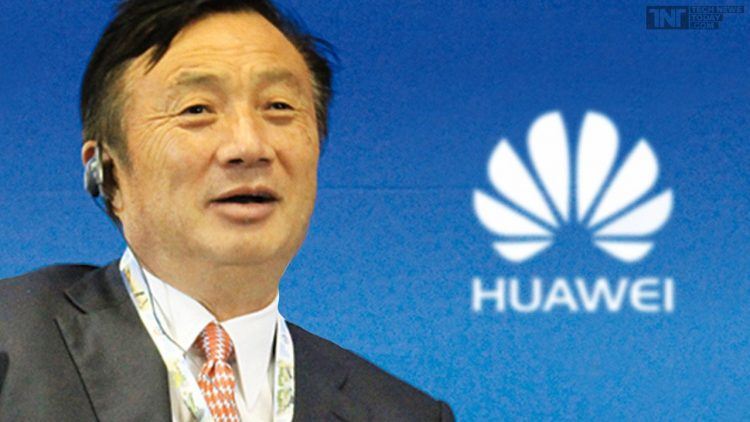
Huawei founder and president Ren Zhengfei / Photo credit: Huawei
In the past month, Ren has spoken with reporters from both foreign and domestic media organizations. He gave his first-ever TV interview to state broadcaster China Central Television. He has maintained a consistent message: Huawei does not spy for the Chinese government and will not share data with the Chinese government. Before this, the last time he spoke to international media was in 2015.
Yet in the first month since the crisis erupted with Meng’s detention on December 1, Ren was content to allow his lieutenants to do the talking. Huawei’s rotating chairman Ken Hu Houkun held a round table on December 18 with journalists from 14 international media organizations at the company’s new campus in Dongguan. Chairman Liang Hua spoke to a group of mainland Chinese media in Huawei’s Shenzhen headquarters a week later.
But as US pressure increased on Huawei over allegations of intellectual property theft and evasion of Iran sanctions, Ren decided to speak to the media in a bid to regain control of the narrative.
In his talk with foreign journalists in Shenzhen on January 15, responding to a question about his daughter, Ren said he missed her “very much” in a rare comment about his family. According to an official transcript of the media question-and-answer session, Ren also thanked the lawyers and judge in the case for their “fairness.”
In an interview with the BBC on February 19, Ren went further, saying that the arrest of his daughter was politically motivated. “Firstly, I object to what the US has done. This kind of politically motivated act is not acceptable,” Ren told the BBC.
The move into the limelight is unusual for the normally low profile Ren, who generally likes to focus more on internal management and communicate with employees in small groups, said people close to the company, who declined to be identified because the information is private.
“Ren has changed his mind since the spate of incidents from last year, as speaking directly to the media works better than letting the media write on groundless information,” said one of the people familiar with the company. “We can tell that Huawei’s voice has been heard by more people after Ren decided to speak out.”
“Ren is an influential person and it’s important that he speaks out on behalf of the company, especially with the current challenges Huawei is facing,” said another person familiar with the matter, adding that all Huawei executives are communicating more proactively with the outside world these days as the company seeks to project a more transparent and open image.
During the January media interview at Huawei’s Shenzhen campus, Ren related to reporters his motivation for joining the engineering corps of the People’s Liberation Army and the ruling Chinese Communist Party, facts which have been widely cited by the US government and in media reports as proof of Huawei’s close links to the Chinese government.
Ren, the son of schoolteachers and a survivor of China’s great famine between 1958 and 1961, also said that while he supports the Communist Party, he would “never do anything to harm any other nation.”





Stay updated on the go with our mobile app.
Get latest insights with smoother, more personalized experience through TIA mobile app.