- Premium Content It takes our newsroom weeks - if not months - to investigate and produce stories for our premium content. You can’t find them anywhere else.
 Wong Chia Peck · · 5 min read
Private equity giants touch up portfolios with K-beauty deals
Private equity firms are betting big on South Korea’s beauty sector, hoping the Korean wave that propelled K-pop globally will do the same for cosmetics and personal care.
Data from Korean advisory firm MMP shows the K-beauty industry recorded 18 M&As in 2024, worth a total of US$1.7 billion. This year has seen six M&A deals in the sector so far – including major investments by Blackstone and KKR – and they have already reached US$1.4 billion in value, according to data compiled by The Business Times.
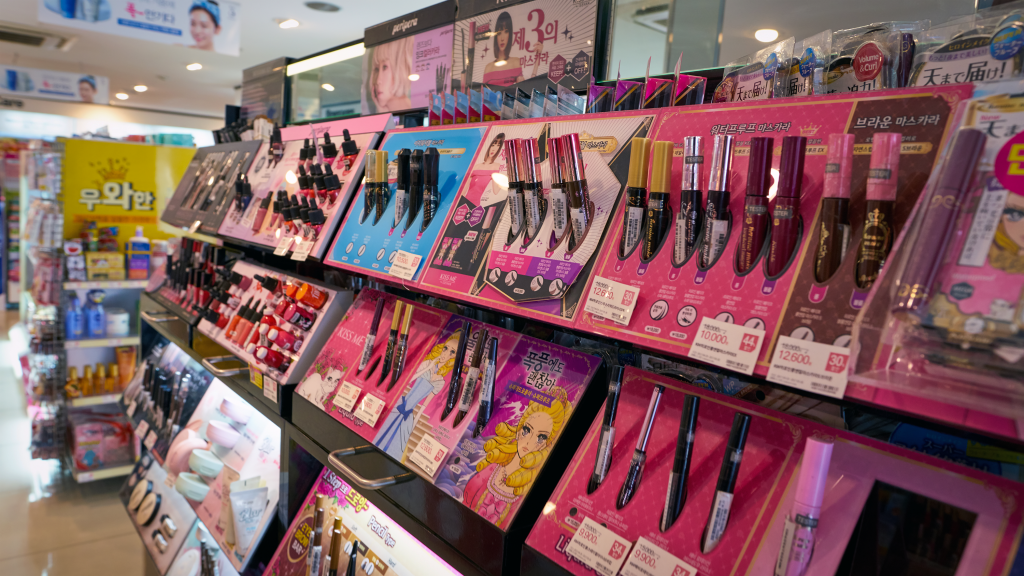
Photo credit: TEA / Shutterstock
KKR announced on September 4 that it would fully acquire cosmetics packaging company Samhwa for around US$528 million, two days after Blackstone said it was making a “significant investment” in South Korean premium haircare business Juno. The undisclosed deal terms are reportedly for a majority stake that would value Juno at 800 billion won (US$576 million).
The deals mark the first K-beauty acquisitions for both private equity giants.
Domestic private equity investors are also active in the sector. Goodai Global, known as the South Korean L’Oreal, reportedly teamed up with Hahm Partners to buy beauty brand Skinfood for US$108 million.
Industry experts say the boom is here to stay, with K-beauty products gaining global appeal.
“When you speak to experts at even the most global companies, there is a strong recognition that consumers are demanding or seeking K-beauty as part of their skincare and beauty regimen,” says Eugene Cook, head of Korea at Blackstone.
Korean wave
Korean pop culture started going global in the late 1990s via the “Korean wave.” The recent K-beauty deals are riding that wave, as interest in Korean media is spilling over to fuel demand for beauty products.
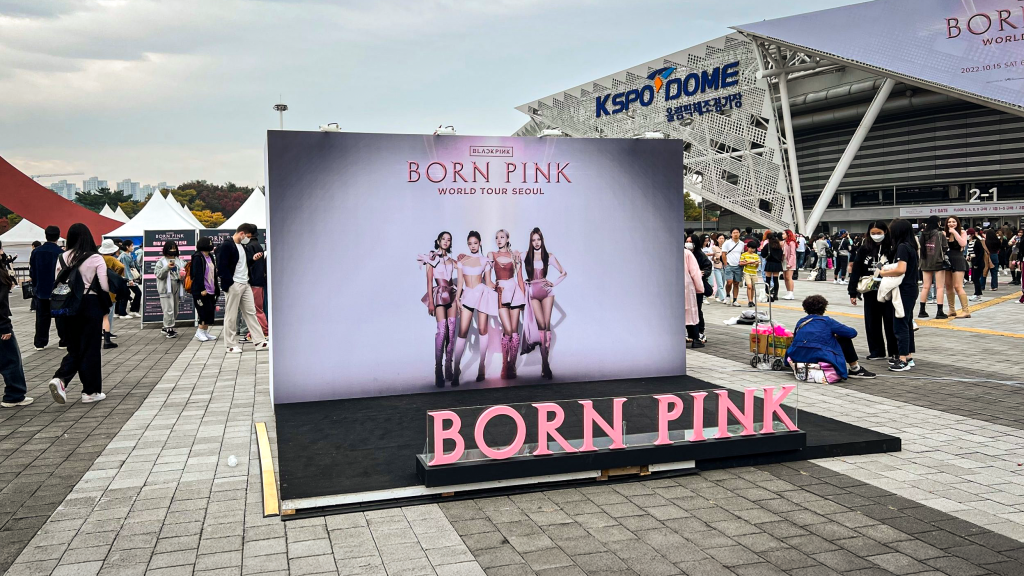
K-pop acts like girl group Blackpink have ridden the Korean wave to become global names. / Photo credit: yllyso / Shutterstock
South Korea shipped US$10.2 billion worth of beauty products in 2024, according to the country’s food and drug safety ministry. This made it the world’s third-largest exporter of cosmetics for that year, coming behind France with US$23.3 billion and the US with US$11.2 billion.
The market is expected to keep growing, with one report tipping the global K-beauty sector to grow by almost 9% annually between 2025 and 2033.
K-beauty products have solid popularity in the US, which has a population of around 2 million Koreans.
What tariffs?
Live by the trend, die by the trend
Stay ahead in Asia’s tech landscape
This is premium content. Subscribe to read the full story.
Blackstone and KKR are pouring billions into K-beauty. Here’s why investors think the sector’s glow isn’t fading and what risks could dull the shine.
We know this is not ideal. ⌛ Sign up in 20 seconds. Cancel anytime.
Our subscriber community includes professionals from these companies:





Stay updated on the go with our mobile app.
Get latest insights with smoother, more personalized experience through TIA mobile app.