 Meghna Rao · · 6 min read
How Alibaba is helping Paytm think differently about ecommerce in India

Photo credit: Barney Moss.
Paytm has had a unique approach to ecommerce in India. Originally launched as a site for mobile phone top-ups in 2010, the name is an abbreviation for “pay through mobile”. It soon pivoted to become an online wallet and, four years later, it launched an ecommerce site. In August 2015, it was one of eleven companies to receive permission to act as a “payment bank.” This means that customers can use it to do everything that a conventional bank can, including holding money, transferring between acounts, and withdrawing cash. However, it’s not allowed to give out loans, issue credit cards, or hold more than US$1,472 in a single account.
In February 2015, Alibaba’s financial arm, Ant Financial, took a 25 percent stake in the startup, with some sources estimating that the round was worth US$585 million. Soon after, Ratan Tata picked up a minority stake in the startup and, this past September, it received an estimated US$680 million from the Alibaba Group, which reportedly also took a 20 percent stake in the company.
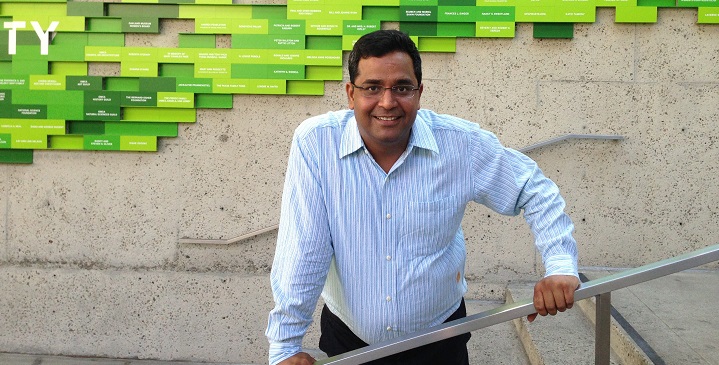
Paytm founder Vijay Shekhar Sharma
According to App Annie statistics, Paytm was the second most downloaded retail app in India last year, just behind Flipkart and ahead of Amazon and Snapdeal. It also secured the second highest number of monthly active users for 2015.
Paytm has a few tricks up its sleeve that might help it win the ecommerce game in India. Will they be enough?
A partnership with Alibaba
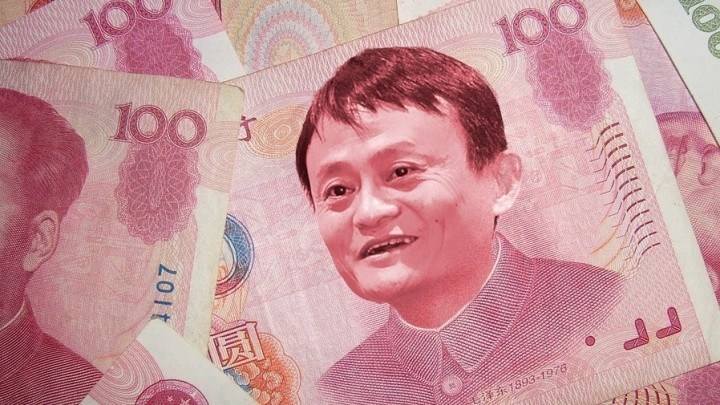
Image by TiA. Photo of Jack Ma originally from VG Photo Studio.
Paytm is the Alibaba Group’s largest investment in India to date. It’s clear that the gargantuan entity from China has a lot of advice to offer.
“The biggest advantage of working with Alibaba is the fact that it’s grown huge and solved a lot of problems,” explains Sudhanshu Gupta, associate vice president at the Paytm marketplace. “That’s something that we can pick up and incorporate. It helps us solve problems of everything from payments to marketplace fraud.”
As an ex-Flipkart employee, Sudhanshu explains that his perspective on how ecommerce works underwent a major shift after working with Alibaba. “We always thought that a marketplace was the best way to scale, but this was the first time we realized that the zero inventory model could work,” he says. “Where once I felt that the ecommerce conversation had to be: we’ll buy or keep x units of the product and then have x margins, those conversations no longer have meaning. Now we ask: can we help you bring your channel online? Are there places that we can help you get offline into?”

The changes extend beyond just a shift in perspective. A few months after Alibaba’s initial investment, Paytm announced the integration of a million Chinese sellers from AliExpress onto its platform.
Having your own wallet pays off
Coming up with new ideas for ecommerce
The battle is far from over





Stay updated on the go with our mobile app.
Get latest insights with smoother, more personalized experience through TIA mobile app.








📅 Upcoming Events
22 October 2026
Payoneer x CSPN Summit 2026