Dear readers,
PatSnap’s story is unlikely. Consider the odds it had to defy to get to its billion-dollar valuation: The company was started by fresh university graduates, had overseas ambitions despite starting out from tiny Singapore, and competed in a space that needed deep expertise.
That’s not all. It chased those goals in a time when venture capital funding in its home country was nonexistent.
In our story last week, we recounted how the startup got to where it is today. We also looked ahead at how the company could potentially get to US$10 billion in valuation.
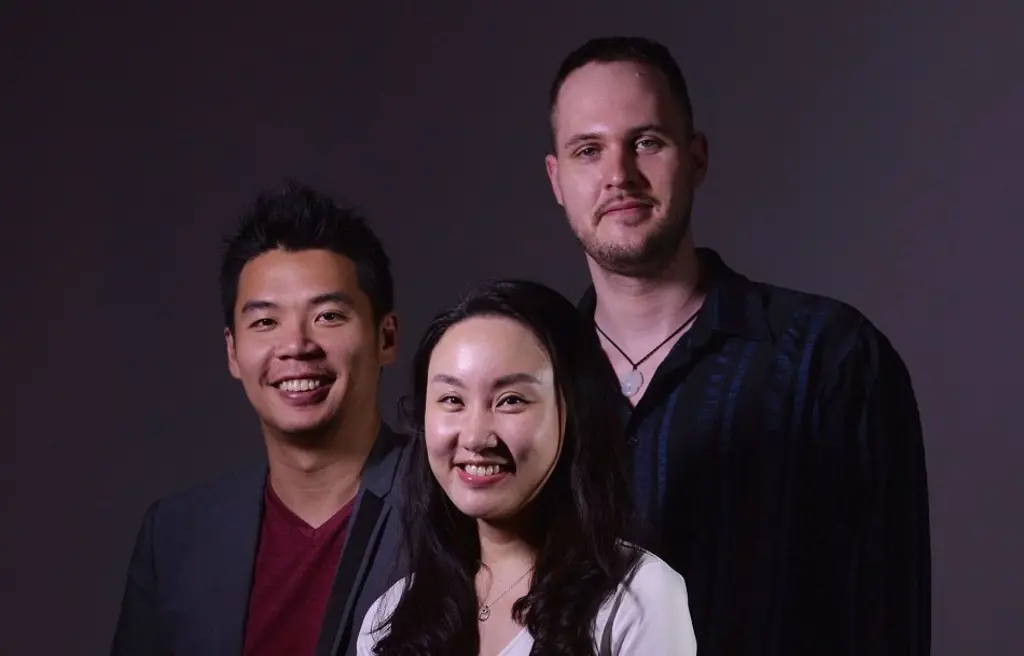
(From L to R:) PatSnap CEO Jeffrey Tiong, SVP Asia Pacific Guan Dian, and CTO Markus Haense. Photo credit: PatSnap.
For now, PatSnap is betting on the rise in “technological convergence.”
It’s a big concept, but simply put, it’s the idea that cross-discipline will be needed to achieve product breakthroughs. Xiaomi’s entry into the electric vehicle sweepstakes is an example: Cars of the future will combine software, cleantech, and AI components.
This convergence will create demand for tools that let users do research on patents, because an expert in one field will need to quickly catch up on knowledge in another domain.
Singapore appears to be an ideal nexus for cross-disciplinary invention. Tech in Asia should know: We’ve been at the forefront of covering the country’s ambitions in the tech industry.
We’ve explored how the city-state could be on the verge of a golden age of SaaS startups, and we’ve been tracking Sea Group’s ascendance for years. We’re among the first to notice the company’s transition from a regional giant into a global one.
Sea Group itself is no stranger to cross-disciplinary thinking: In Indonesia, it’s venturing into new territory by bulldozing its way into the country’s food delivery scene.
One good observation in this story is that Sea Group doesn’t necessarily need to dominate all of Indonesia to win. Given the localized nature of the food delivery business, it could do well even if it ignores the smaller cities and just captures a big slice of Jakarta.
Speaking of cross-disciplinary thinking, our job as reporters entails jumping from industry to industry with each new article we write. Last week, we also looked at how China has been clamping down on big tech empires and examined the untold truth of tourism’s post-lockdown “recovery”, which isn’t as rosy as what some made it out to be.
With the vaccines showing effectiveness against some new Covid-19 strains, however, we can hope that some semblance of normalcy will come sooner than later.





Stay updated on the go with our mobile app.
Get latest insights with smoother, more personalized experience through TIA mobile app.