This article summarizes an episode of The Generalists’s video series featuring Anthony Sochan, co-founder of Think & Grow.
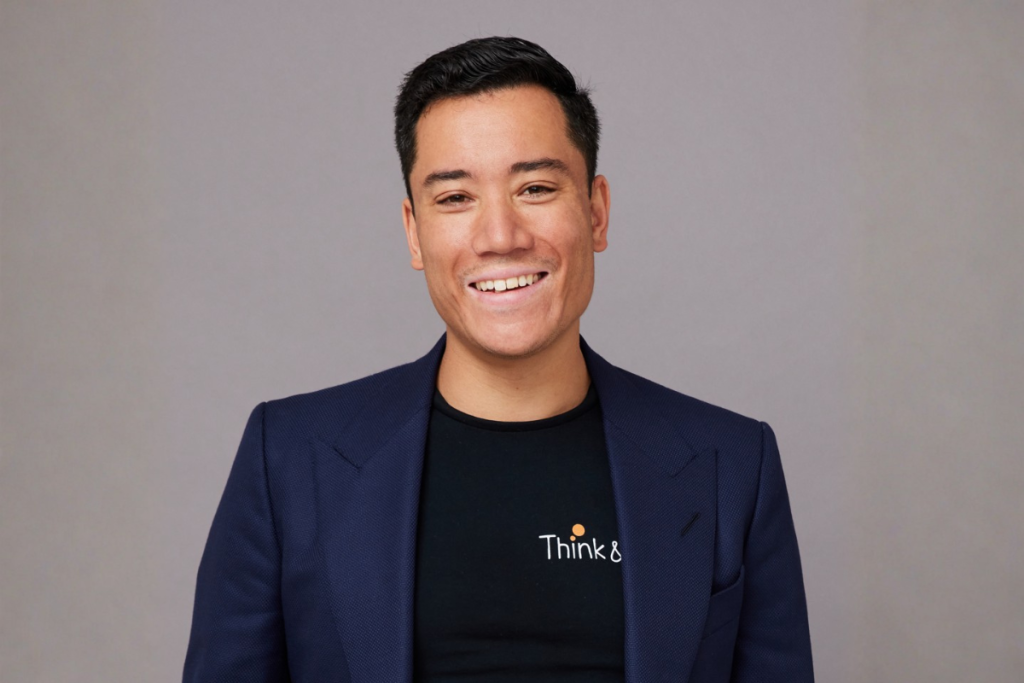
Anthony Sochan, co-founder of Think & Grow / Photo credit: Think & Grow
Think & Grow is a firm that helps technology companies grow their teams and business. Its co-founder, Anthony Sochan, argues that many startups have weak management systems, where boards just approve decisions without meaningful discussion. This lack of review leaves founders at risk of business problems and hides risks from their investors.
To address this gap, Think & Grow focuses on carefully building a company’s leadership and advisory teams. Sochan believes close supervision is needed for a company to survive. By having a board with outside members who have the right experience, teams can manage growth without falling into common traps.
The cost of inactive boards
Startup leaders often focus on making products and hitting growth targets, but ignore how well their board members are doing. This leads to a board that doesn’t change and offers no real advice or oversight.
“Rarely is a board held to account,” Sochan observes. “Rarely is a chairman of a board actually turning over the board and thinking who was right this year and then who’s not going to be right for next year.”
When directors are not involved in important decisions, they cannot spot business problems early. Sochan explains that this lack of involvement causes management to fail, as board members who are not involved miss important details.
In many cases, inactivity is compounded by another issue: the wrong kind of experience at the board level.
Dealing with the wrong experience
Placing executives from big, old companies onto a new startup’s board can cause problems. They often create slow procedures when the company needs to move fast and solve problems.
“Look at the background of a lot of the people that have been on some of these boards,” Sochan says. He notes that many have extensive experience building corporates but no direct experience with high-growth ventures.
Additionally, they don’t understand what founders go through. Sochan adds that managers who have always worked for others don’t understand the pressure founders are under, while experienced entrepreneurs are not yet taking board positions.
Matching founder and investor goals
While business problems are hard, it’s worse when a founder’s goals don’t match an investor’s money-making goals. VC firms have to answer to the people who gave them money, not to the startup’s success over time.
“If we think about what an investor’s mandate is,” Sochan argues, “it’s actually not really to have the company’s best interests at heart… their mandate is to effectively return money to LPs [Limited Partners].”
This means unrealistic deadlines can control the company’s plan. A VC firm that needs to close its fund may push founders to sell the company too early or make a risky move just to finish its accounting, even if the company could be worth more later.
Building an independent board
A plan for hiring to solve problems





Stay updated on the go with our mobile app.
Get latest insights with smoother, more personalized experience through TIA mobile app.