 Paul Bischoff · · 8 min read
Oppo R5 is one of the world’s thinnest smartphones, but makes compromises to stay slim (REVIEW)
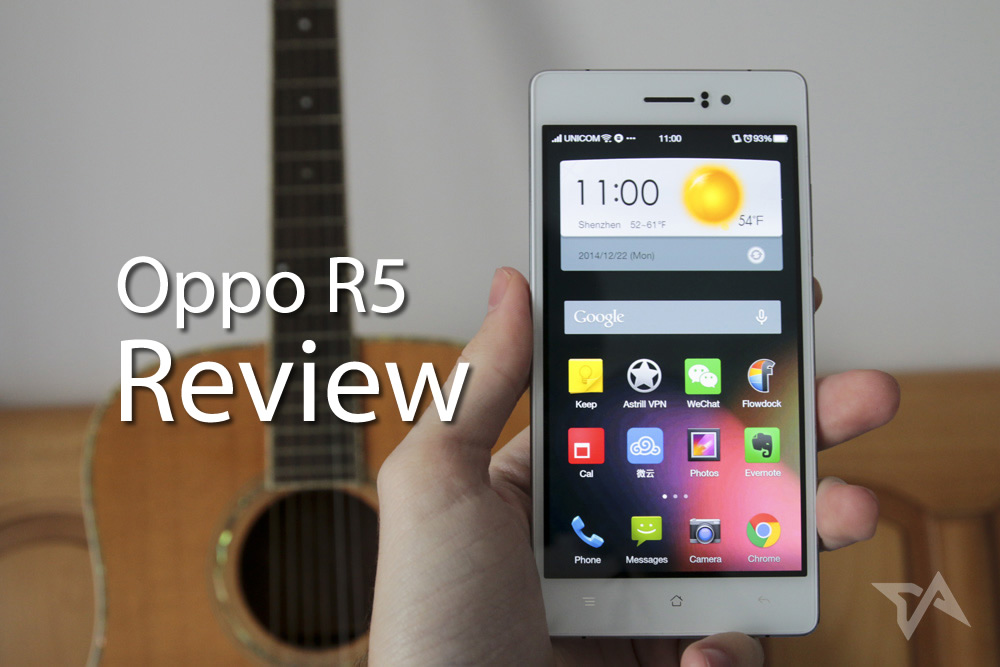
Is excellent form factor enough to sell a phone these days? Oppo is counting on a number of people thinking that way with its ultra-thin R5 model. The R5 is just 4.85mm thick compared to a Galaxy S5’s 8.1mm girth and the iPhone 6 Plus’ 7.1mm waistline.
That’s pretty impressive, but whether the Oppo R5 stands up to the competition as a whole is another story. Because it wasn’t released until October this year, several major flagship phones have already been on the market for several months. That means their prices have dropped to the point that they’re now in the same price range as the mid-tier R5.
Here’s a brief spec comparison:
As you can see, had the R5 been released when those other phones were still priced in the above-US$600 range, it would have been a steal. But now its small frame is getting knocked around by the heavyweights.
Hardware and performance
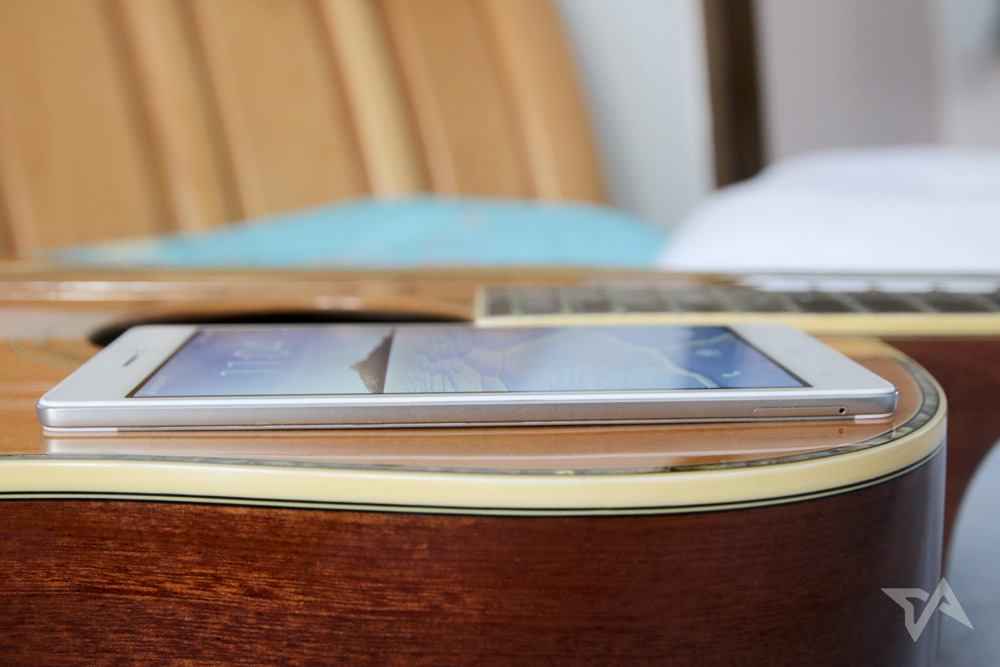
It’s not that the Oppo R5 can’t hold its own in a fight. Qualcomm’s octa-core processor ensures everything runs smoothly with minimal heat buildup, including 3D games and shooting video, even though it’s not exactly a powerhouse. The 1080 x 1920 pixel display is sharp and vibrant even in bright sunlight. Very rarely do apps crash or freeze, and the OS only occasionally lags.
But a phone of this size does come with its drawbacks. The biggest is the non-removable battery, which had to be compromised to keep the phone slender. At just 2,000mAh, it’s a noticeable weak point. It usually lasted me all day, but those who play games or watch a lot of video will have to pack a charger. The same goes if you’re using mobile data instead of wifi.
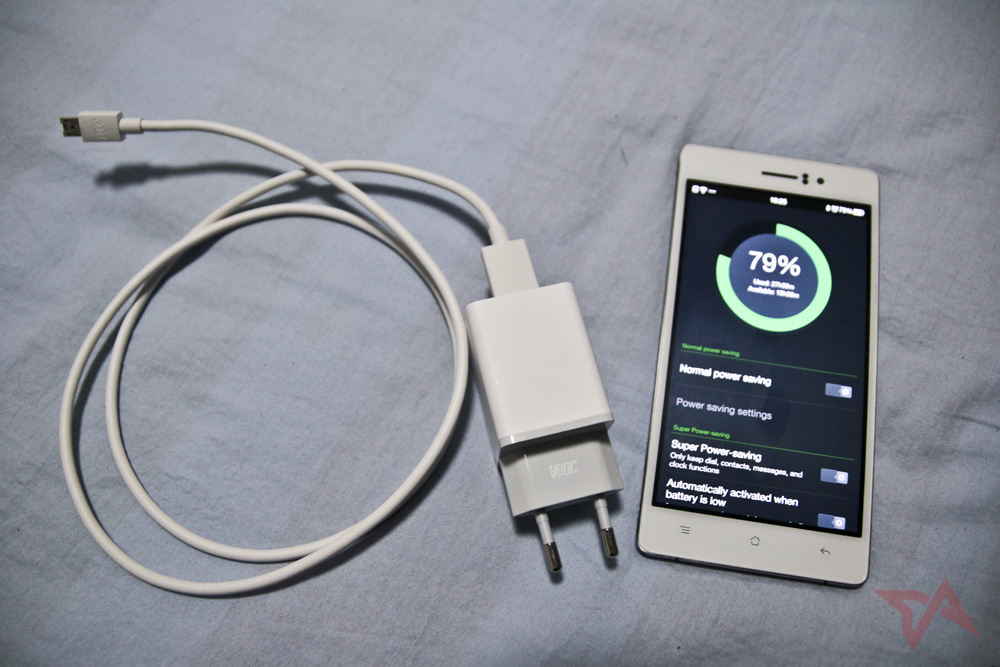
The phone does come with Oppo’s VOOC charger, which will get the phone from zero to 80 percent charge in just 30 minutes. Five minutes on the charger will be enough to last you two hours. The problem with that, however, is that the accompanying charger required to do this is huge compared to the average microUSB plug, somewhat defeating the purpose of buying a phone for its petite size if you have to lug around the extras all day.
Oppo also couldn’t manage to squeeze in a headphone jack, instead opting for an adapter that plugs into the microUSB charging port.





Stay updated on the go with our mobile app.
Get latest insights with smoother, more personalized experience through TIA mobile app.









📅 Upcoming Events
22 October 2026
Payoneer x CSPN Summit 2026