- Insights This article was written by a TIA community member. Insights pieces undergo the same rigorous editorial process that newsroom-produced articles have.
 Tim Romero · · 5 min read
How a startup is using telemedicine to disrupt the healthcare industry
This article is from an episode on Disrupting Japan. This is heavily revised from the original show transcript. For the full interview, go here.
The medical industry is one of the hardest sectors to disrupt. In some ways, it’s a good thing because it literally involves experimenting with people’s lives. It’s reasonable to be conservative and take things slow.
But looking at the national health insurance system in Japan and the health systems of all developed nations, it’s pretty obvious that improvements must be made.
Kenichi Ishii is the founder of Next Innovation. His company’s long-term strategy involves increasing the use and acceptance of telemedicine in Japan. It developed an approach that has reduced the cost of some medical treatments by more than 70 percent.
Ishii and I talked about two kinds of patients: cost-based and value-based. The former are those who see medical treatment as a means to an end, and they want it done simply, cheaply, and quickly. The latter refer to those who want to be involved, either because of an interest in the treatment or for other social reasons.
Ishii explained why this difference is important and shared his thoughts on telemedicine’s future.
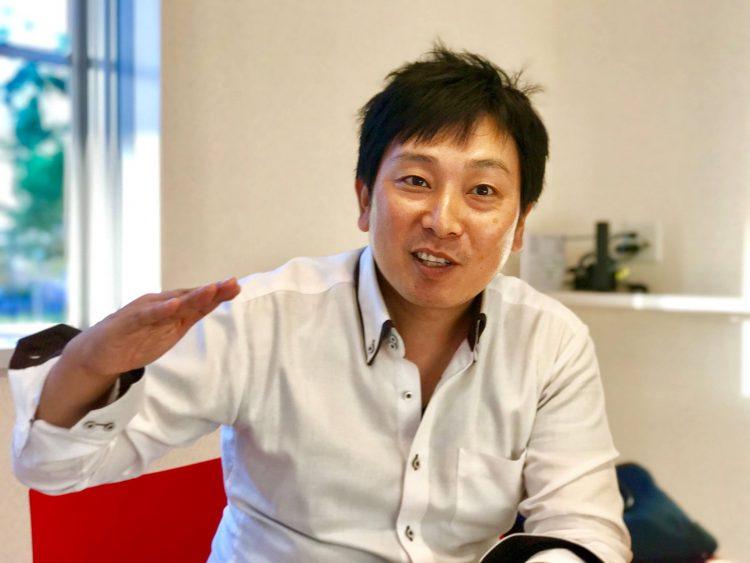
Kenichi Ishii, founder of Next Innovation
Can you briefly explain what Next Innovation does?
We have three unique points. The first one is our use of text-based communication for consultations.
The second one is we don’t rely on Japanese insurance systems or the national healthcare system, which makes it easier for us to go global. We basically provide online consultation for things like flu shots, erectile dysfunction drugs, hair loss, hay fever, and cat allergies.
The third one is we eliminate the pharmacist’s fee – a requirement of the Japanese insurance system. We deliver the drugs from the clinics to the patients’ homes instead, but we only use generic medicines.
Our target is to let people buy prescription drugs without having to go to the clinic.
Tell us about your background and why you wanted to build a startup.
I was working in pharmaceutical companies from 2001 to 2013 before I became an entrepreneur. I think the industry has great companies, but they’re being limited due to regulations. Medical players are slow to change, and it’s very frustrating. So I wanted to make a change.





Stay updated on the go with our mobile app.
Get latest insights with smoother, more personalized experience through TIA mobile app.







📅 Upcoming Events
22 October 2026
Payoneer x CSPN Summit 2026