Jane Zhang · · 7 min read
China’s Singles’ Day offers new shopping trends as buyers embrace livestreaming
This article is co-written by Sarah Dai and Coco Feng.
He Hai opens more than a thousand clams in front of the camera every day. As the owner of an online jewelry shop on Taobao, he showcases fresh pearls for his customers who watch the livestreaming and place orders right away.
Growth in livestreaming shopping now contributes 80% of revenue at his UU Pearl store. On the day of the Double 11 shopping festival, the store generated 100,000 yuan (US$14,289) in sales, mostly from livestreaming, three times the normal daily volume.
Having dived into the new form of ecommerce two years ago, He said it enabled merchants to introduce products in a more accurate, detailed, and interactive way. His store has three people who take turns to live broadcast for 16 hours a day, the maximum stipulated by Taobao. “If not for the rules, we would definitely do it 24/7,” said He, who is 23.
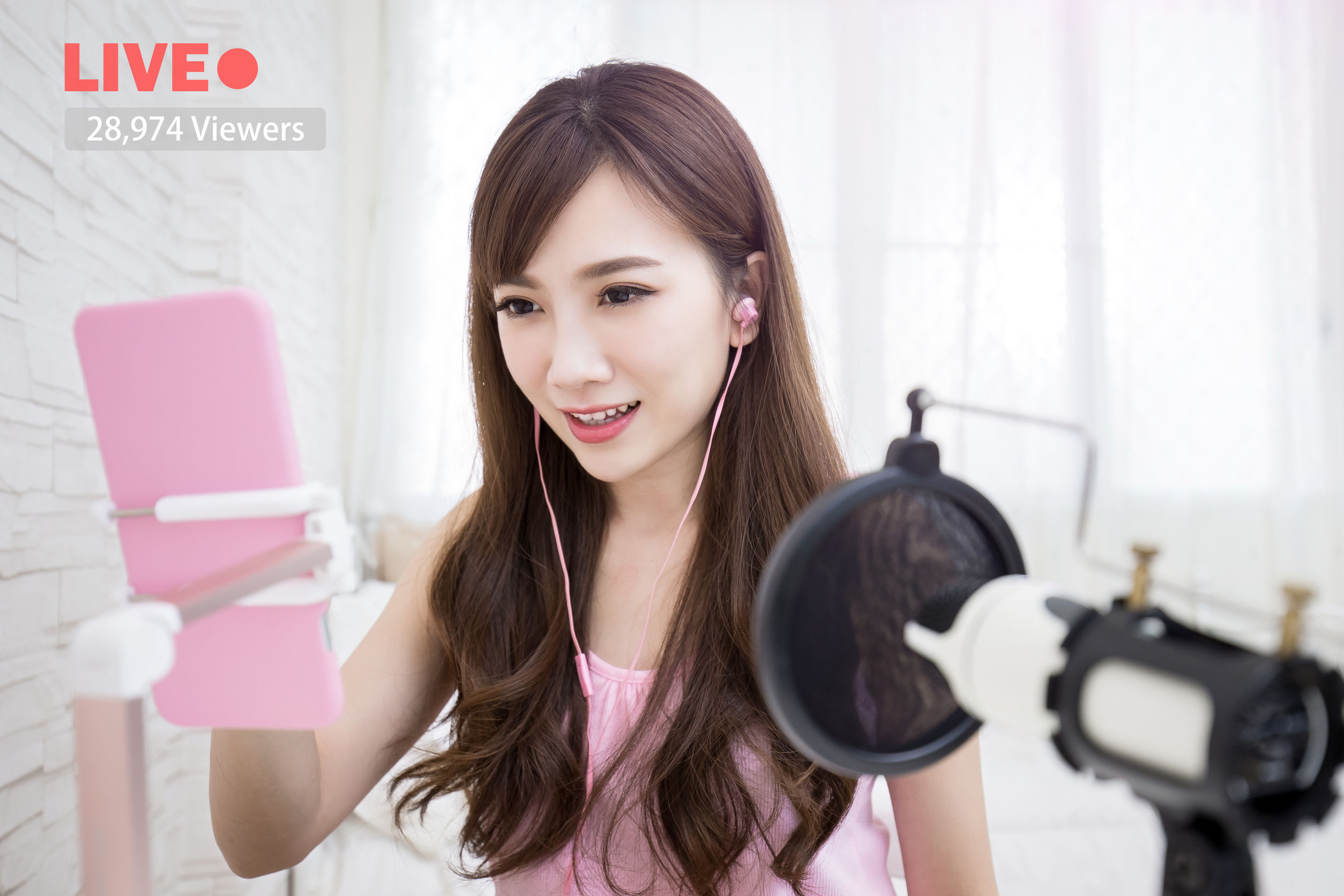
Photo credit: Shao-Chun Wang / 123RF
UU Pearl’s success on Singles’ Day points to the rising importance of livestreaming as a channel for sales. Of Alibaba’s 268.4 billion yuan (US$38.4 billion) single-day transactions on Monday, nearly 20 billion yuan, or 7.5% of total sales, came from livestreaming.
Alibaba is the owner of the South China Morning Post.
“Livestreaming is popular as it plays on the long popular theme of TV shopping, but in a much more interactive and entertaining way,” said Mark Tanner, founder and managing director of Shanghai-based consultancy China Skinny.
“The simple one-click purchase taps into Chinese consumers’ love of convenience, shopping, and entertainment, amplified by the KOL [key opinion leaders] factor,” he said.
Working in the property industry, 27-year-old Zhang Jing spent about 5,000 yuan (US$713) to 6,000 yuan (US$855) on this year’s Singles’ Day. She bought some makeup, skincare products, and food – which she plans on using until the middle of next year.
She watched Taobao livestreaming at least once a week since the middle of 2018.
“It’s cheaper than if you had directly bought from the Tmall store. Influencers have corporations with brands so they will offer a cheaper price or give more free gifts if you buy through livestreaming,” Zhang said. “It also helps you to figure out how to calculate the discount. Taobao is too big now and some of the discount rules are very complex.”
But she admitted that livestreaming also has a bad side, such as encouraging impulse buying.
“When I’m watching livestreaming, it makes me feel excited and I purchase a lot. The next day, I open my purchase history and realize there are some items I do not actually need, so I return the items. It happens often,” Zhang said.





Stay updated on the go with our mobile app.
Get latest insights with smoother, more personalized experience through TIA mobile app.