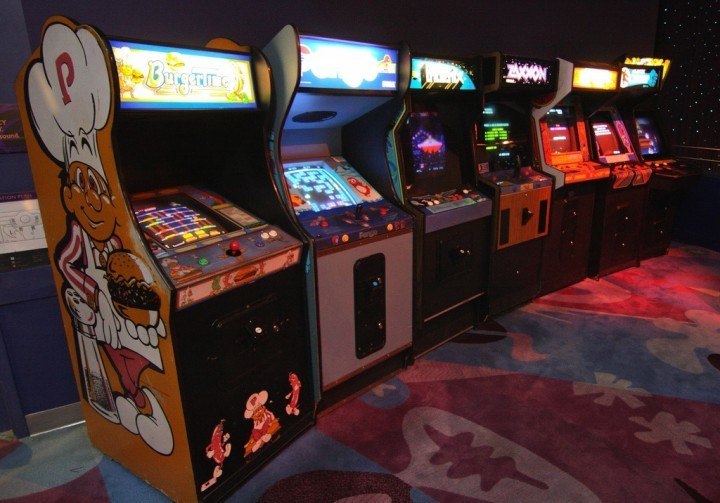
Photo by Sam Howzit
Get your tokens ready, people. The arcade is coming back.
I realize that in the era of affordable PCs and even-more-affordable mobile gaming, that sounds like an insane statement, but hear me out.
Let’s go back in time…
First, we need to talk about why arcades (and internet cafes, which are similar phenomena) existed in the first place. In the early 1980s, buying a video game was expensive. That was important because the primary market for video games at the time was children, who don’t tend to have a lot of disposable income. In 1980, if you wanted to play a video game, you could try to convince your parents to spend hundreds of dollars on an Atari 2600 (if it was even available in your country at all) or you could find some pocket change and go to the arcade.
It was, in a sense, the “shared economy” (which for some reason people now think Uber invented) in action. For most video gamers, it wasn’t financially practical or even always possible to have a video gaming setup at home. So arcades sprung up to offer gamers pay-per-use and subscription-based gaming models. This allowed millions and millions of people who were interested in video games to access that technology without the need for massive upfront investment.

Time travel!
OK, we’re back
Fast-forward to the present. Let’s talk about virtual reality.
2016 will be the year that high-end virtual reality tech finally hits consumers. The Oculus Rift and the HTC Vive will both start shipping their first-gen consumer models soon, and by June of this year VR tech is going to be in households across the world.
It’s not going to be in very many households, though, because it’s ridiculously expensive. The Oculus Rift, for example, costs US$600, and that’s before you factor in the costs of a high-end PC needed to use it. The Rift’s minimum requirement for graphics card alone will run you another US$350. HTC hasn’t announced the price of the Vive yet, but it’s widely expected to cost even more. The PlayStation VR could be cheaper, but of course, to use that you’ll need to already own a PS4, and those aren’t cheap either.
In Asia especially, those costs are going to make VR tech a very tough sell. Even hardcore gaming enthusiasts in a country like China don’t typically have a home PC that’s anywhere close to ready for the Rift and its compatriots. And most gaming enthusiasts, even those excited about VR, are going to balk at the idea of putting thousands into a VR headset and VR-ready PC when they don’t have any real experience with the technology. That expensive VR setup will be a real bummer if you find out that using it for more than 20 minutes at a time gives you a headache.
So, with VR, we have a cool technology that has an extremely high early-adopter cost and a ton of people interested in the medium but very few who’ve actually experienced it. What’s the solution?
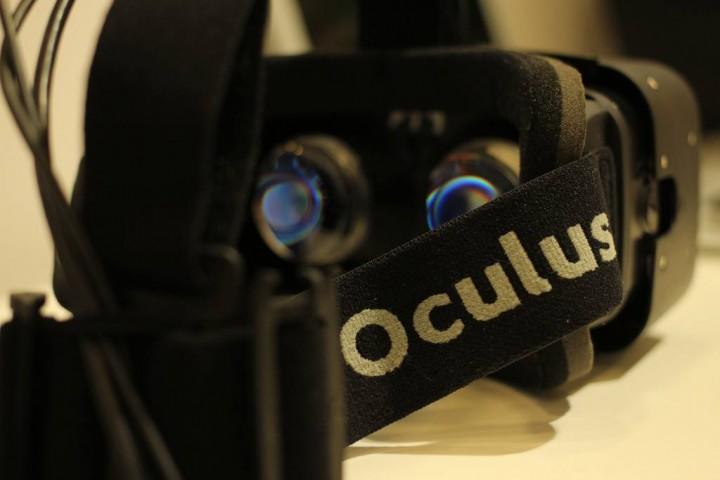
Photo by Maurizio Pesce
VR arcades





Stay updated on the go with our mobile app.
Get latest insights with smoother, more personalized experience through TIA mobile app.